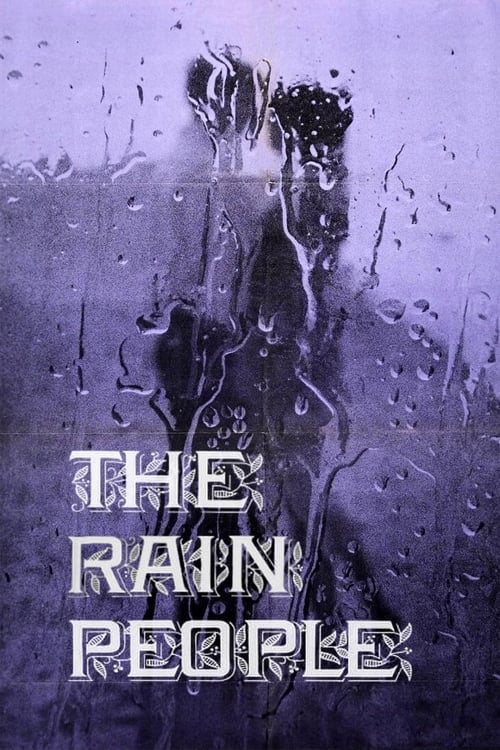
The Rain People
1969
No user ratings available yet
Representation score: 5.7 out of 10

Representation Score
Fair
1968
RDirector
John Korty
Runtime
87 minutes
Average Rating
No ratings yetNew Showbiz Analysis
Riverrun captures the tension between traditional social structures and the emerging counter-culture of the late 1960s. It serves as a transitional film that examines the shift from institutionalized city life to rural autonomy. The film's strength lies in its subtle critique of modern institutionalism. By focusing on a couple's desire for a natural lifestyle, it challenges conventional domestic hierarchies and the authority of traditional medical models. However, the film lacks overt representation of diverse racial, ethnic, or LGBTQ+ identities, limiting its scope to a specific demographic.
Category Breakdown
The film focuses on a heterosexual couple and does not include any LGBTQ+ characters. This reflects the limited representation of LGBTQ+ individuals in the social context of the late 1960s.
The story emphasizes natural childbirth and the father's supportive role, shifting the focus away from traditional patriarchal medical models. This highlights the couple’s autonomy over their bodies and choices.
The narrative centers on a couple moving to a rural area, implying a homogeneous social environment. There is no indication of a diverse cast of characters.
The film prioritizes a natural and secular lifestyle over urban political issues. It explores parenthood outside of traditional religious or state-sanctioned frameworks.
There is no evidence of characters with visible or invisible disabilities in the narrative.
Present on Screen
Limited or Absent
Official Synopsis
A young unmarried couple leave the politically turbulent Berkeley behind for a life in the country. Finding a place in sheep country, the couple awaits the birth of their first child as they revel in bucolic splendor. The tensions of city life are left behind as things progress towards the anticipated due date. The couple wishes to have a natural childbirth and are comforted that the expectant father is a pre-med student with some knowledge of the upcoming situation. Things go along smoothly until the expectant mother’s father returns after years of being a sailor.
1969

1961

1969

1953
1964

1950

1985

1960
No reviews yet. Be the first to share your thoughts on this movie!
Use the rating form above to leave a star rating and optional review.