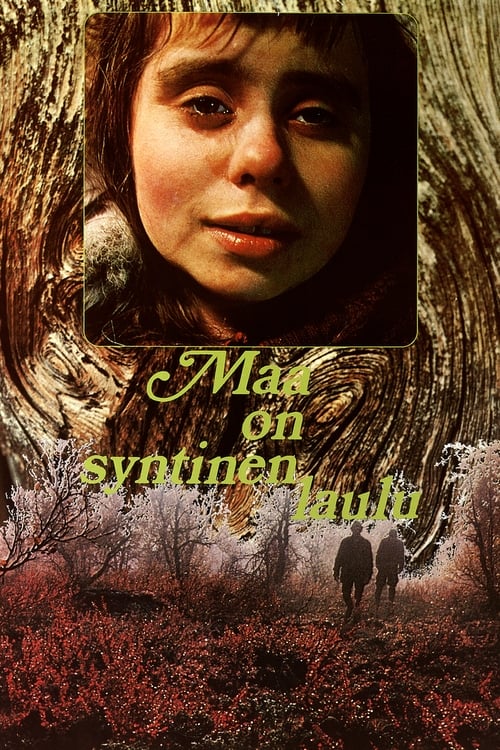
The Earth Is a Sinful Song
1973
No user ratings available yet
Diversity score: 5.1 out of 10

1980
Director
Rauni Mollberg
Runtime
110 minutes
Average Rating
No ratings yetSynopsis
Based on a novel by the late Finnish writer Timo Mukka, this simple story focuses on what happens when Milka (Irma Huntus), a girl barely out of childhood, gets pregnant by Ojanen (Matti Turunen) a rustic fieldhand. Her own mother had been hoping to marry Ojanen, and her daughter's pregnancy turns their lives around. Set in the Lapp country of northern Finland, the scenery is breathtaking, made even more so by the isolation of the region. A sense of natural solitude is underscored by a slow-moving dialogue interspersed with long silences, and the connection between nature and the dialogue is underscored as the young Milka recites poetry while out in the countryside. The fate of Milka and her mother, however, is connected to the decision that Ojanen makes at the end.
Overall Score
Fair
Category Breakdown
LGBTQ+ Representation
The narrative lacks LGBTQ+ characters or non-heteronormative identities. The central conflict revolves around a heterosexual pregnancy, with no evidence of queer subtext.
Gender Representation
The film centers on female agency and the social consequences of pregnancy. It subverts traditional domestic hierarchies by placing the mother and daughter's experiences at the core.
Racial & Ethnic Diversity
Set in Lapland, the film explores a specific northern landscape. However, it lacks evidence of multi-ethnic casting or prominent indigenous Sámi representation.
Religious & Cultural Diversity
The story challenges traditional family sanctity through its depiction of unplanned pregnancy. It prioritizes existential truth and situational ethics over rigid communal or religious morality.
Disability Representation
There is no discernible evidence regarding the portrayal of physical or neurodivergent disabilities within the film.
Strengths
Areas for Improvement
AI Analysis
Milka is a naturalist drama that prioritizes raw human experience over polished social structures. It succeeds in deconstructing traditional domestic stability by focusing on the visceral realities of female biological and social life. While the film lacks modern identity-based representation, such as LGBTQ+ or multi-ethnic casting, it offers a progressive look at subjective morality. The narrative shifts focus away from patriarchal leadership toward the complexities of individual agency. Ultimately, the film's strength lies in its rejection of idealized social norms, opting instead for a rugged, situational reality set against the isolation of northern Finland.
1973

1988
1957

2010
1978

2002

2013

2017
2002

2022
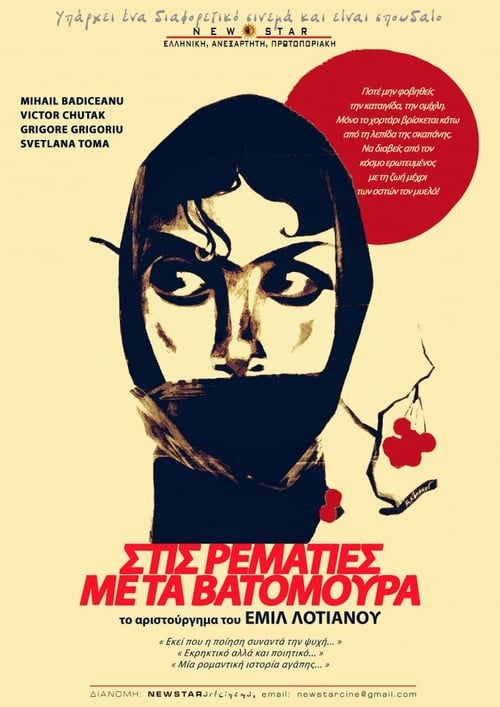
1967

1996
No reviews yet. Be the first to share your thoughts on this movie!
Use the rating form above to leave a star rating and optional review.