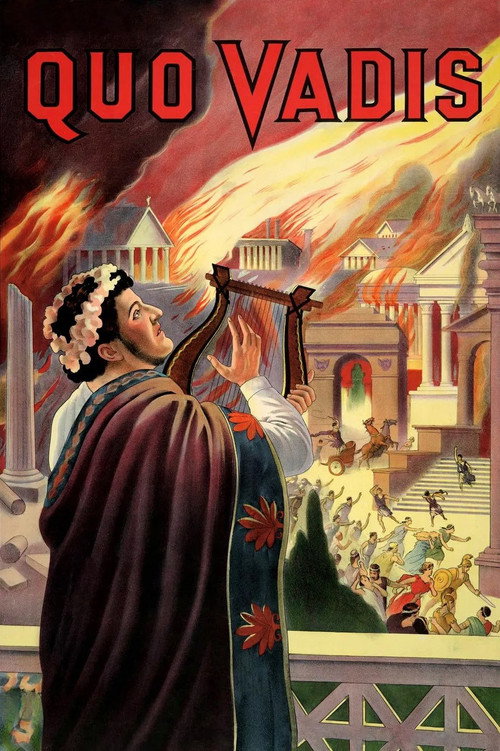
Quo Vadis?
1913
No user ratings available yet
Representation score: 2.1 out of 10
Representation Score
Minimal
1924
Not RatedDirector
Gabriellino D'Annunzio, Georg Jacoby
Runtime
137 minutes
Average Rating
No ratings yetNew Showbiz Analysis
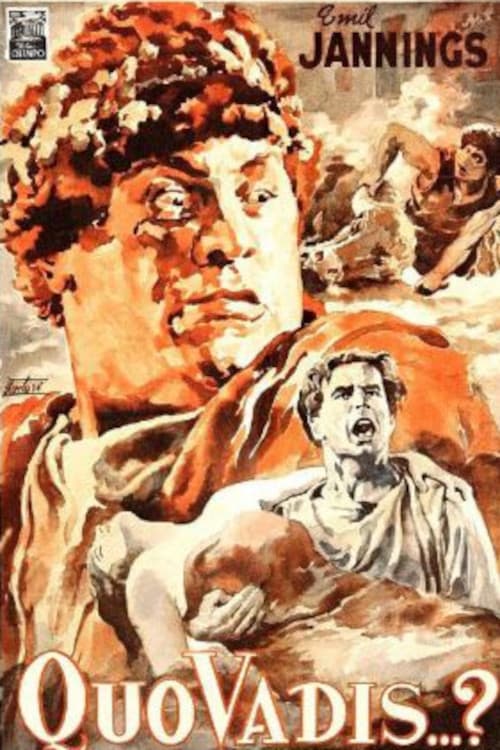
Quo Vadis? (1924) is a historical epic reflecting the casting and social norms of its time. It lacks modern representation of diverse identities, particularly in terms of race, sexuality, and disability. However, the film offers a sophisticated critique of centralized imperial authority, depicting the Roman state as decadent and tyrannical. This narrative explores the tension between systemic oppression and personal conviction. While the story provides a nuanced view of power dynamics, its homogeneous casting and traditional gender roles limit its progressive impact.
Category Breakdown
The film does not include any queer narratives or non-straight identities. Relationships are limited to heterosexual pairings.
Female characters such as Lygia have moral decision-making abilities but are often portrayed in contrast to decadence. Power structures remain dominated by men.
The casting is uniform, with a predominantly white European cast. There is no diversity in ethnic representation within the imperial or religious hierarchies.
The story criticizes the Roman Empire as a site of systemic cruelty and moral decay. It portrays the state as an oppressive force against persecuted Christians.
There are no characters with visible or invisible disabilities in the narrative.
Present on Screen
Limited or Absent
Official Synopsis
"The Roman Banquet, the golden glories, the unrivaled luxuries, the wine, the dance, the song, the beautiful women, the sumptuous splendors that taxed a barbaric world for a night of feasting and revel-- Re-created for your entertainment in the most colossal drama produced", reads an ad in the Daily Argus of New York. Unione Cinematografica Italiana's lavish production of the oft-told tale stars Emil Jannings as Nero.
1913

1951

1909
1914

1924

1927

1927

1936
No reviews yet. Be the first to share your thoughts on this movie!
Use the rating form above to leave a star rating and optional review.