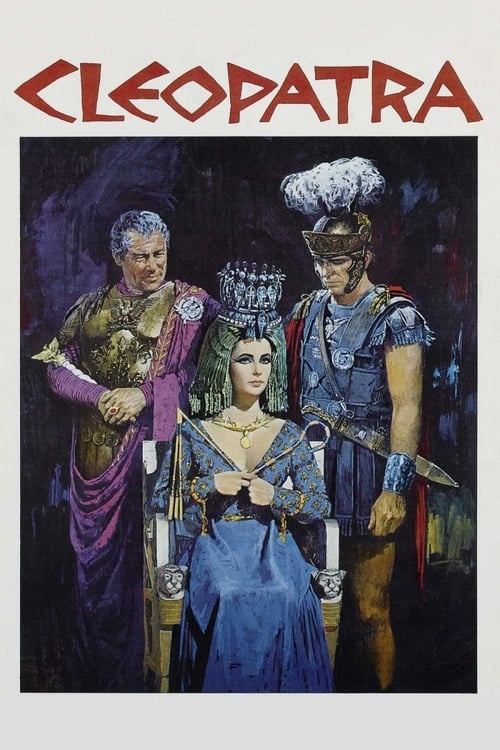
Cleopatra
1963
No user ratings available yet
Representation score: 2.9 out of 10

Representation Score
Limited
1951
NRDirector
Mervyn LeRoy
Runtime
174 minutes
Average Rating
No ratings yetNew Showbiz Analysis
Quo Vadis is a historical epic that finds its strength in its critique of institutional corruption. By positioning the Roman state as a tyrannical antagonist, the film elevates the perspective of a underrepresented religious group over the imperial hegemony. However, the film remains tethered to the social norms of its era. It relies on traditional gender archetypes and lacks any representation of LGBTQ+ identities or disability, maintaining a narrow focus on straight-centered romance and physical perfection. Ultimately, the film's diversity is found in its cultural subversion rather than its character demographics. It challenges the celebration of imperial might, even while adhering to conventional gender and sexual hierarchies.
Category Breakdown
The film operates within a strictly straight-centered framework. The central romance focuses solely on the heterosexual relationship between Marcus Vinicius and Lygia, with no representation of LGBTQ+ identities or non-cisgender gender expressions.
Female characters are often divided between the archetype of spiritual purity and sexualized court intrigue. While Nero challenges traditional masculine leadership through his instability, female characters remain confined within rigid gender roles.
The film acknowledges the multi-ethnic reality of the Mediterranean through a diverse cast. Despite being shaped by 1950s Hollywood standards, it avoids a purely homogeneous depiction of the Roman Empire.
The narrative centers on a persecuted religious minority resisting a corrupt imperial establishment. This framing critiques centralized, absolute power by positioning the underrepresented Christian community as the moral center.
There are no prominent depictions of physical or neurodivergent disabilities. No characters utilize such traits as meaningful drivers of ability to act or central narrative elements.
Present on Screen
Limited or Absent
Official Synopsis
After fierce Roman commander Marcus Vinicius becomes infatuated with beautiful Christian hostage Lygia, he begins to question the tyrannical leadership of the despotic emperor Nero.
1963
1969

1970

1953
1979

1934

2001

1934
No reviews yet. Be the first to share your thoughts on this movie!
Use the rating form above to leave a star rating and optional review.