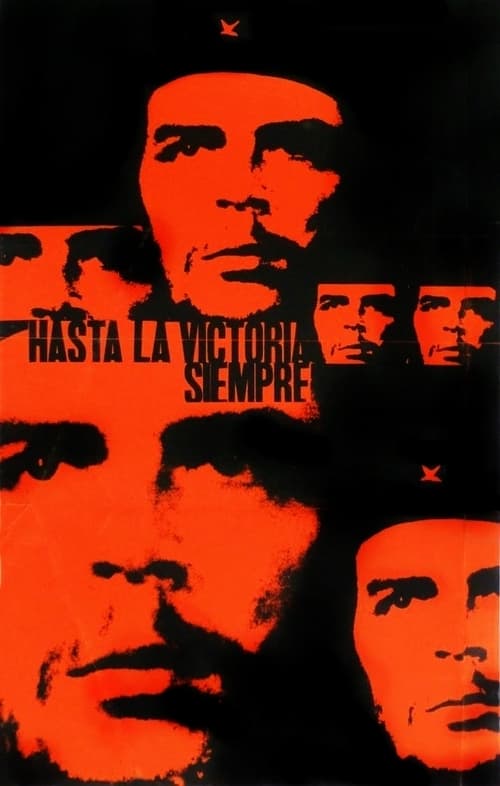
Hasta la Victoria Siempre
1967
No user ratings available yet
Representation score: 3.3 out of 10
Representation Score
Fair
2010
Director
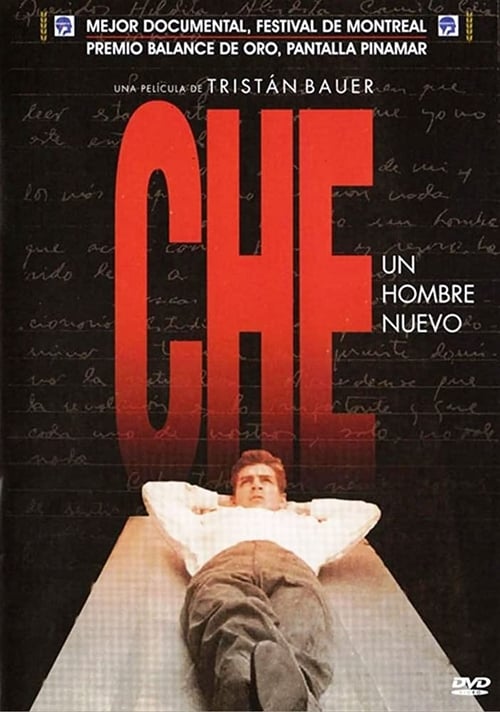
Tristán Bauer
Runtime
124 minutes
Average Rating
No ratings yetNew Showbiz Analysis
Tristán Bauer’s documentary succeeds in deconstructing the myth of Che Guevara by utilizing rare, intimate archival footage. By moving away from traditional hagiography, the film presents a more humanized, complex figure. It effectively shifts the perspective from a distant icon to a personal actor within a larger historical movement. However, the film is constrained by the era it depicts. The narrative remains largely oriented toward straight and cisgender relationships and patriarchal structures, reflecting the social structures of the mid-20th century. While it humanizes the subject through domestic scenes, it does not expand into broader social identity critiques. The film's greatest achievement is its post-colonialist framework. It successfully centers Latin American ability to act and challenges Western-centric historical accounts, making it a vital document for understanding regional sovereignty and systemic resistance.
Category Breakdown
The film focuses on the historical biography of Ernesto Guevara and his documented relationships. It does not include narratives centered on non-straight or non-cisgender identities or critiques of the assumption that everyone is straight or cisgender.
The narrative centers on male-driven political and military movements. While intimate footage of Guevara and his wife humanizes the subject, women largely occupy supportive or relational roles.
The documentary excels by centering Latin American identity and the ability to act of the Global South. It prioritizes non-Anglo-Saxon perspectives by focusing on the Cuban Revolution and regional struggles.
Deeply rooted in post-colonial critique, the film explores resistance against Western dominance. It uses personal writings and poetry to frame Guevara's ideological commitment as a pursuit of justice.
There is no significant evidence regarding the portrayal of visible or invisible disabilities. The film focuses on political and personal biography rather than disability narratives.
Present on Screen
Limited or Absent
Official Synopsis
The latest documentary by Tristan Bauer took 12 years to complete. It is a unique and invaluable historical document—a jewel not to be missed—that offers us a different, more intimate and personal, perspective on the life of Ernesto Che Guevara than other films about him that have emerged recently. Presenting brilliantly edited archival material, including private documents and intimate recordings that have never been made available to the public before (including recordings of Che reading poems by Vallejo and Neruda to his wife, intimate family gatherings on 8mm, a speech given by Che in French), Bauer allows us to see the iconic figure as a hero but also as the larger-than-life passionate and idealistic human being that he was.
1967
2017
1994
2015
2017
2004
2008

2019
No reviews yet. Be the first to share your thoughts on this movie!
Use the rating form above to leave a star rating and optional review.