Black Panthers
1968
No user ratings available yet
Representation score: 4.5 out of 10
Representation Score
Limited
1971
Not RatedDirector
Howard Alk
Runtime
88 minutes
Average Rating
No ratings yetNew Showbiz Analysis
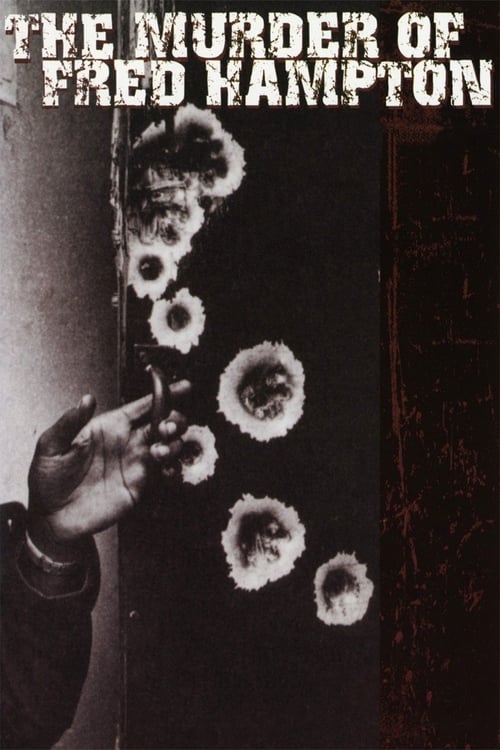
The Murder of Fred Hampton is a powerful piece of radical documentary realism that centers Black revolutionary ability to act. It succeeds by dismantling traditional historical narratives and providing a systemic critique of state power and institutional corruption. However, the film is limited by the specific gendered landscape of 1960s politics. The focus remains heavily on male leadership, and the absence of LGBTQ+ narratives or disability representation prevents a higher diversity score. Ultimately, the film's strength lies in its cultural and racial depth, offering a vital perspective on underrepresented communities fighting against systemic oppression.
Category Breakdown
The documentary focuses on the political and communal structures of the Black Panther Party. There is no explicit depiction of non-binary gender identities or LGBTQ+ specific narratives.
The narrative centers on the male-dominated political leadership of the era. While women played roles in social programs, the primary focus remains on male figures.
The film provides an exceptional centering of Black leadership and ability to act. It disrupts Anglo-centric historical narratives by documenting the intellectual depth and organizational sophistication of the Black Panther Party.
The film functions as a profound critique of Western institutional power and capitalism. It portrays state institutions as tools of oppression while highlighting community-driven social safety nets.
There is no significant or intentional focus on disability representation or neurodivergence within the archival footage or subject matter.
Present on Screen
Limited or Absent
Official Synopsis
Fred Hampton was the leader of the Illinois Chapter of the Black Panther Party. This film depicts his brutal murder by the Chicago police and its subsequent investigation, but also documents his activities in organizing the Chapter, his public speeches, and the programs he founded for children during the last eighteen months of his life.
1968
1984
2012

2017
1970
2013
2015
2012
No reviews yet. Be the first to share your thoughts on this movie!
Use the rating form above to leave a star rating and optional review.