The Working Class Goes to Heaven
1971
No user ratings available yet
Representation score: 4.8 out of 10
Representation Score
Good
1976
Director
Nelson Xavier, Ruy Guerra
Runtime
106 minutes
Average Rating
No ratings yetNew Showbiz Analysis
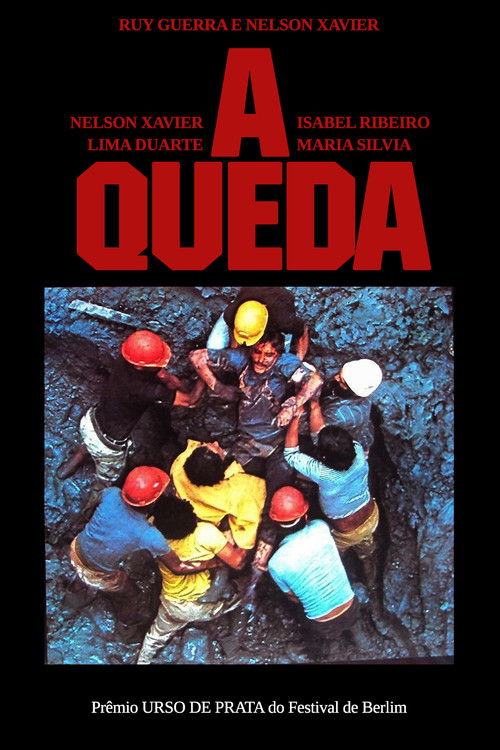
The Fall is a sophisticated social realism film that prioritizes systemic critique over individual identity politics. Its strongest points lie in its authentic racial and cultural representation, which challenges Eurocentric norms and highlights the lived experiences of historically underrepresented communities. However, the film's emphasis on material conditions and labor relations means it scores lower in LGBTQ+ and disability representation. These elements are secondary to the broader socio-political struggle or serve as narrative devices. Overall, the film's strength is its deconstruction of state and capitalist hierarchies, making it a crucial piece of post-colonial cinema despite its narrower focus on specific identity categories.
Category Breakdown
The film focuses more on class struggle and labor relations than on LGBTQ+ identities. There are no prominent LGBTQ+ characters or non-traditional gender identities.
Gender roles are shown through traditional labor and domestic duties. The film looks at gendered labor through systemic oppression rather than challenging gender hierarchies through individual characters.
The film stands out by featuring a predominantly Black and mixed-race cast. This choice challenges Eurocentric norms and highlights the lived experiences of historically underrepresented communities.
The narrative critiques capitalist institutions and military modernization from a post-colonial perspective. It portrays workers' struggles as a rebellion against oppressive socio-economic systems.
Disability is primarily used as a plot device following a construction site accident. The film focuses on the systemic consequences rather than exploring disability as a nuanced identity or character's ability to drive the story.
Present on Screen
Limited or Absent
Official Synopsis
An accident at a construction site, resulting in one death, sets one worker off on a struggle for justice that exposes the mechanisms of exploitation and the class relations of a country that had undergone one decade of fast-paced ‘conservative modernisation’ at the hands of the military. As a sort of sequel to the classic The Guns (1964), following the fate of those characters as they move from enforcers of exploitation to exploited, it offers more than a snapshot of the period: the correspondent time lapses in fiction and reality capture the passage of a chunk of Brazilian history between the two films, and, therefore, also the transformations in cinematographic approaches to the social and political between the two moments. Equally daring in content and form, and in the originality of the adequacy of one to the other, it won the Silver Bear at Berlin.
1971

1967
1970
1954
1968
1936

2013
1998
No reviews yet. Be the first to share your thoughts on this movie!
Use the rating form above to leave a star rating and optional review.