
Everything Else
2016
No user ratings available yet
Representation score: 8.0 out of 10
Representation Score
Excellent
1998
PG-13Director
Fernando E. Solanas
Runtime
120 minutes
Average Rating
No ratings yetNew Showbiz Analysis
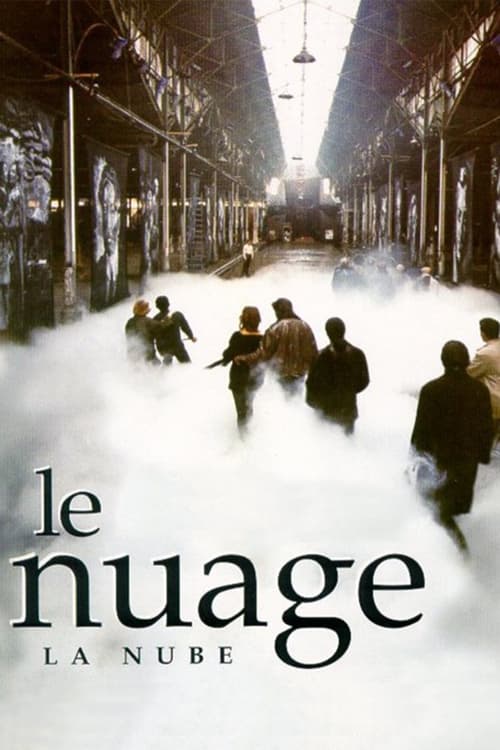
The Cloud is a sophisticated political critique that emphasizes systemic issues over individual success. By highlighting the conflict between underrepresented citizens and an oppressive state, the film avoids idealized representations of society. Its strength lies in using character arcs to illustrate broader social problems. For example, the aging Max and the migrant Fulo help to highlight societal instability. However, the film's focus on socioeconomic and age-related themes means there is limited explicit representation of LGBTQ+ identities or specific disabilities.
Category Breakdown
The film centers on socioeconomic issues and personal relationships without explicitly addressing LGBTQ+ themes or non-cisgender identities.
Fulo stands out as a powerful female character with her own professional and maternal roles. The film also challenges traditional masculinity by showing Max's vulnerability.
Set in South America, the film examines identity through the lens of historical colonization. It highlights a Brazilian dancer in Buenos Aires to showcase a meaningful cultural exchange across borders.
The narrative criticizes Western institutions and state corruption. It portrays the government and police as obstacles that betray the citizens they are supposed to protect.
While there are no specific physical disabilities highlighted, the film addresses the exclusion of the elderly. Characters like Enrique face a world that is structurally unsupportive of older individuals.
Present on Screen
Limited or Absent
Official Synopsis
A black cloud brings 1600 days of rain to Buenos Aires, while traffic and pedestrians move backwards. Aging actor Max (Eduardo Pavlovsky) runs the Mirror Theater in a former fish market, but lack of funding means a possible demolition. Max is attracted to Brazilian dancer Fulo (Angela Correa), who worries about her daughter back home. Amid political corruption and police brutality, Max's elderly colleague Enrique leads a protest for unpaid old-age pensions. The pensioners succeed in their demands, only to learn from a government official that no money is available to pay them.
2016
1952

2007

2012
1936
2000

2013

1985
No reviews yet. Be the first to share your thoughts on this movie!
Use the rating form above to leave a star rating and optional review.