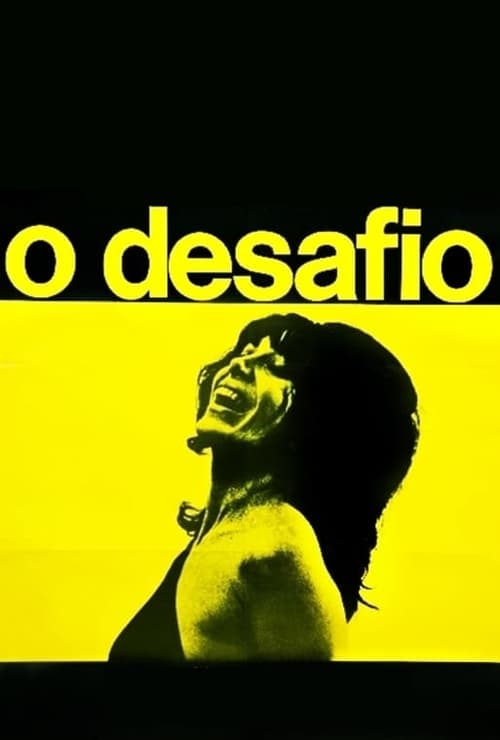
The Dare
1965
No user ratings available yet
Representation score: 5.8 out of 10
Representation Score
Fair
1968
Director
Andrea Tonacci
Runtime
26 minutes
Average Rating
No ratings yetNew Showbiz Analysis
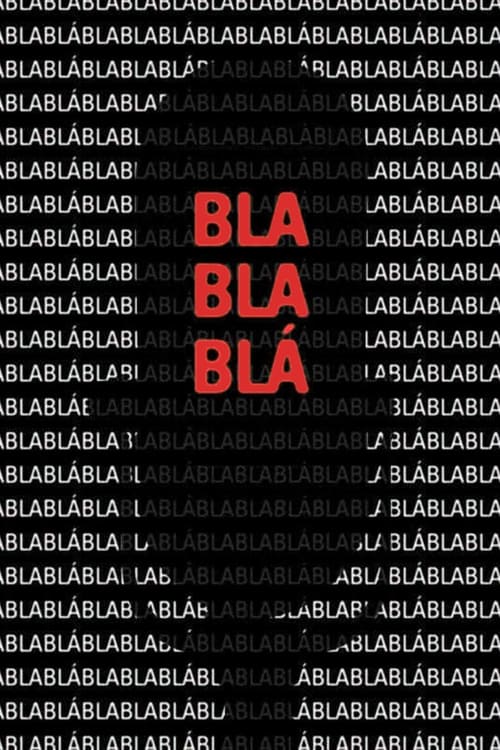
Blablablá serves as a structural critique of political authority during the Brazilian military dictatorship. It explores the tension between state power and individual ability to act through three distinct social archetypes. The film's strength lies in its engagement with the sociopolitical realities of 1968 Brazil. It uses its narrative framework to challenge conventional stories of state stability and institutional control. However, the film lacks specific visibility regarding LGBTQ+ identities and disability. While it addresses systemic tensions, the demographic specifics of its central characters remain undefined.
Category Breakdown
The film does not include explicit LGBTQ+ characters or non-assuming gender matches what was assigned at birth identities. Its focus is on macro-political issues rather than queer identity.
The gender of the politician, revolutionary, and common citizen remains unspecified. The film may reflect traditional 1960s gender hierarchies through its political archetypes.
The setting hints at Brazil's complex racial landscape. The focus on common citizens and revolutionaries likely touches on systemic racial disparities.
The film critiques established power structures by highlighting the tensions of a military dictatorship. It challenges state authority and traditional institutional stability.
There is no indication that disability or neurodivergence plays a role in the character arcs or plot progression.
Present on Screen
Limited or Absent
Official Synopsis
The tensions experienced by three different people during the military dictatorship in Brazil: a politician, a revolutionary and a common citizen.
1965

1967

1969
1964
1984
1961
1999
2010
No reviews yet. Be the first to share your thoughts on this movie!
Use the rating form above to leave a star rating and optional review.