
The Turning Wind
1962
No user ratings available yet
Diversity score: 6.5 out of 10
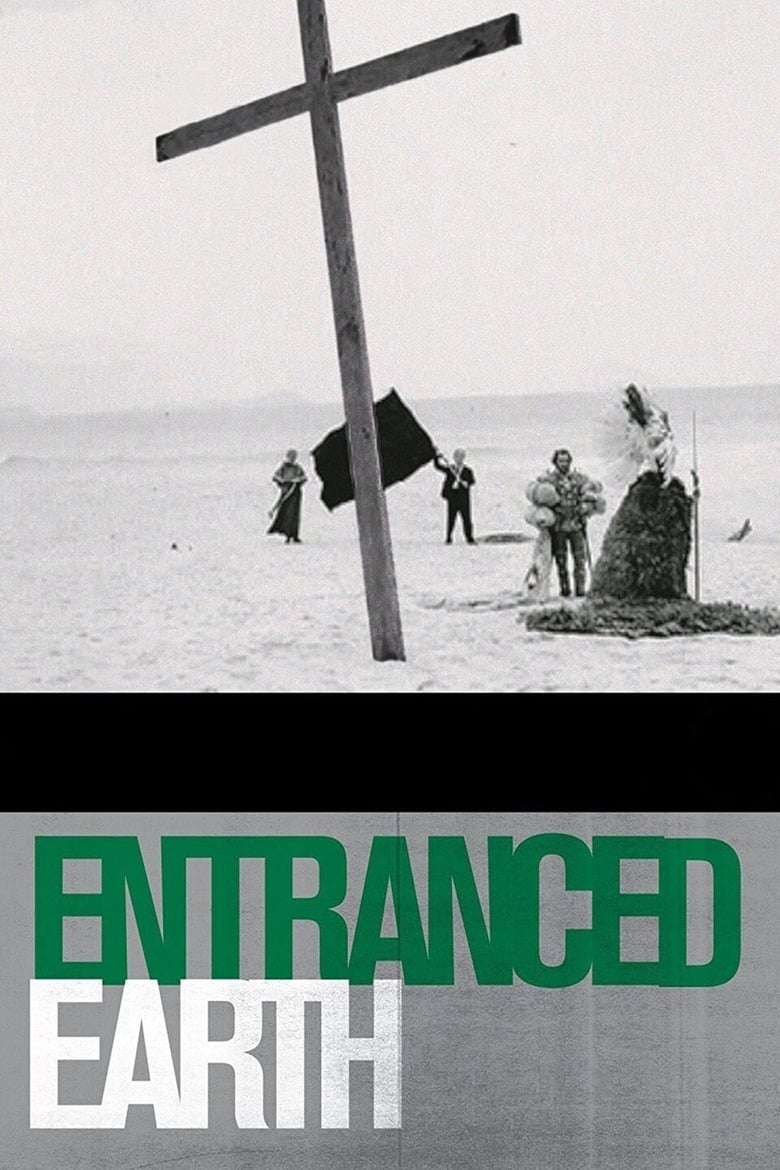
1967
Director
Glauber Rocha
Runtime
108 minutes
Average Rating
No ratings yetSynopsis
Eldorado, a fictitious country in America, is sparkling with the internal struggle for political power. In the eye of this social convulsion, the jaded journalist Paulo Martins opposes two equally corrupt political candidates: a pseudopopulist and a conservative. In this context, Paulo is torn between the madness of the elite and the blind submission of the masses. But, in this complex tropical reality, nothing really is what it seems to be.
Overall Score
Good
Category Breakdown
LGBTQ+ Representation
The film explores identity instability and fluid desire within Eldorado's chaotic social landscape. However, non-cisnormative identities are not central drivers of the primary plot.
Gender Representation
Female characters act as mirrors to the male-dominated political sphere. While they disrupt traditional hierarchies, they often navigate the same corrupt structures as the men.
Racial & Ethnic Diversity
Rocha uses the fictitious Eldorado to critique post-colonial dynamics and racial identity. The film successfully prioritizes a non-Anglo-Saxon perspective over traditional colonial narratives.
Religious & Cultural Diversity
The narrative deeply critiques Western institutions and capitalism. It portrays traditional political structures as performative and corrupt, embracing a complex, anti-imperialist framework.
Disability Representation
There is no evidence regarding the representation of physical or neurodivergent disabilities in this work.
Strengths
Areas for Improvement
AI Analysis
Glauber Rocha’s work is a radical deconstruction of power and Western political norms. By utilizing the allegorical state of Eldorado, the film challenges the stability of traditional institutions and colonialist structures. The film excels in its cultural and racial critiques, offering a sophisticated view of post-colonial identity. It avoids moralistic tropes, instead presenting a collision of systemic failures and political madness. While the film is intellectually dense regarding systemic oppression, it lacks specific focus on individual identity markers like gender or LGBTQ+ representation, which remain secondary to the macro-political struggle.
1962

1971
1980

1968
1993

2019

1993

2018

1972
1959
1977
1968
No reviews yet. Be the first to share your thoughts on this movie!
Use the rating form above to leave a star rating and optional review.