
The Man Who Stood In the Way
2023
No user ratings available yet
Representation score: 3.6 out of 10
Representation Score
Fair
2016
Director
Franz Novotny
Average Rating
No ratings yetNew Showbiz Analysis
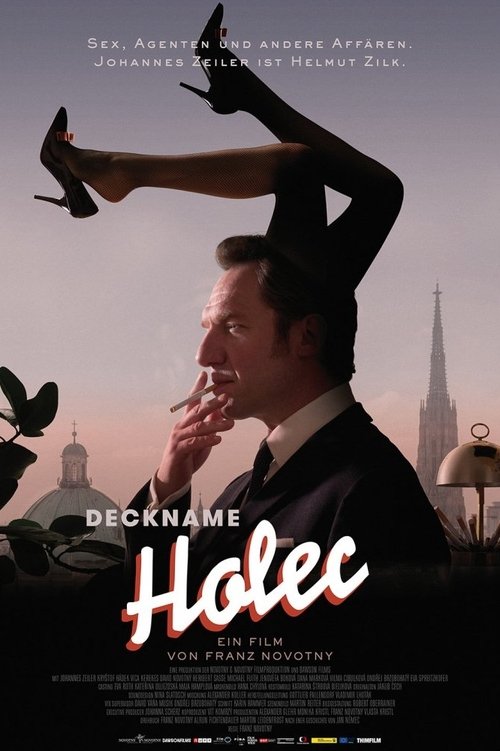
Deckname Holec is a historical drama that prioritizes political tension and individual ability to act over characters who reflect more than one aspect of diversity. The narrative is deeply rooted in the specific geopolitical context of the 1968 Russian invasion of Prague. While the film lacks explicit LGBTQ+ or multi-ethnic markers, it finds strength in its cultural critique. The plot centers on resisting state-mandated stability and institutional oppression. Ultimately, the film functions as a traditional period piece, achieving moderate diversity through its focus on systemic struggle rather than a diverse ensemble cast.
Category Breakdown
The story centers on a romantic bond between Honza David and Eva, without any queer-coded elements or non-straight relationships.
A male protagonist drives the political plot, while Eva serves as a central emotional pillar, providing a meaningful female presence in the period setting.
The film focuses on Central European identities tied to the 1968 Russian invasion. It reflects the more homogeneous demographic typical of that historical era.
The narrative challenges authoritarian state power by focusing on the struggle against the Czech Secret Service, prioritizing individual ability to act against systemic oppression.
The film contains no mention of characters with visible or invisible disabilities. No assessment of neurodivergence or physical disability is possible.
Present on Screen
Limited or Absent
Official Synopsis
Young director Honza David films the Russian invasion in in Prague in August 1968. With Eva the love of his life he tries to get out of the country. He wants to bring the explosive material to Vienna, to the director of the Austrian Television Helmut Zilk. He knows Eva very well but the Czech Secret Service even better ...
2023
2018
2003
2014
2017
2014
1986
2006
No reviews yet. Be the first to share your thoughts on this movie!
Use the rating form above to leave a star rating and optional review.