Romance of the West
1930
No user ratings available yet
Representation score: 0.9 out of 10
Representation Score
Limited
1917
PassedDirector
George Melford
Runtime
50 minutes
Average Rating
No ratings yetNew Showbiz Analysis
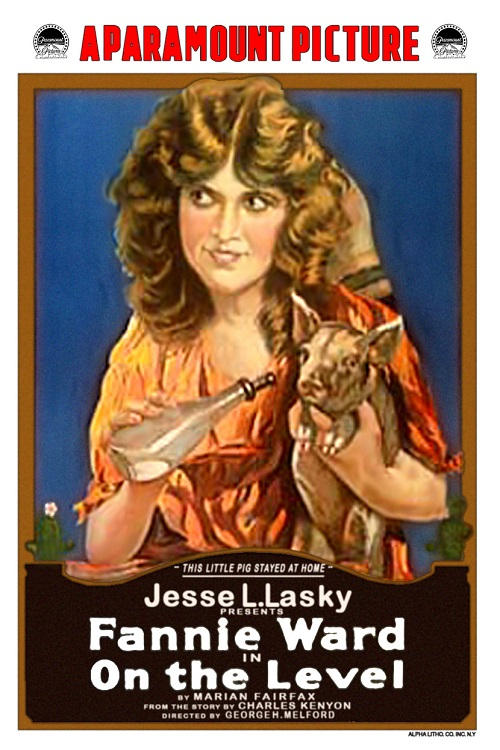
On the Level is a classic silent-era Western melodrama that prioritizes traditional moral arcs over diverse representation. While the female lead exhibits a significant role in driving the story through her refusal of bribes and protection of her lover, her journey is largely defined by the whims and violence of men. The film’s approach to identity and struggle is rooted in the period’s clichés. Addiction is treated as a temporary obstacle to be cured rather than a nuanced condition, and ethnic markers appear more performative than culturally deep. Ultimately, the film reinforces the social hierarchies and romantic structures typical of 1917 cinema, offering a conventional resolution that prioritizes moral restoration over social disruption.
Category Breakdown
The film focuses on a traditional heterosexual relationship and does not include any same-sex intimacy or non-cisgender identities.
Merlin Warner shows resilience while navigating male coercion and identity shifts. However, the plot is driven by male-led conflicts and resolutions.
The setting suggests a blend of ethnicities, but the characterization may rely on clichés. The name 'Mexicali Mae' hints at a performative ethnic identity.
The story follows standard Western conventions and moralistic themes, reinforcing traditional social orders through marriage and conventional romantic resolutions.
Joe Blanchard's morphine addiction is depicted as a hurdle to overcome. The narrative treats this struggle as a cliché to facilitate a return to normalcy.
Present on Screen
Limited or Absent
Official Synopsis
Rustler Pete Sontag kidnaps Merlin Warner after he kills her father. Pete, a drug smuggler who uses his saloon as a front, coerces Merlin though beatings to become the dancer Mexicali Mae. She meets and falls in love with morphine addict Joe Blanchard but Pete frames Joe for a murder that he committed, forcing Mae to hide Joe in a homestead in the hills. After many struggles, Joe is cured of his addiction and proposes to Mae. She accepts, but when his mother and fiancée Eleanor arrive, they offer her money to leave, Mae refuses the money but becomes convinced that she is not good enough for Joe and writes to him that she is returning to the saloon. Joe learning of his mother’s plot arrives at the saloon and in the resultant fight Pete is killed. Mae and Joe are reconciled.
1930
1959
1920
1926
1927
1924
1925
1918
No reviews yet. Be the first to share your thoughts on this movie!
Use the rating form above to leave a star rating and optional review.