The Saddle Buster
1932
No user ratings available yet
Representation score: 2.8 out of 10
Representation Score
Limited
1925
PassedDirector
Irving Cummings
Runtime
70 minutes
Average Rating
No ratings yetNew Showbiz Analysis
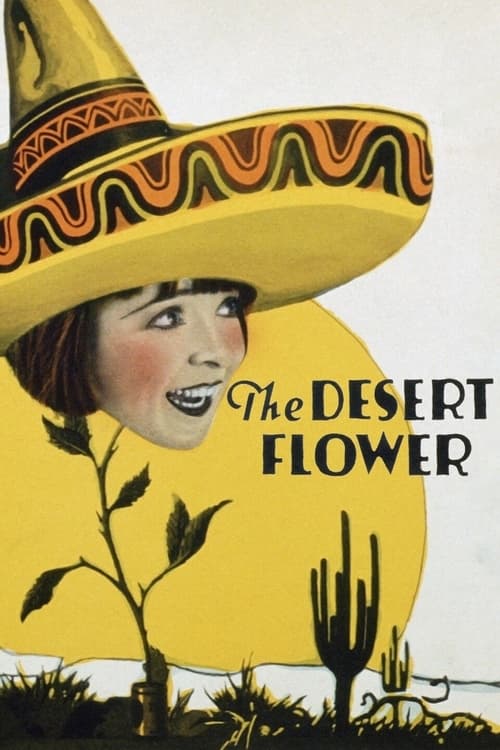
The Desert Flower is a classic sagebrush melodrama that operates within the rigid moral binaries of 1920s Hollywood. It relies on traditional archetypes, particularly the cliché of a woman serving as a moral guide to reform a wayward man. While the female protagonist wields social influence, the film's structure reinforces existing social hierarchies rather than challenging them. The narrative centers on individual redemption and the restoration of order within a conventional Western setting. Ultimately, the film offers a historical snapshot of early cinema's tendency towards homogeneous casting and conservative moral instruction, with little in the way of diverse or subversive perspectives.
Category Breakdown
The film does not include any characters with non-straight or non-cisgender identities. It focuses on traditional romantic relationships and moral themes typical of its time.
Colleen Moore's character tries to reform a male character, showing moral decision-making but reinforcing traditional gender roles where women serve as moral guides. However, this role supports existing social hierarchies.
The film reflects the Eurocentric frontier narratives common in 1920s Westerns. There are no non-white characters with significant roles or ability to act.
The story emphasizes moral clarity through the reformation of an individual struggling with addiction. It prioritizes social stability over critical examination of systemic issues.
The lead actress faced a serious injury during filming, but the narrative does not center around disability or use it as a tool for ability to act.
Present on Screen
Limited or Absent
Official Synopsis
A mining camp girl attempts to reform a young derelict addicted to drink. Colleen Moore broke her neck in a fall from a moving handcar during the making of this rousing sagebrush melodrama. The pert Moore, an idol of her generation, quickly regained her mobility but was reportedly forced to sleep in a leather neck support for nearly ten years.
1932
1959
1925
1930
1917

1920
1924
1921
No reviews yet. Be the first to share your thoughts on this movie!
Use the rating form above to leave a star rating and optional review.