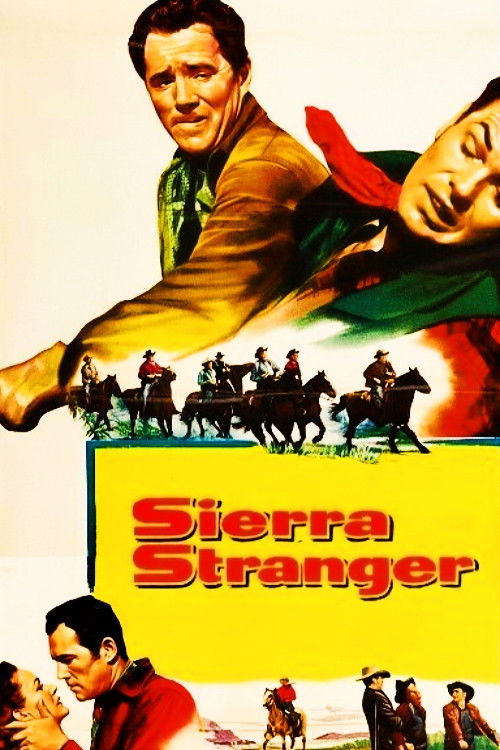
Sierra Stranger
1957
No user ratings available yet
Representation score: 3.5 out of 10
Representation Score
Limited
1959
NRDirector
Delmer Daves
Runtime
107 minutes
Average Rating
No ratings yetNew Showbiz Analysis
The film is a classic product of its 1950s context, emphasizing individual morality and romance over social complexity. It focuses on a male protagonist's redemption within a conventional social framework. The narrative lacks depth in representing multiple aspects of identity, relying instead on established mid-century hierarchies based on gender and race. While the film offers a cautionary tale about communal justice and mob mentality, it does not use these themes to challenge broader social or institutional structures.
Category Breakdown
The film strictly follows the assumption that everyone is straight and cisgender. There are no depictions of LGBTQ+ identities or same-sex relationships.
Audrey Hepburn's character is emotionally significant but the power dynamics revolve around the male lead. The female experience is portrayed mainly through reactions to trauma.
The story is set in a predominantly white community of the time. It lacks meaningful engagement with diverse racial backgrounds.
The film criticizes the dangers of public condemnation and mob mentality. However, it upholds traditional moral frameworks without challenging systemic institutions.
Elizabeth's state of shock due to trauma functions primarily as a plot device to advance the main character's journey.
Present on Screen
Limited or Absent
Official Synopsis
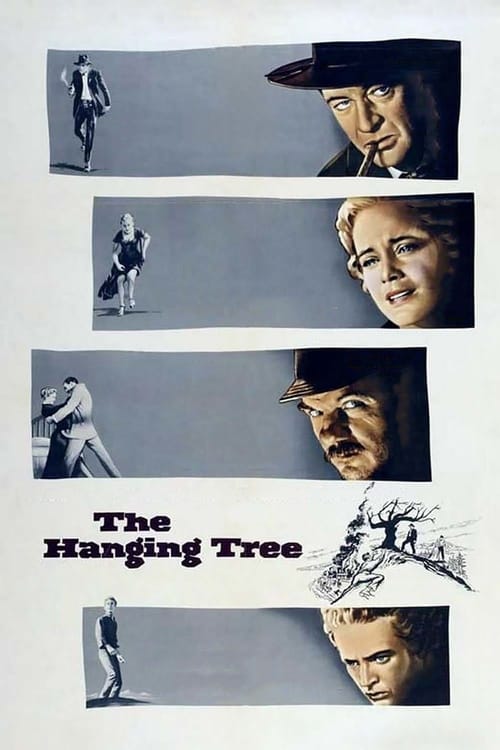
Joseph "Doc" Frail is a doctor with a past he's trying to outrun. While in Montana, he comes across a mining camp with a hanging tree and rescues a man named Rune from the noose. With Rune as his servant, Frail decides to settle down, and he takes over as town doctor. He meets Elizabeth, who is suffering from shock, and the two soon fall in love. But when Elizabeth is attacked, Frail's attempt to help her lands them both in trouble.
1957
1940
1950
1960
1958
1966
1957
1967
No reviews yet. Be the first to share your thoughts on this movie!
Use the rating form above to leave a star rating and optional review.