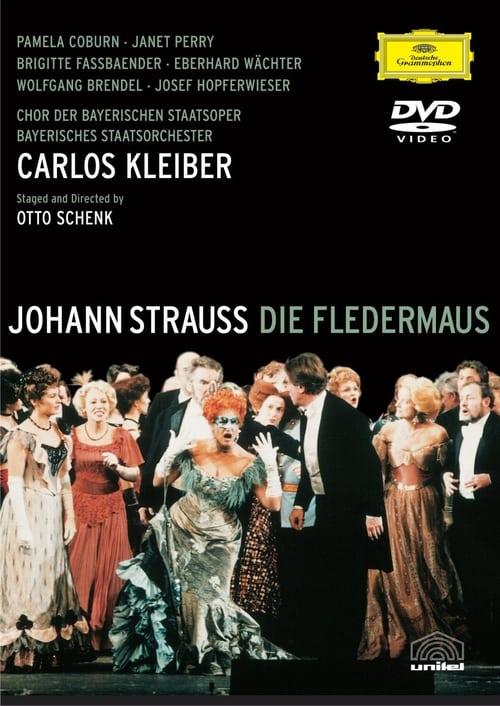
Die Fledermaus
1986
No user ratings available yet
Representation score: 1.9 out of 10
Representation Score
Fair
1975
Director
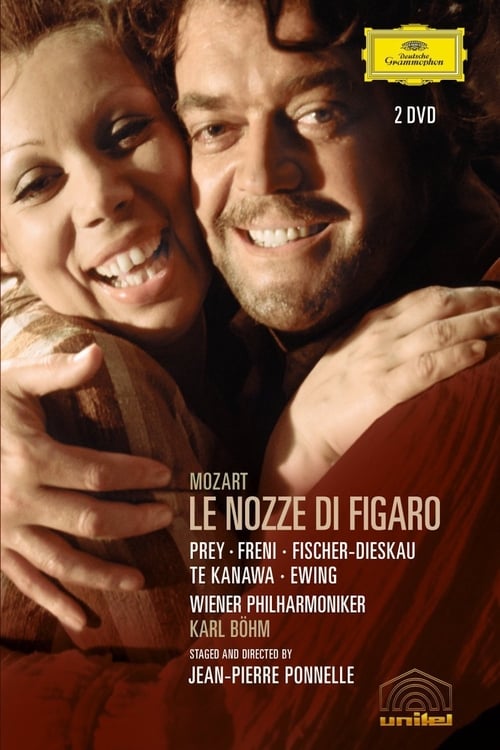
Jean-Pierre Ponnelle
Runtime
181 minutes
Average Rating
No ratings yetNew Showbiz Analysis
Ponnelle’s production excels at deconstructing systemic power, particularly through its portrayal of gender and class. Female characters drive the narrative through intellectual ability to act, successfully subverting patriarchal authority. The use of gender-fluid casting in the role of Cherubino adds a layer of non-assuming gender matches what was assigned at birth performance that enriches the character dynamics. However, the film is limited by its lack of racial and ethnic diversity. The cast remains homogeneous, adhering to the specific operatic traditions and cultural constraints of the mid-1970s. Ultimately, the work is a sophisticated study of social friction. It prioritizes the tactical superiority of the servant class over decaying feudal structures, making it a progressive thematic achievement despite its lack of ethnic variety.
Category Breakdown
The casting of Cherubino as a 'pants role' introduces gender fluidity through a female singer portraying a young male. This performance challenges binary expectations and explores adolescent identity within comedic operatic conventions.
Female protagonists Susanna and the Countess act as the primary architects of the plot. They use intellect and strategic deception to outmaneuver the Count, demonstrating a significant role in driving the story and tactical competence.
The production maintains a homogeneous cast, reflecting the historical and cultural casting traditions of 1975 European opera. It does not utilize color-blind casting or diverse ethnic identities.
The narrative offers a profound critique of the feudal class system and aristocratic corruption. It celebrates the subversion of established authority and the use of wit as a tool for liberation.
No significant depictions of visible or invisible disabilities are present in this production.
Present on Screen
Limited or Absent
Official Synopsis
Mozart's Marriage of Figaro is a comedy whose dark undertones explore the blurred boundaries between dying feudalism and emerging Enlightenment. Herman Prey's Figaro is admirably sung in a firm baritone and aptly characterized. So too, is his antagonist, Dietrich Fischer-Dieskau as the Count perpetually frustrated by the scheming wiles of Figaro and Susanna, here the perky Mirella Freni, who sings and acts like a dream. The Countess is creamy-voiced Kiri Te Kanawa, and the Cherubino, Maria Ewing, looks just like the horny, teenaged page she's supposed to be. The all-star leads are complemented by worthy supporting singers, the Vienna Philharmonic at the top of its form, and the experienced Mozartian, Karl Böhm conducting a stylishly fleet performance.
1986
1979
1970
1975
1962
1981
1986
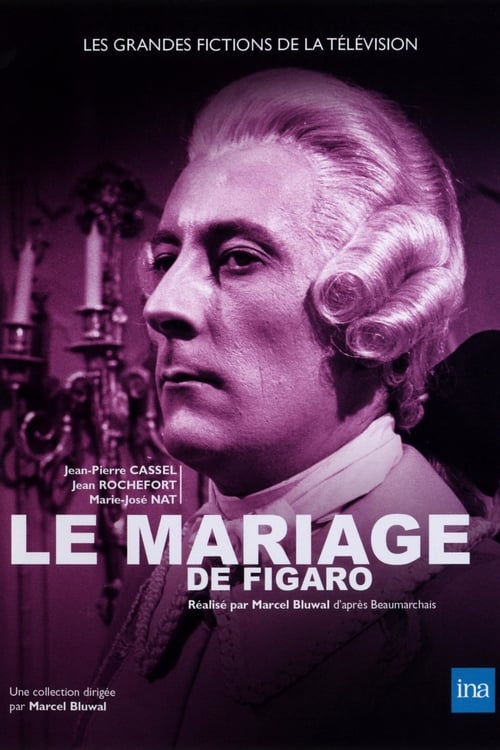
1961
No reviews yet. Be the first to share your thoughts on this movie!
Use the rating form above to leave a star rating and optional review.