
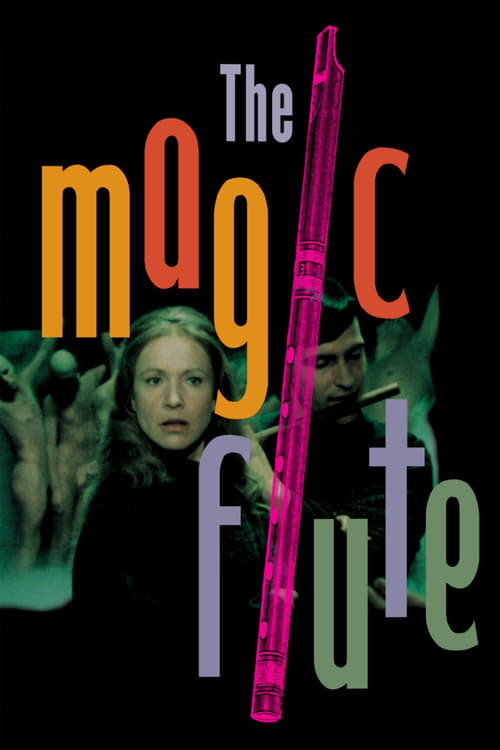
The Magic Flute
2006
No user ratings available yet
Representation score: 1.5 out of 10
Representation Score
Limited
1975
GDirector
Ingmar Bergman
Runtime
134 minutes
Average Rating
No ratings yetNew Showbiz Analysis
Bergman's adaptation is a traditional, authentic preservation of a classical work. It prioritizes historical and musical accuracy over challenging social hierarchies or integrating diverse identities. The film adheres to established operatic conventions and Eurocentric casting. This results in a narrative that reflects 18th-century Enlightenment philosophy rather than modern progressive values. Ultimately, the production serves as a theatrical preservation of Mozart's vision, maintaining the period's standard casting and gendered power structures.
Category Breakdown
The story follows a strictly straight-focused structure, focusing on the romantic pursuit of Princess Pamina by Prince Tamino, with no same-sex relationships.
Traditional gender roles dominate the film. While the Queen of the Night is a strong leader, leadership roles are split between the male lead and Sarastro's patriarchal authority.
The production features a predominantly white cast, maintaining a classic European aesthetic typical of the Mozartian tradition without diverse casting.
The film dramatizes the philosophical struggle of the Enlightenment through classical dualism. It explores the tension between the Queen’s court and Sarastro’s temple.
The production does not include characters with visible or invisible disabilities. There is no neurodivergent representation or disability used as a meaningful part of the story.
Present on Screen
Limited or Absent
Official Synopsis
The Queen of the Night enlists a handsome prince named Tamino to rescue her beautiful kidnapped daughter, Princess Pamina, in this screen adaptation of the beloved Mozart opera. Aided by the lovelorn bird hunter Papageno and a magical flute that holds the power to change the hearts of men, young Tamino embarks on a quest for true love, leading to the evil Sarastro's temple where Pamina is held captive.
2006
1970
1994

1960
1945

1994
1978

1989
No reviews yet. Be the first to share your thoughts on this movie!
Use the rating form above to leave a star rating and optional review.