The Concert
1974
No user ratings available yet
Representation score: 3.9 out of 10
Representation Score
Fair
1979
RDirector
Federico Fellini
Runtime
72 minutes
Average Rating
No ratings yetNew Showbiz Analysis
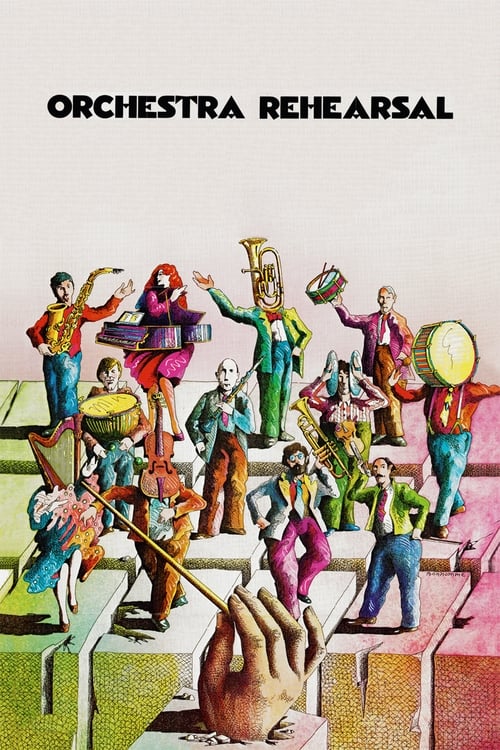
Federico Fellini’s work functions as a fragmented study of an ensemble under the gaze of a documentary crew. It prioritizes psychological abstraction over technical musical precision, focusing on the tension between systemic order and individual ability to act. The film lacks explicit markers of multiple identities or identity-based politics. Instead, it provides a sophisticated commentary on the deconstruction of institutional authority and the breakdown of traditional hierarchies within a professional setting. Ultimately, the film’s value lies in its critique of rigid systems. By mirroring the chaos of the human psyche, it challenges the strict order typically imposed by Western classical traditions.
Category Breakdown
The film does not include any explicit LGBTQ+ narratives or characters with non-traditional gender identities. The surreal elements allow for various interpretations of desire, but there are no clear queer subtexts or specific non-straight relationships.
The story revolves around a traditional male-led hierarchy, with a male conductor at the center. Female performers such as a haunting singer appear, but the film does not challenge traditional gender power dynamics.
The cast is predominantly made up of individuals from a similar cultural background, reflecting the European classical music scene of the late 1970s. The film focuses on the abstract struggles of artists rather than diverse ethnic representation.
The film critiques traditional Western institutions by showing the breakdown of professional discipline among musicians. The musicians' rebellion symbolizes the tension between systemic control and individual freedom.
There is no significant focus on visible or invisible disabilities. Surrealist explorations of a fragmented mind serve as stylistic choices rather than intentional representations of neurodivergent experiences.
Present on Screen
Limited or Absent
Official Synopsis
An orchestra assembles for a rehearsal in an ancient chapel under the inquisitive eyes of a TV documentary crew, but an uprising breaks out.
1974
1967
1981
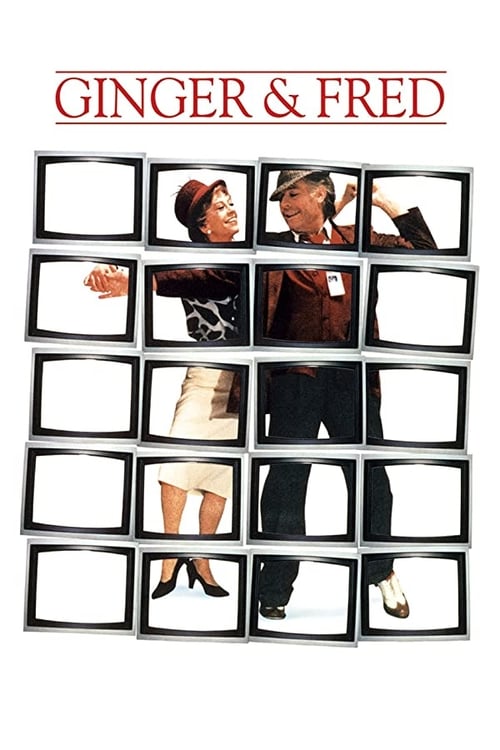
1986
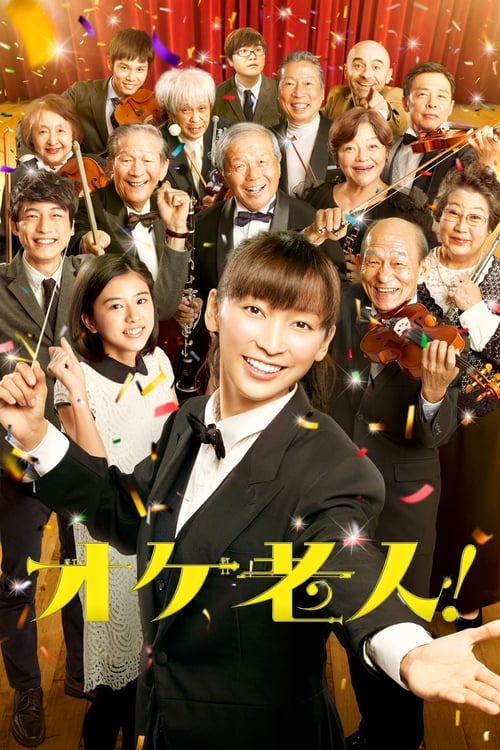
2016
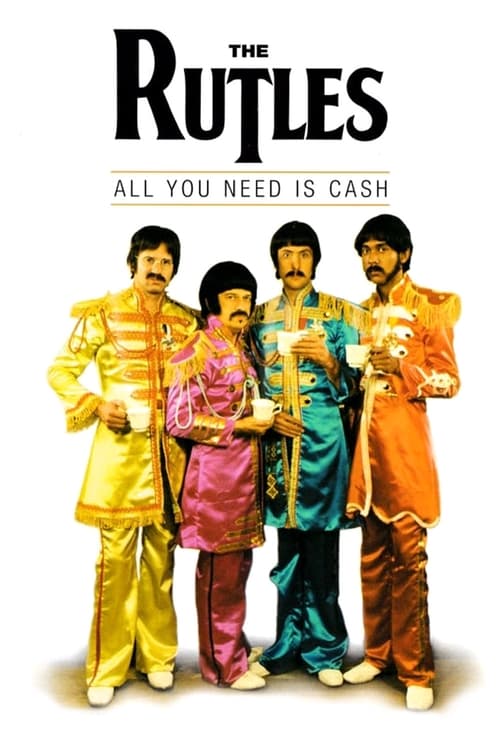
1978
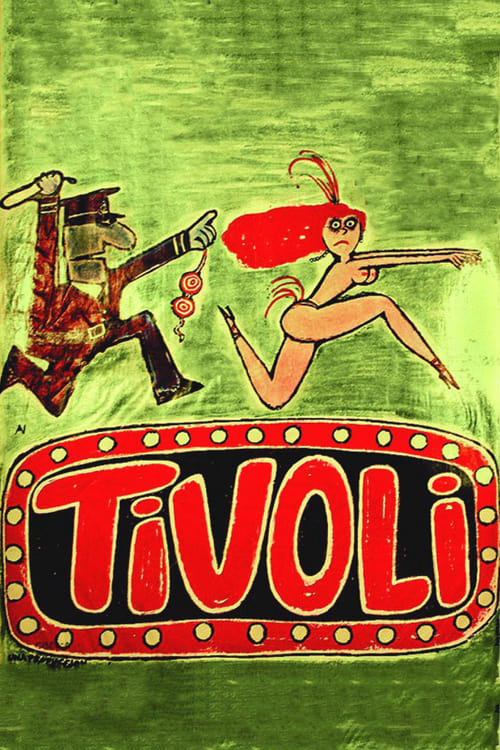
1975
1986
No reviews yet. Be the first to share your thoughts on this movie!
Use the rating form above to leave a star rating and optional review.