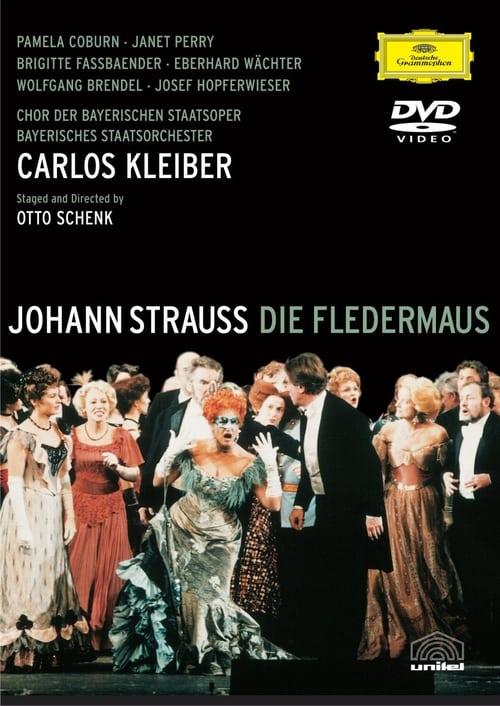
Die Fledermaus
1986
No user ratings available yet
Representation score: 1.9 out of 10
Representation Score
Minimal
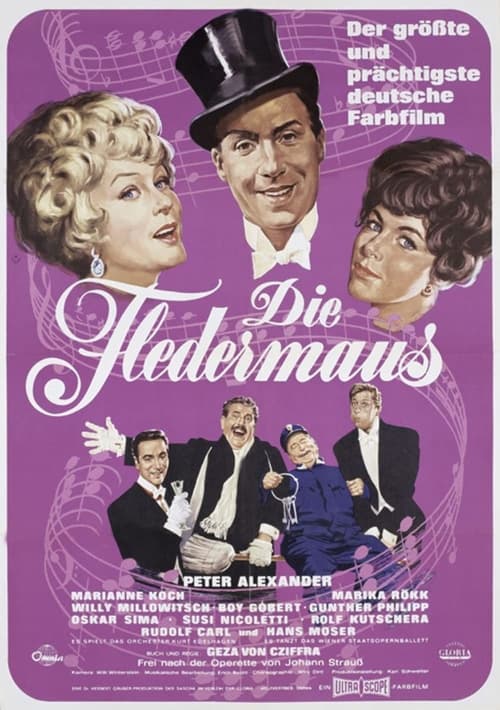
1962
Director
Géza von Cziffra
Runtime
107 minutes
Average Rating
No ratings yetNew Showbiz Analysis
Die Fledermaus (1962) operates as a polished, escapist musical comedy that upholds traditional social hierarchies. The film is deeply rooted in the conventions of 19th-century Viennese high society, emphasizing class standing and romantic entanglements. Since the production aims to maintain established norms rather than challenge them, it lacks perspectives that reflect multiple aspects of identity. The narrative structure relies on conventional gender roles and a homogeneous European cast, offering limited representation for underrepresented groups. Ultimately, the film serves as a celebration of high-society rituals. It provides a glimpse into a specific historical context without attempting to challenge systemic structures or introduce diverse human experiences.
Category Breakdown
The film follows a traditional operetta format focused on heterosexual romance. It does not include characters with non-binary gender identities or stories that challenge societal norms.
Female characters such as Rosalinde use their influence through social manipulation and deception. These actions, however, stay within the confines of traditional gender roles and marital infidelity.
The production showcases a homogeneous European social setting centered around the Viennese upper class. There is a noticeable lack of racial or ethnic diversity among the cast.
The story highlights the traditions and rituals of Western European aristocracy and the upper-middle class. It emphasizes wealth and status without questioning these established institutions.
The narrative does not feature characters with visible or invisible disabilities. There is no exploration of neurodivergence or physical disabilities in the character development.
Present on Screen
Limited or Absent
Official Synopsis
Dr. Gabriel Eisenstein, legal counsel at Arabayam & Co., is serving an eight-day sentence in the Grinzing district prison for insulting a public official. At the same time, however, he is to attend Prince Orlofsky's ball on behalf of his employer, Basil Arabayam, posing as Marquis Renard with a fictitious wife. Said woman is to persuade the prince to donate oil-rich lands in Bakutin on the Black Sea to her, which are to be immediately transferred to Arabayam...
1986
1961
1933

1946
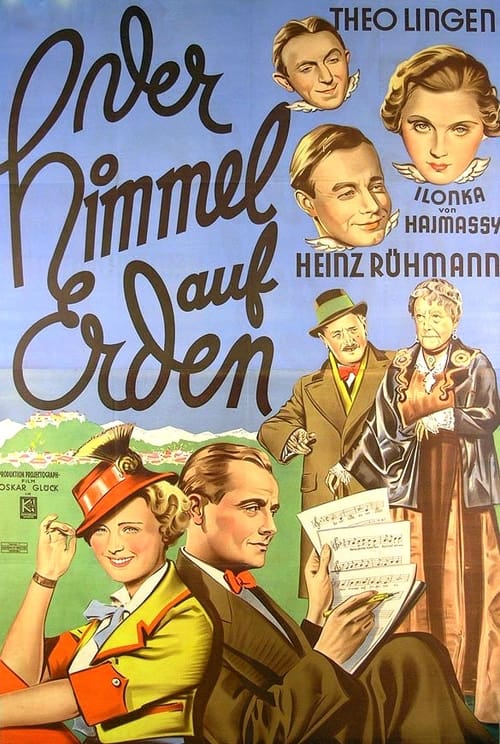
1935
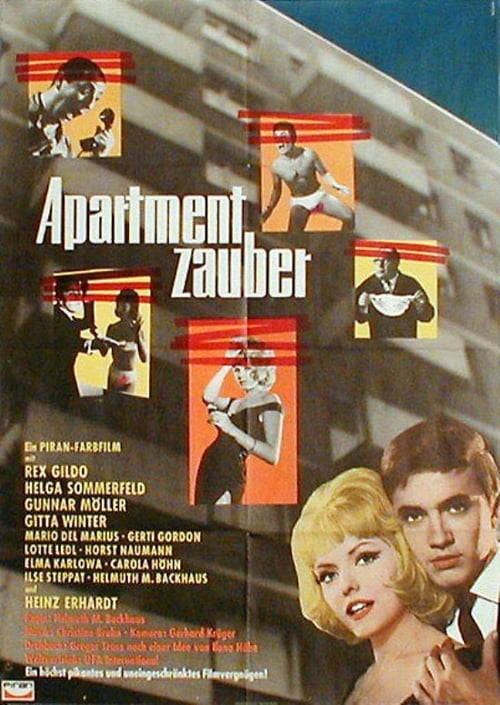
1963
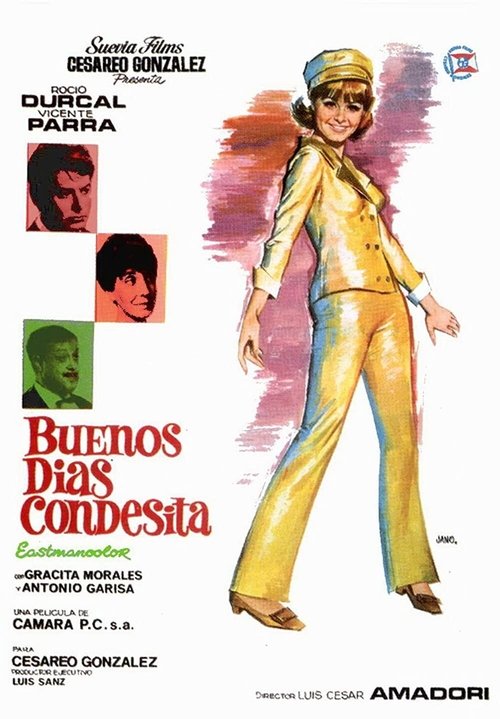
1967
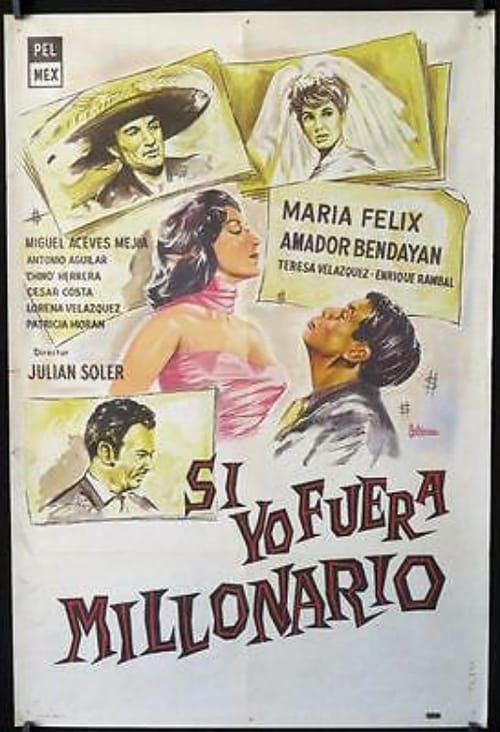
1962
No reviews yet. Be the first to share your thoughts on this movie!
Use the rating form above to leave a star rating and optional review.