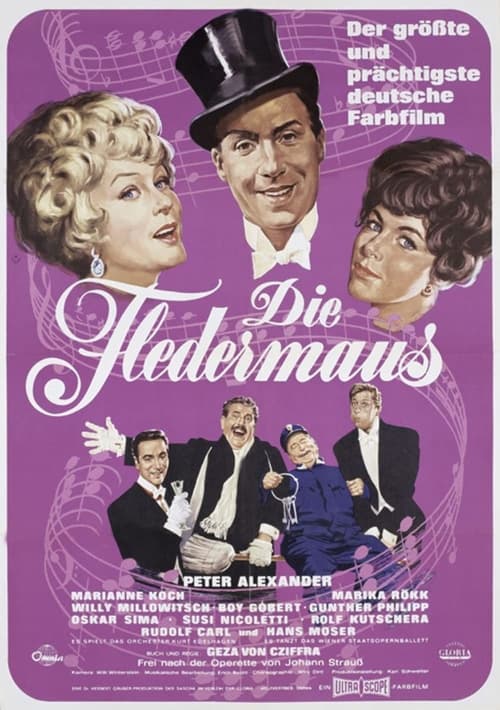
Die Fledermaus
1962
No user ratings available yet
Representation score: 1.0 out of 10
Representation Score
Minimal
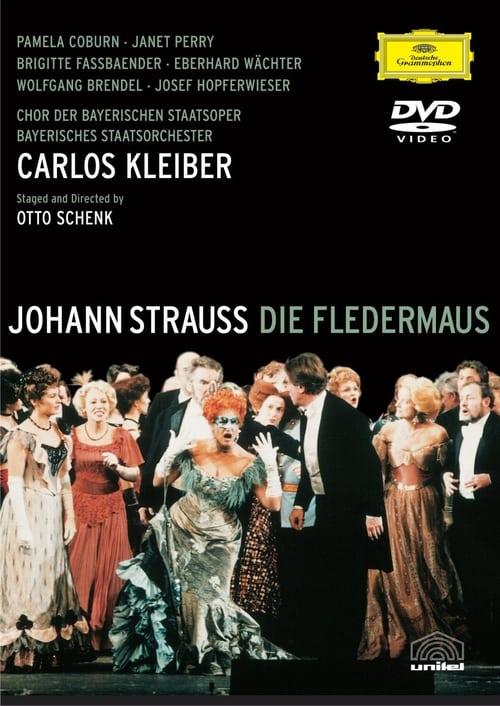
1986
Director
Brian Large, Otto Schenk
Runtime
156 minutes
Average Rating
No ratings yetNew Showbiz Analysis
This filmed performance of Johann Strauss II’s operetta emphasizes historical authenticity and the preservation of classical Western traditions. The narrative is deeply rooted in the 19th-century Viennese social structures, focusing on class distinctions and comedic mishaps. Since the production adheres strictly to the period-specific source material, it lacks contemporary representation of multiple aspects of identity. The casting and character dynamics reflect the cultural homogeneity of the era, emphasizing traditional social hierarchies over modern diversity.
Category Breakdown
The production follows traditional assumptions about straight relationships and gender matching. It focuses on marital infidelity and conventional romances rather than same-sex relationships.
Women's influence is shown through social manipulation and disguise. Characters challenge class hierarchies, but the underlying gender roles remain conventional.
Casting reflects the historical uniformity typical of 19th-century European operatic traditions. The production sticks to traditional casting without including actors from diverse backgrounds.
The work highlights Western musical traditions and aristocratic customs. It upholds traditional social hierarchies and the elegance of the Viennese era.
There are no characters with physical or neurodivergent disabilities in the narrative.
Present on Screen
Limited or Absent
Official Synopsis
Performances from Pamela Coburn, Brigitte Fassbaender, Janet Perry, Eberhard Wachter, the Choir und Ballet der Bayerischen Staatsoper, and the Bayerisches Staatsorchester. Rosalinde, wife of Eisenstein, is having an affair with Alfred. Eisenstein is due to begin a prison sentence the next morning, and the prison governor, Frank, is expected to collect him at any moment. However, Eisenstein allows himself to be talked into attending a fancy dress ball by Dr Falke, and when Frank arrives to find Alfred with Rosalinde, he assumes him to be Eisenstein and carts him off to prison.
1962
1961

1946
1975
1981
1944
1933
1970
No reviews yet. Be the first to share your thoughts on this movie!
Use the rating form above to leave a star rating and optional review.