The School of Wives
1983
No user ratings available yet
Representation score: 2.6 out of 10
Representation Score
Fair
1961
Director
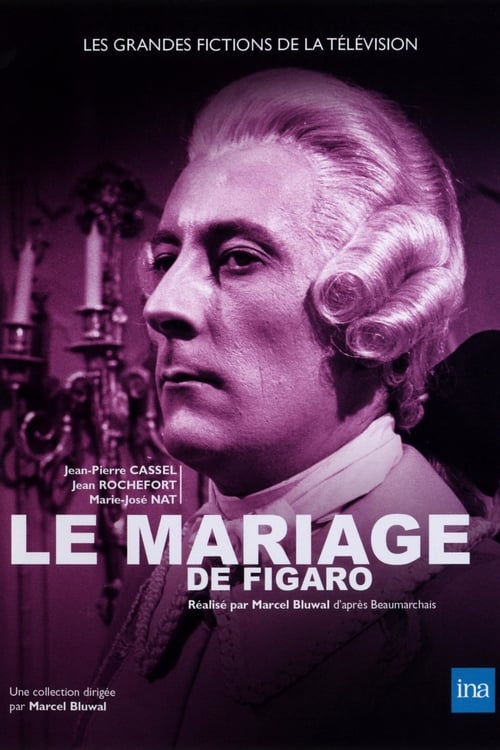
Marcel Bluwal
Runtime
145 minutes
Average Rating
No ratings yetNew Showbiz Analysis
Marcel Bluwal’s production excels at critiquing social hierarchies through its narrative structure. By emphasizing the intellectual ability to act of women, the film turns a period comedy into a sharp critique of patriarchal ineptitude. However, the film remains tied to its historical context through its casting. The ensemble is largely homogeneous, reflecting the 18th-century French setting without attempts to modernize the racial makeup. Ultimately, the work finds its strength in its progressive themes. It combines a traditional visual style with a radical deconstruction of aristocratic privilege and class-based oppression.
Category Breakdown
The film focuses on heterosexual romance and traditional courtship. There are no depictions of non-binary identities or same-sex relationships.
Female characters like Suzanne and the Countess play key roles in driving the plot. They use intelligence and strategic deception to outwit the Count's authority.
The cast is primarily made up of white Europeans to accurately represent the 18th-century French setting. The film does not attempt to modernize the story with diverse casting.
The film criticizes Western hierarchies by showing the landed aristocracy as corrupt and hypocritical. It highlights the dismantling of oppressive class structures through the servant class.
There are no prominent depictions of physical or neurodivergent disabilities that drive the narrative or serve as central character traits.
Present on Screen
Limited or Absent
Official Synopsis
Comedy in five acts by Beaumarchais, filmed by Marcel Bluwal in studio and on location. The cast, in accordance with Marcel Bluwal's wishes, is in keeping with the age and character of the characters, to give it rhythm. At once "a comic baroque play, a bourgeois drama, a chansonnier's number, a social satire, a farce and a very pretty love story" according to Marcel Bluwal, it can also be summed up, according to Beaumarchais, as "the most bantering of intrigues".
1983
1980
1975
1996
1965
1973
2017

1950
No reviews yet. Be the first to share your thoughts on this movie!
Use the rating form above to leave a star rating and optional review.