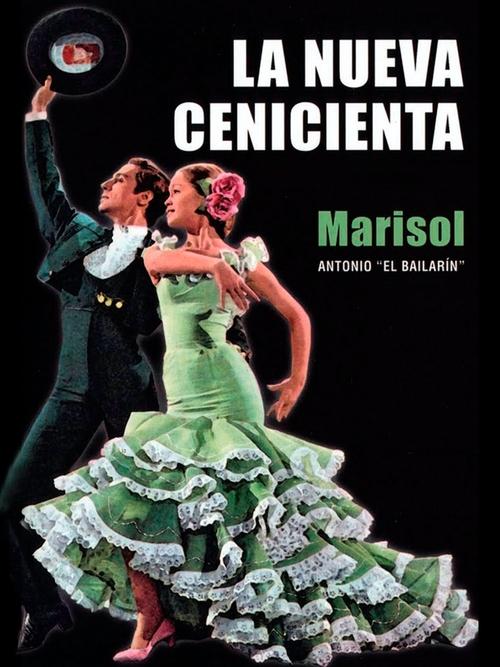
The New Cinderella
1964
No user ratings available yet
Representation score: 2.0 out of 10
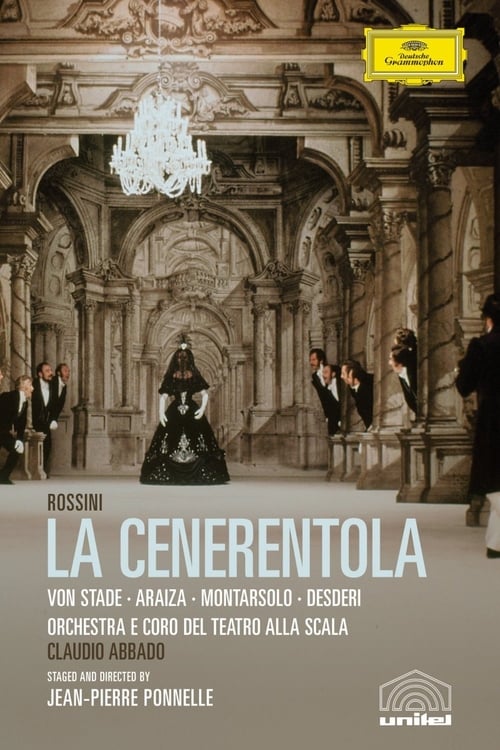
Representation Score
Limited
1981
Director
Jean-Pierre Ponnelle
Runtime
151 minutes
Average Rating
No ratings yetNew Showbiz Analysis
Jean-Pierre Ponnelle’s production is a faithful, traditionalist staging of a classical work. It excels in providing meaningful character development for its female lead, allowing her to assert emotional standards against social pressure. However, the film lacks intentionality regarding diverse representation or queer identity. It operates within established historical hierarchies rather than attempting to challenge them. The production remains grounded in 19th-century moral frameworks, focusing on individual virtue rather than systemic critiques of class or race.
Category Breakdown
The production does not include any identifiable LGBTQ+ characters or narratives. The romantic relationship focuses solely on a traditional heterosexual pairing between the Prince and Cenerentola.
Cenerentola shows notable independence by rejecting the Prince when she thinks he is a valet. However, the resolution ultimately upholds traditional patriarchal structures and romantic outcomes.
The casting adheres to standard 1980s operatic traditions without color-blind casting. The production features a homogeneous cast reflecting the historical context of the source material.
The film examines socioeconomic divides through a lens of individual morality. It reinforces a traditional order where virtue leads to social advancement within a Western framework.
There are no visible or invisible disabilities portrayed as central to the character arcs or the plot progression.
Present on Screen
Limited or Absent
Official Synopsis
The Prince, Don Ramiro (who has changed places with his valet, Dandini), meets Cenerentola and they are instantly attracted to each other. When the Philosopher, Alidoro, later takes Cenerentola (dressed in magnificent clothing) to the palace, Dandini (still posing as the prince) tries to talk of love to her, but Cenerentola rejects him, saying that she is in love with his 'valet'. Ramiro, who has overheard this comment, is overjoyed, and immediately proposes to her, but Cenerentola says that he must first seek her out and then, if he still felt the same way, she would marry him. She gives him one of a matching pairs of bracelets, telling him to look for its companion on her right arm (she then leaves the palace). Ramiro ends the masquerade, and he and Dandini resume their true identities. The Prince then sets out on his quest - little realising that destiny, in the form of a violent thunderstorm, is about to take a hand in the affair.
1964
1970
1962
1975
1983

2008
1986
1933
No reviews yet. Be the first to share your thoughts on this movie!
Use the rating form above to leave a star rating and optional review.