Master of His Own Body
1957
No user ratings available yet
Representation score: 4.7 out of 10
Representation Score
Fair
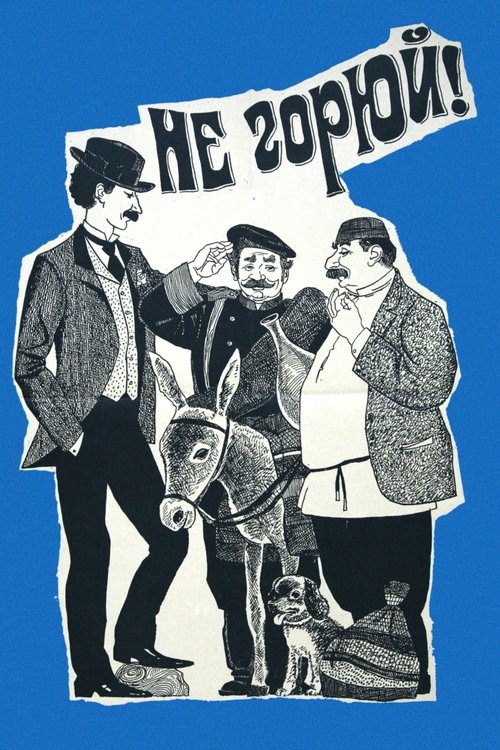
1968
Director
Georgiy Daneliya
Runtime
90 minutes
Average Rating
No ratings yetNew Showbiz Analysis
Don't Grieve! is a character-driven comedy-drama that prioritizes humanistic values over rigid social hierarchies. The film's strength lies in its critique of transactional relationships, contrasting Benjamin's empathetic worldview against the patriarchal and economic control exerted by Manette's father. While the film gently challenges traditional social structures, it remains set in a homogeneous 1968 production context. It lacks explicit representation of LGBTQ+ identities or diverse racial backgrounds, focusing instead on a traditional romantic arc. Ultimately, the film's diversity is found in its moral framework, promoting social welfare and emotional truth, despite operating within a narrow demographic scope.
Category Breakdown
The film centers around a traditional romantic relationship between Benjamin and Manette. There are no explicit representations of LGBTQ+ identities or non-straight relationships.
Manette is portrayed through her father's restrictive view, which limits her role. However, Benjamin's democratic and selfless nature offers a counterpoint to traditional patriarchal dominance.
The story seems to take place in a localized, homogeneous environment. There is no indication of multi-ethnic casting or intentional racial diversity.
The narrative emphasizes humanistic values and communal ethics, critiquing transactional social norms and capitalist accumulation. Benjamin's altruism highlights a more caring social structure.
The available information does not provide any details about the portrayal of physical, neurodivergent, or mental health conditions.
Present on Screen
Limited or Absent
Official Synopsis
Benjamin, the local doctor is a soul of a local society, the educated, friendly, democratic person who often treats the poor for free. It makes him very popular with the locals but most certainly does not help with his bank account. He is in love with a beautiful Manette who is also crazy about him but is being watched closely by her father who called his daughter "his small capital" and is determined to protect her virginity until the moment the marriage contract has been signed...
1957

1962

1980

1965

1966
1918

1985
1985
No reviews yet. Be the first to share your thoughts on this movie!
Use the rating form above to leave a star rating and optional review.