Faustine and the Beautiful Summer
1972
No user ratings available yet
Representation score: 3.4 out of 10
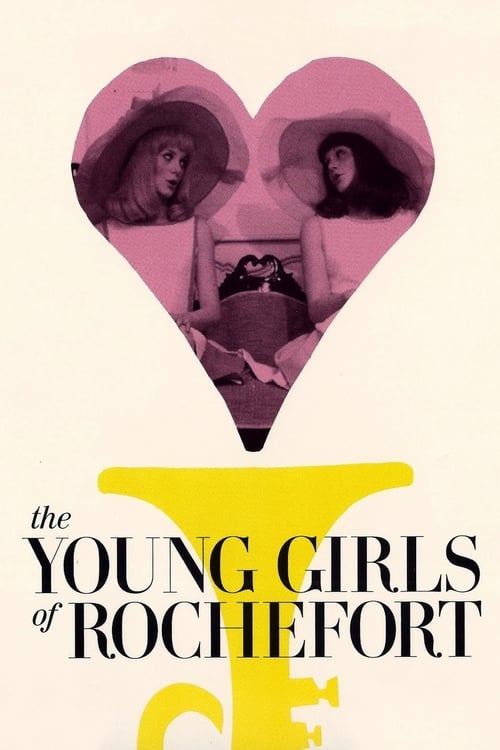
Representation Score
Fair
1967
GDirector
Jacques Demy
Runtime
126 minutes
Average Rating
No ratings yetNew Showbiz Analysis
Jacques Demy’s work stands out by challenging traditional feminine stereotypes through the independence and intellectual vitality of its female leads. The sisters navigate their own desires with a level of ability to act that was uncommon in the romantic comedies of the time. However, this progressive gender dynamic is offset by a lack of broader social diversity. The film operates within a highly homogeneous, white, and straight-centered framework that avoids engaging with diverse identities or systemic social hierarchies. Ultimately, the film prioritizes aesthetic joy and romantic destiny. While it disrupts traditional narrative structures, it remains a localized, escapist vision that lacks representation for LGBTQ+ individuals, different racial backgrounds, or people with disabilities.
Category Breakdown
The film focuses on heterosexual relationships and does not include any explicit depiction of LGBTQ+ identities or same-sex intimacy.
Women play a central role in driving the narrative through the twin protagonists, Delphine and Solange, who actively pursue their own romantic quests.
The cast is predominantly white, reflecting a homogeneous European demographic without much racial or ethnic diversity.
The film presents an idealized vision of social harmony, avoiding systemic critiques and focusing on romantic idealism and aesthetic beauty.
There are no significant depictions of physical or neurodivergent disabilities. Characters are shown as able-bodied participants in a physically demanding musical environment.
Present on Screen
Limited or Absent
Official Synopsis
In the seaside town of Rochefort, twin sisters Delphine and Solange dream of love and artistic fulfillment beyond their quiet lives. As sailors, artists, musicians, and chance visitors pass through town during a weekend fair, a web of near-misses and romantic longing brings ideal partners tantalizingly close—without their realizing it.
1972

1961
1972
1965
1964

1971
2004

1961
No reviews yet. Be the first to share your thoughts on this movie!
Use the rating form above to leave a star rating and optional review.