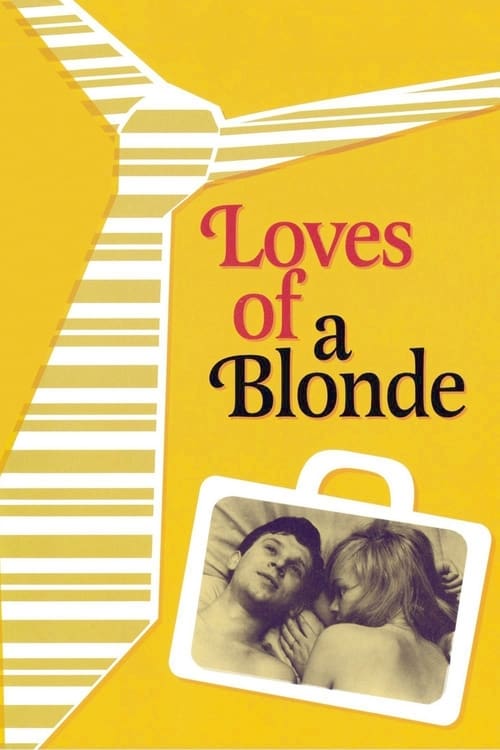
Loves of a Blonde
1965
No user ratings available yet
Diversity score: 4.9 out of 10
1965
ApprovedDirector
Fred Coe
Runtime
118 minutes
Average Rating
No ratings yetSynopsis
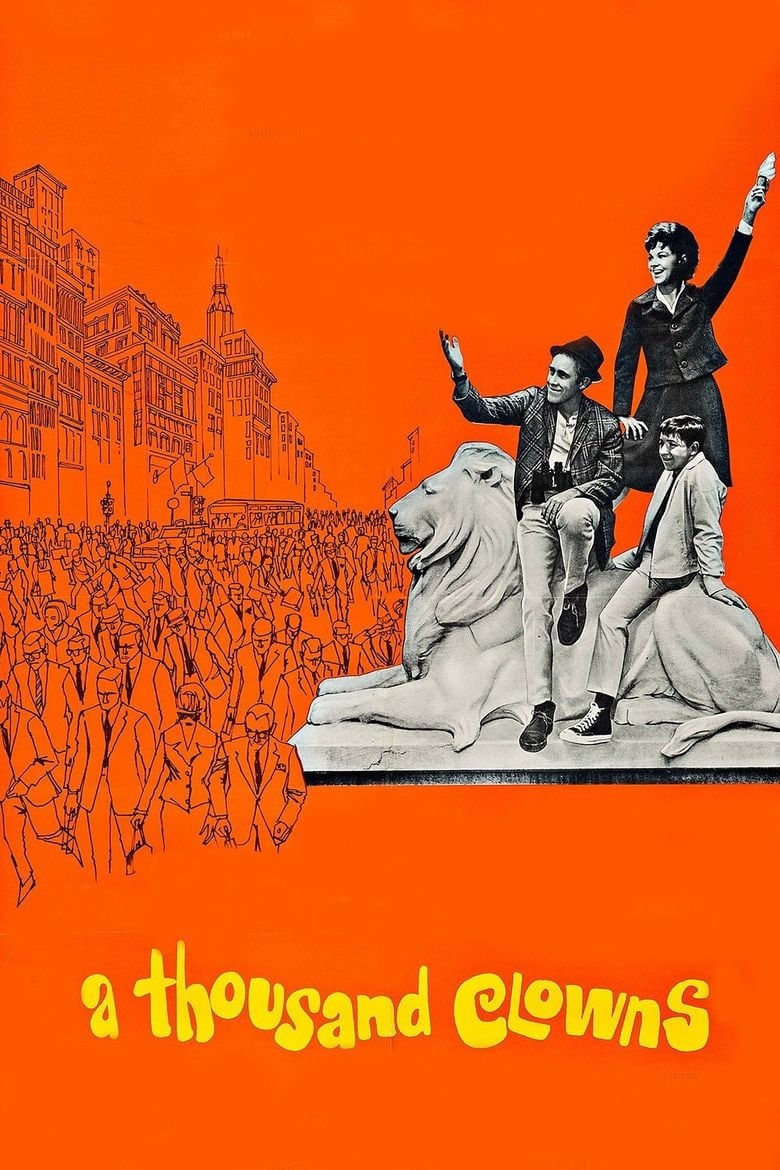
Twelve-year-old Nick lives with his Uncle Murray, a Mr.Micawber-like Dickensian character who keeps hoping something won't turn up. What turns up is a social worker, who falls in love with Murray and a bit in love with Nick. As the child welfare people try to force Murray to become a conventional man (as the price they demand for allowing him to keep Nick), the nephew, who until now has gloried in his Uncle's iconoclastic approach to life, tries to play mediator. But when he succeeds, he is alarmed by the uncle's willingness to cave in to society in order to save the relationship.
Overall Score
Limited
Category Breakdown
LGBTQ+ Representation
The film lacks explicit LGBTQ+ characters or narratives. Interpersonal dynamics remain centered on heteronormative romantic and familial structures.
Gender Representation
The narrative subverts traditional hierarchies by featuring a strong female presence with professional agency. It contrasts a whimsical male protagonist against women who navigate complex social integration.
Racial & Ethnic Diversity
The ensemble is predominantly white and Anglo-Saxon. There is an absence of racial diversity, reflecting the localized, bohemian New York setting of 1965.
Religious & Cultural Diversity
The film critiques traditional Western institutions and the restrictive archetype of the 'conventional man.' It prioritizes artistic spontaneity and unconventional kinship over rigid social decorum.
Disability Representation
There are no prominent depictions of physical or neurodivergent disabilities. Character eccentricities are treated as personality traits rather than disability-based narrative devices.
Strengths
Areas for Improvement
AI Analysis
A Thousand Clowns serves as a mid-century critique of institutional rigidity, pitting bohemian individualism against the prescriptive demands of social welfare systems. It challenges the era's respectability politics by framing eccentricity as a valid way of life. While the film lacks demographic breadth regarding race and LGBTQ+ identities, it excels in its thematic deconstruction of social hierarchies. It portrays traditional societal expectations as inherently oppressive to the human spirit. The film's strength lies in its progressive stance on moral relativism and its subversion of the 'stable male leader' trope, even if it remains limited by the social constraints of its production year.
1965
1966
1970
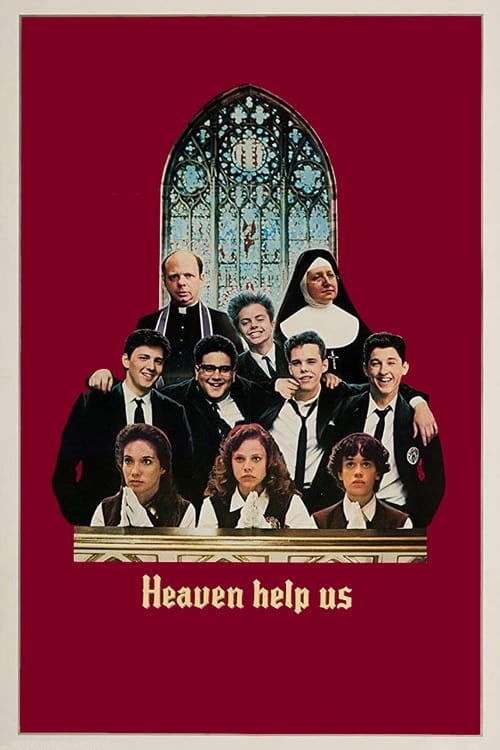
1985
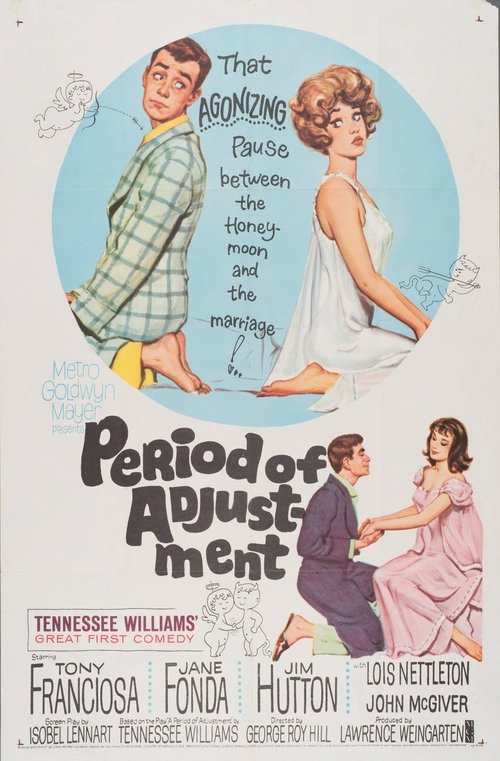
1962

1966
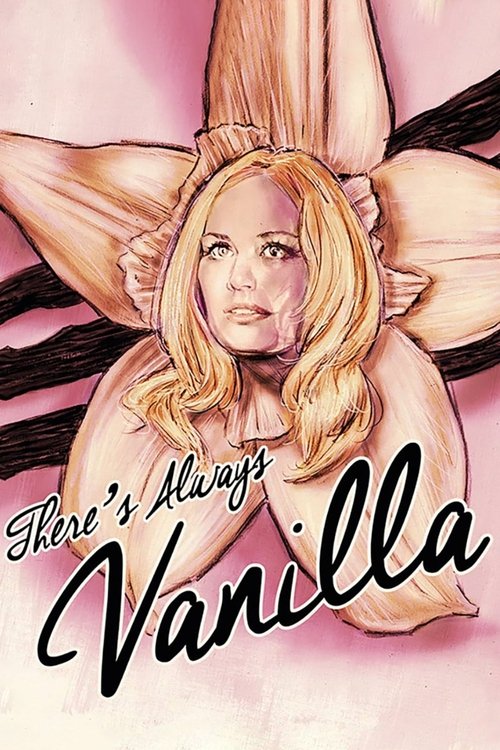
1971
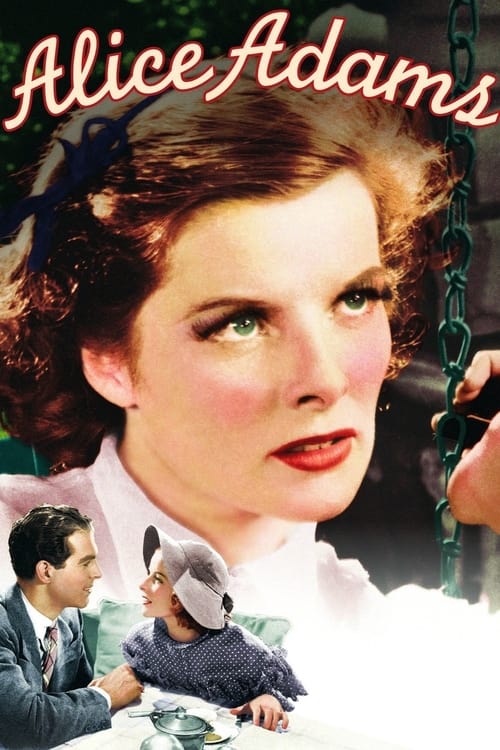
1935
1963
1960
2001

1972
No reviews yet. Be the first to share your thoughts on this movie!
Use the rating form above to leave a star rating and optional review.