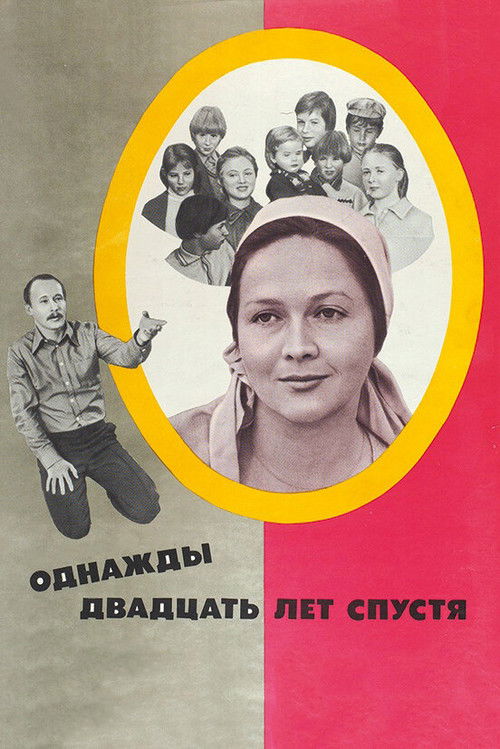
Once Upon a Time Twenty Years Later
1981
No user ratings available yet
Representation score: 4.5 out of 10
Representation Score
Limited
1966
Director
Yevgeni Karelov
Runtime
78 minutes
Average Rating
No ratings yetNew Showbiz Analysis
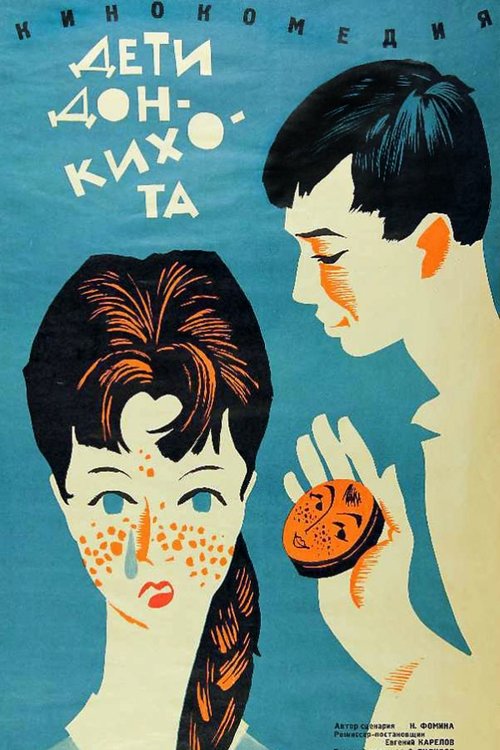
Children of Don Quixote is a character-driven narrative centered on moral idealism and communal responsibility. The narrative structure emphasizes the transmission of paternal values and the struggles of a large family to maintain a specific ethical code. While the film does not incorporate modern multi-layered elements, it successfully presents a nuanced moral landscape. It challenges the pragmatic status quo by focusing on a protagonist whose unconventional standards disrupt standard societal norms. However, the film remains anchored in traditional structures. Its emphasis on male lineage and a likely homogeneous ethnic cast limits its scope of representation by contemporary standards.
Category Breakdown
The film does not include explicit representations of non-binary genders or same-sex relationships. Instead, it focuses on traditional family bonds and strict moral codes within a large family unit.
The story revolves around a patriarchal figure and his sons, highlighting male lineage and paternal values. Although set in a maternity hospital, the main character arcs emphasize male-driven actions and decisions.
The cast likely reflects a uniform ethnic background typical of Soviet cinema from 1966. There is no indication of significant ethnic diversity or mixed-race representation within the central family.
The film presents a strong critique of conventional social structures through its idealistic protagonist. It prioritizes communal identity and subjective morality over individualistic or religious frameworks.
There are no visible or invisible disabilities highlighted as central to the character arcs or the plot progression.
Present on Screen
Limited or Absent
Official Synopsis
A film about the large family of the head of a maternity hospital. Living by very strict moral standards and nicknamed Don Quixote for this, he brings up his sons in the same spirit. And the sons turn out to be worthy of their father, although they often have to overcome various, both serious and comic, difficulties in life.
1981
1961
1974
1980
1918
1961

1961
1961
No reviews yet. Be the first to share your thoughts on this movie!
Use the rating form above to leave a star rating and optional review.