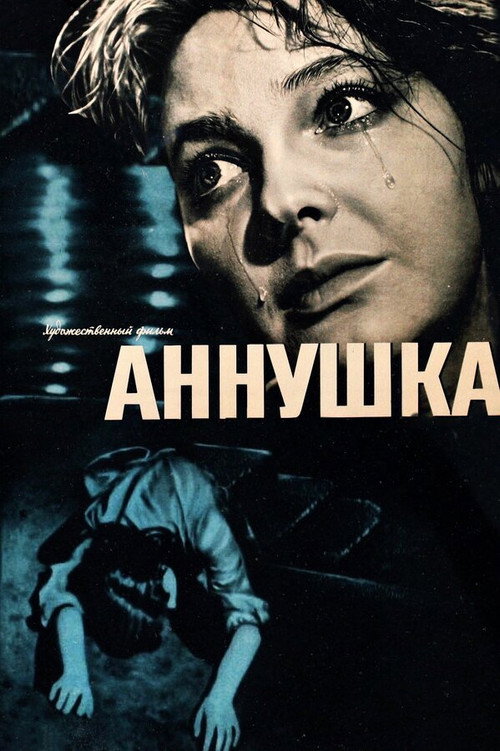
Annushka
1959
No user ratings available yet
Representation score: 2.7 out of 10
Representation Score
Fair
1966
Director
Viktor Turov
Runtime
105 minutes
Average Rating
No ratings yetNew Showbiz Analysis
Viktor Turovsky’s film is a period-specific study of post-war Belarus, prioritizing historical authenticity and the psychological impact of the Great Patriotic War. The narrative is deeply rooted in the specific ethnic and social realities of 1945, which limits its breadth in terms of racial and LGBTQ+ diversity. However, the film excels in its nuanced portrayal of collective resilience. It moves beyond simple propaganda to explore how systemic trauma reshapes human identity, particularly through the lens of children navigating a fractured reality. Ultimately, the work is a traditionalist portrayal of a specific time and place, finding its depth in the shared experience of a community rebuilding itself from ruin.
Category Breakdown
The film focuses on the survival and psychological recovery of a rural Soviet community. There are no non-traditional gender identities or same-sex relationships in the story.
Women are shown doing heavy labor and maintaining the village's social structure. These roles reflect historical necessities but also reinforce traditional gender roles.
The casting is very uniform, reflecting the specific Slavic ethnic context of a 1945 Belarusian village. The lack of diversity is due to historical accuracy rather than intentional exclusion.
The narrative emphasizes communal solidarity and collective survival over individual pursuits. It centers on the shared trauma of the peasants and the rebuilding of a devastated landscape.
The film explores invisible disabilities through the psychological trauma and emotional scars of the youth. It portrays this mental fragility with ability to act rather than depicting children as passive victims.
Present on Screen
Limited or Absent
Official Synopsis
Life is returning to normal in a half-ruined town in Belarus at the summer of 1945. The children are undernourished and emotionally scarred. The community displays solidarity and common sacrifice, as they recovered from the ravages of war.
1959
1948
1977

1959
1944

1967
1964
1985
No reviews yet. Be the first to share your thoughts on this movie!
Use the rating form above to leave a star rating and optional review.