The Confrontation
2006
No user ratings available yet
Representation score: 2.0 out of 10
Representation Score
Fair
2015
Director
Sergey Mokritsky
Runtime
110 minutes
Average Rating
No ratings yetNew Showbiz Analysis
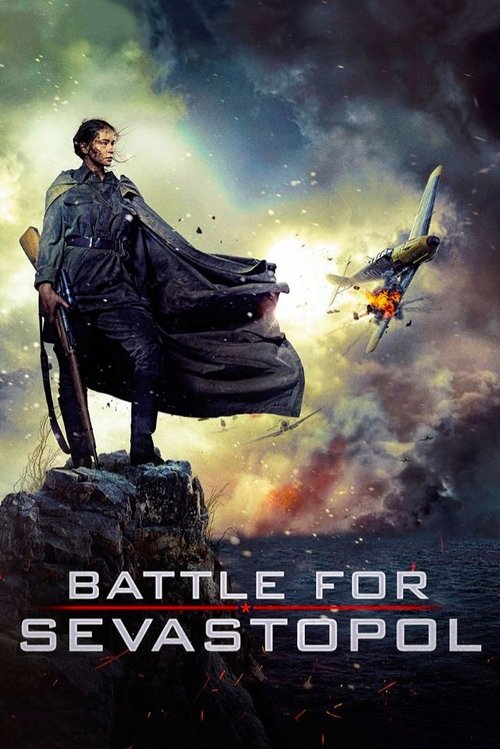
Battle for Sevastopol is a character-driven biographical film that excels in its portrayal of women's ability to drive the story. By focusing on a legendary female sniper, the film challenges conventional depictions of femininity through a lens of tactical strength and intellect. While the film provides a nuanced look at the intersection of nationality and gender, it is constrained by its historical setting. The lack of LGBTQ+ representation and the homogeneous casting reflect the era's demographic realities rather than intentional exclusion. Ultimately, the film succeeds as a historical reconstruction. It prioritizes the psychological weight of conflict and the cultural friction between the Soviet Union and the West over contemporary identity frameworks.
Category Breakdown
The film does not include any LGBTQ+ characters or representations of non-cisgender identities. It focuses solely on the Soviet war effort and mid-century diplomacy.
Lyudmila Pavlichenko serves as a strong female protagonist who challenges traditional gender roles. She demonstrates exceptional lethal skills and tactical intelligence in a male-dominated combat environment.
The casting reflects the demographic realities of the mid-20th century Soviet Union and United States. The film offers a non-Anglo-centric perspective but remains largely homogeneous.
The narrative explores the tension between Soviet identity and Western capitalist norms. It highlights the cultural disconnect experienced during Pavlichenko's diplomatic tour of America.
The film touches on the psychological impact of war, hinting at post-traumatic stress disorder. However, these elements serve the war setting rather than providing characters with independent ability to act.
Present on Screen
Limited or Absent
Official Synopsis
The story of Lyudmila Pavlichenko, the most successful female sniper in history.
2006
1972
1974
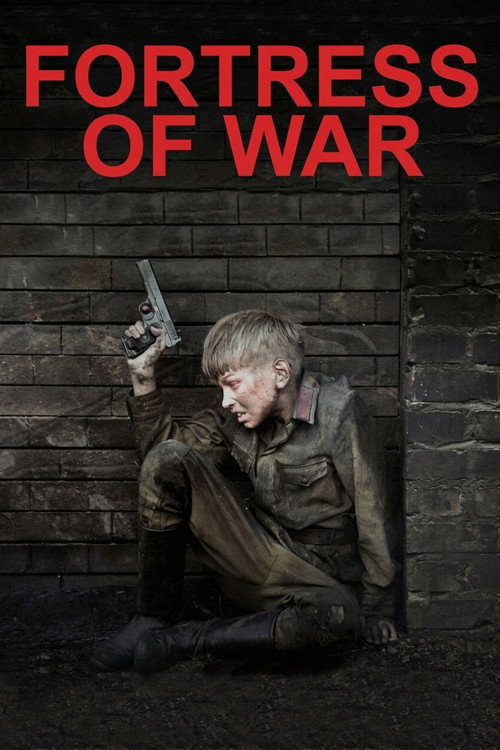
2010
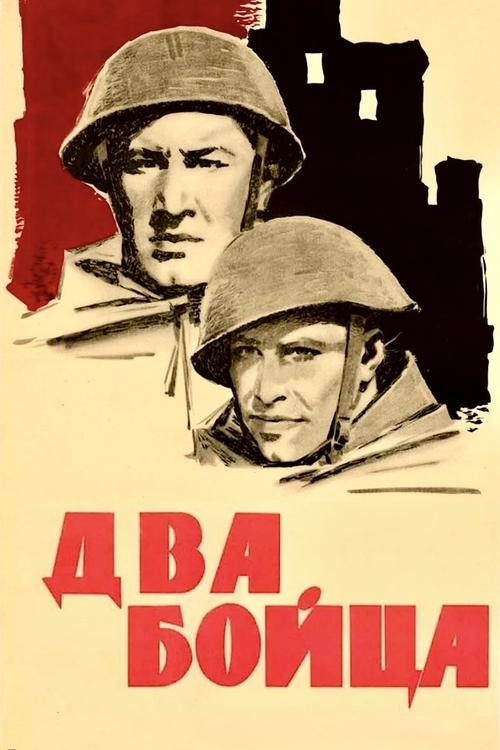
1943

2024
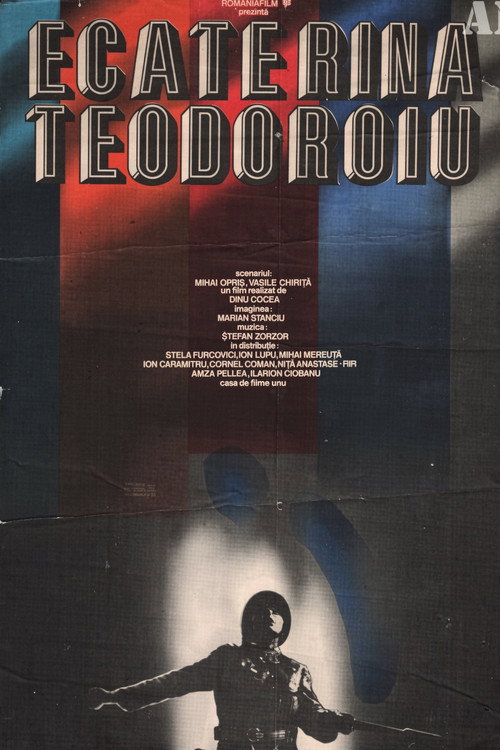
1979
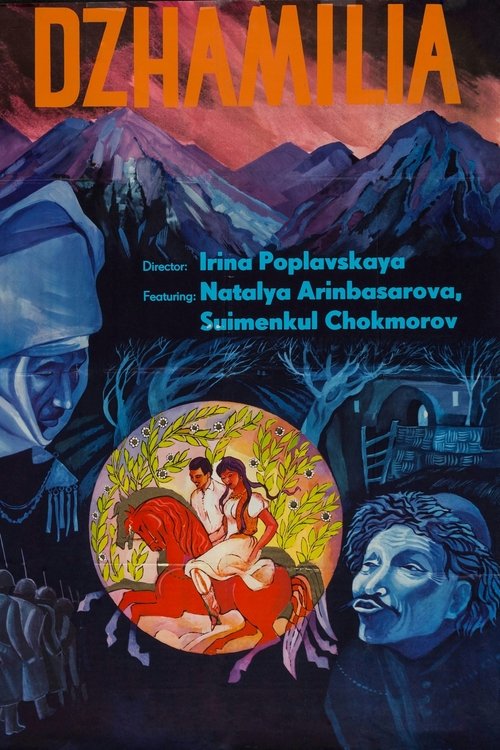
1969
No reviews yet. Be the first to share your thoughts on this movie!
Use the rating form above to leave a star rating and optional review.