
Hill 24 Doesn't Answer
1955
No user ratings available yet
Representation score: 3.9 out of 10
Representation Score
Fair
1986
PG-13Director
Moshé Mizrahi
Runtime
95 minutes
Average Rating
No ratings yetNew Showbiz Analysis
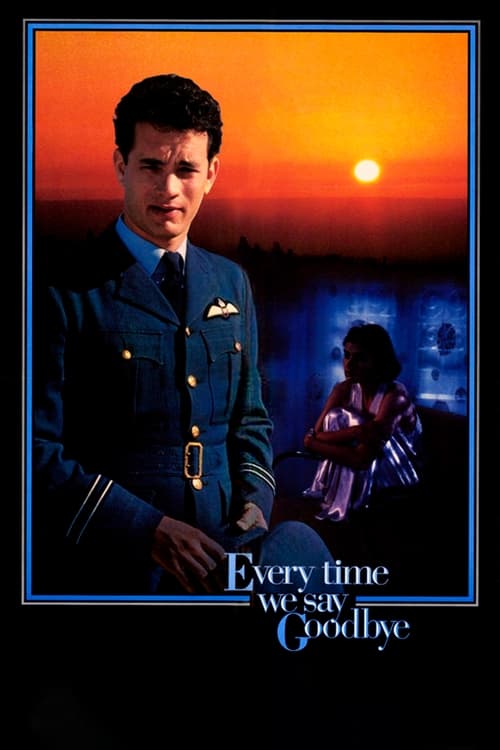
Every Time We Say Goodbye disrupts the standard mid-century romantic drama by focusing on diverse identities. By placing the tension between Protestant and Jewish backgrounds at the core of the plot, the film moves beyond the homogeneous Western identities often found in period pieces. The film also elevates the female experience, granting the protagonist emotional autonomy rather than relegating her to a passive role. This focus on ability to act provides a more nuanced look at how cultural and religious identities shape personal connections during wartime. However, the film's scope is limited by its narrow romantic focus. The absence of LGBTQ+ representation or disability-centric narratives prevents a more comprehensive exploration of human diversity.
Category Breakdown
The story focuses on a heterosexual romance between a Protestant pilot and a Jewish woman. There is no representation of LGBTQ+ identities or queer-coded narratives.
The film centers the emotional intelligence and active role of its female protagonist. It avoids mid-century clichés by prioritizing female perspectives and maternal bonds.
Jewish identity sits at the heart of the narrative conflict. The film challenges homogeneous Western defaults by granting Jewish characters a significant role in driving the story.
The narrative explores religious pluralism through the friction of different faith backgrounds. It avoids a monolithic moral framework within its historical context.
There is no evidence of physical or neurodivergent disability representation in the film.
Present on Screen
Limited or Absent
Official Synopsis
A Protestant World War II pilot and a Jewish girl fall in love in Jerusalem, even though their diverse backgrounds threaten to pull them apart.
1955

2002
1956
1958

1992

1957

2011

2018
No reviews yet. Be the first to share your thoughts on this movie!
Use the rating form above to leave a star rating and optional review.