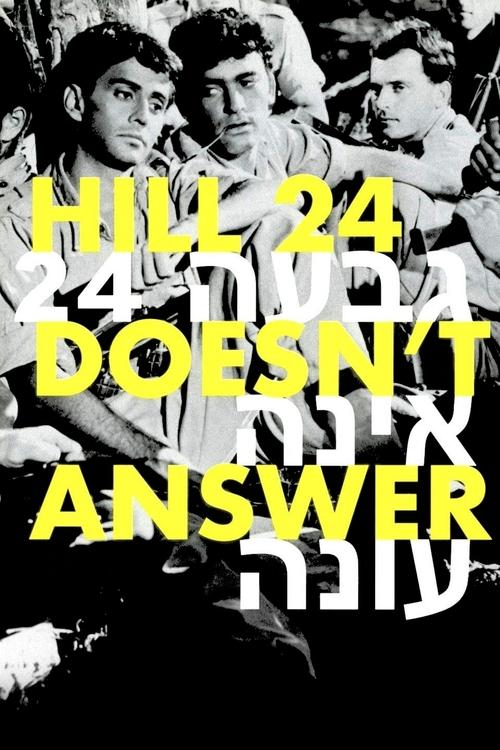
Hill 24 Doesn't Answer
1955
No user ratings available yet
Diversity score: 6.2 out of 10
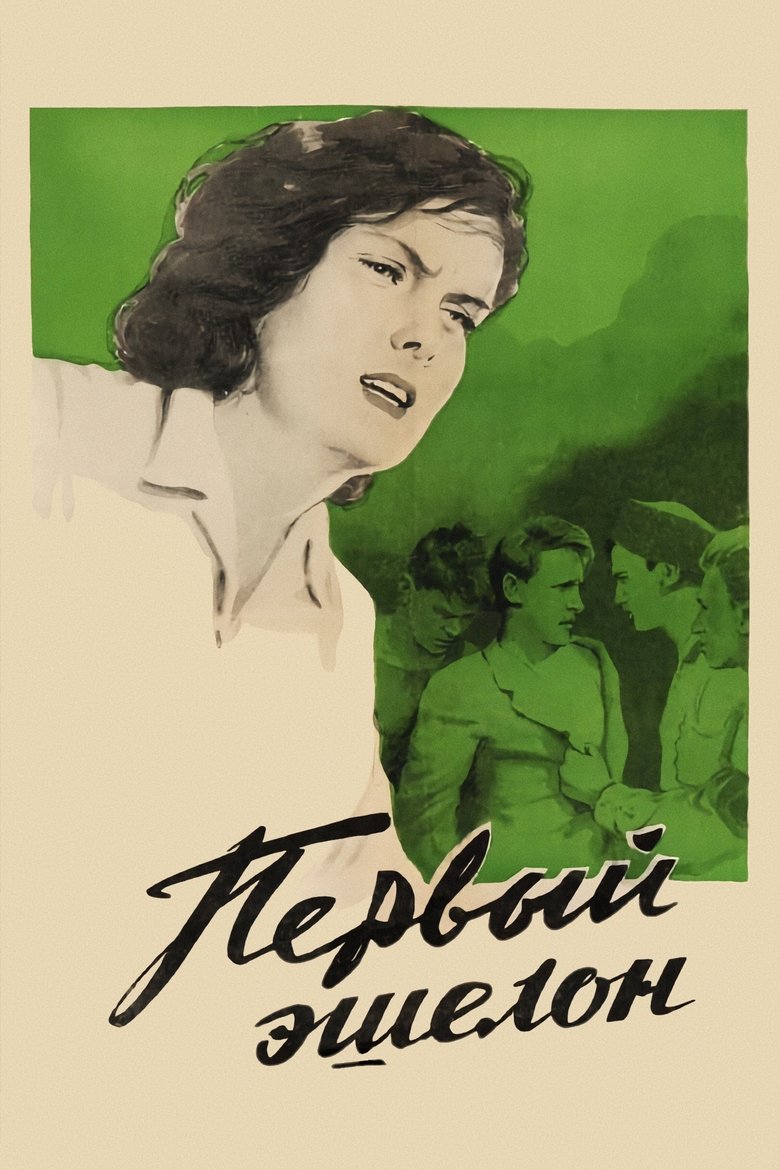
1955
Director
Mikheil Kalatozishvili
Runtime
114 minutes
Average Rating
No ratings yetSynopsis
In one of the steppe regions of Kazakhstan arrives on Komsomol youth squad. Severe frosts, spring mud flows, exhausting work than their specialty - the development of virgin land does not come easy. But the young are young - they work, enjoy life, fall in love. In the center of the story - the touching romance secretary of the Komsomol organization and tractor driver Anne.
Overall Score
Good
Category Breakdown
LGBTQ+ Representation
The narrative centers on a traditional romance between a Komsomol secretary and a tractor driver. It adheres to heteronormative structures without exploring non-cisnormative identities.
Gender Representation
Women occupy roles of significant agency and leadership. The protagonist, Anne, challenges domestic archetypes through her technical competence and physical labor as a tractor driver.
Racial & Ethnic Diversity
The Kazakh steppe setting provides a non-Western, multi-ethnic backdrop. The focus on land development suggests a diverse landscape that moves beyond Anglo-centric perspectives.
Religious & Cultural Diversity
The film prioritizes collectivism and socialist labor over Western individualist capitalism. It frames progress through state-led communal missions and the development of virgin lands.
Disability Representation
The story contains no mention of characters navigating physical or mental disabilities. Consequently, no representation is present in the narrative.
Strengths
Areas for Improvement
AI Analysis
The film excels at subverting Western-centric cultural norms by centering a communal, anti-capitalist mission in the Kazakh steppe. It provides a refreshing departure from individualist narratives, focusing instead on collective labor and state-driven progress. Gender representation is a notable strength, as women are depicted as skilled laborers and organizational leaders rather than passive figures. This disrupts traditional domestic hierarchies through characters like Anne, the tractor driver. However, the film remains tethered to traditional romantic structures. The focus on a singular, heteronormative romance limits the exploration of diverse sexual identities and social configurations.
1955
1960
1969
1943
1974
2006
1966
1991

1952
1966
1959
1966
No reviews yet. Be the first to share your thoughts on this movie!
Use the rating form above to leave a star rating and optional review.