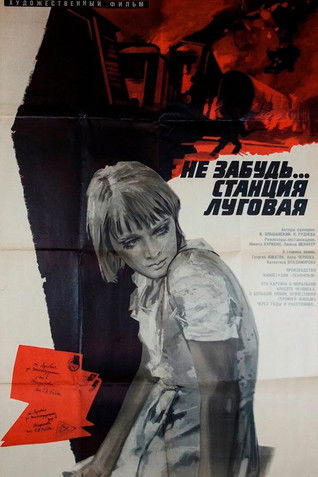
Don't Forget... Lugovaya Station
1966
No user ratings available yet
Representation score: 2.7 out of 10
Representation Score
Good
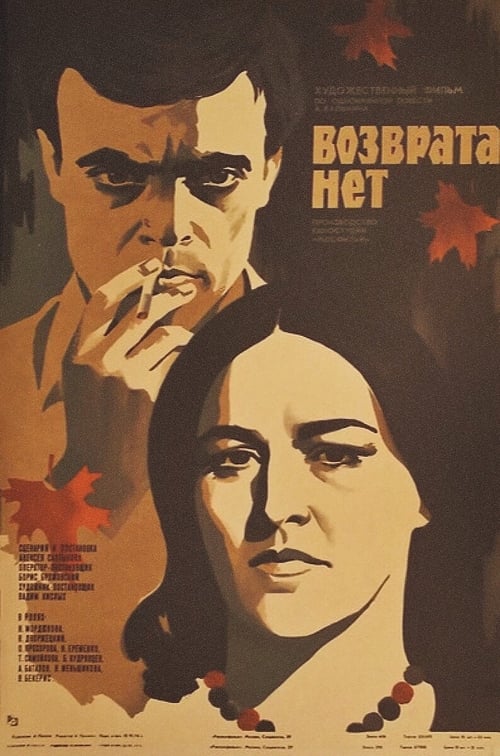
1974
Director
Alexey Saltykov
Runtime
95 minutes
Average Rating
No ratings yetNew Showbiz Analysis
No Return provides a compelling look at individual ability to act during wartime. The film's strength lies in its portrayal of Antonina, who prioritizes humanistic care over political orthodoxy despite systemic pressures. While the narrative lacks broad LGBTQ+ or multi-ethnic representation, it successfully depicts a woman navigating and resisting rigid institutionalism. The focus remains on personal ethics versus state suspicion.
Category Breakdown
The film focuses on a traditional heterosexual relationship between Antonina and Nikitin. There is no indication of any queer subtext or non-conforming gender identities in the story.
Antonina Kashirina plays a significant role in driving the story by choosing to shelter a wounded officer. She also leaves the party committee when her integrity is questioned, challenging passive feminine stereotypes.
Set in the Soviet WWII era, the film likely features an ethnically homogeneous cast. However, Antonina's identity as a Don Cossack adds a specific ethnic layer to the story.
The story explores the tension between individual morality and institutional authority. It portrays the Party committee as a source of suspicion rather than a moral guide.
The plot revolves around Nikitin's severe physical wounds. It is unclear whether his trauma is treated with nuanced ability to act or if it primarily serves as a romantic catalyst.
Present on Screen
Limited or Absent
Official Synopsis
According to the story of the same name by Anatoli Kalinin. The love story of Antonina and the battalion commander Nikitin, whom she sheltered after a severe wound. Antonina Kashirina is wanted to be excluded from the party, accusing the Don Cossack woman living in the territory occupied by the Germans during the war. They don't believe that she hid and treated a wounded Soviet officer. Unable to withstand insulting suspicions, she leaves the party committee bureau. On the way home, Tonya recalls how she picked up a bleeding artillery — the battalion commander Nikitin, she hid him and treated him as she fell in love...
1966
2002
1943
1972
1969
2006

2015
1981
No reviews yet. Be the first to share your thoughts on this movie!
Use the rating form above to leave a star rating and optional review.