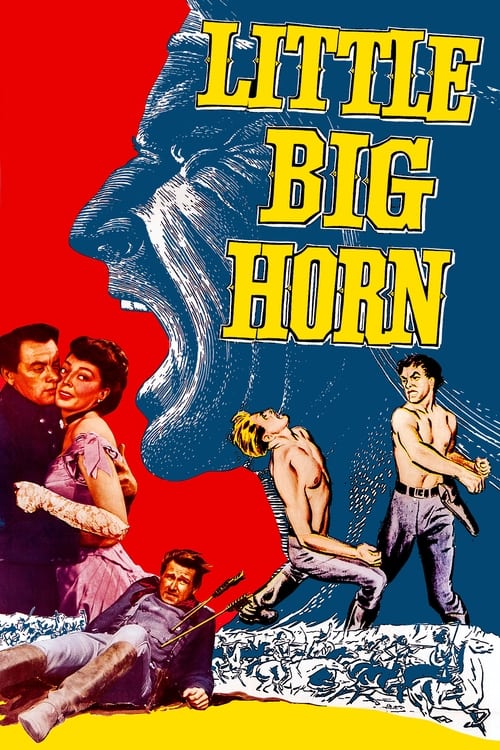
Little Big Horn
1951
No user ratings available yet
Representation score: 0.6 out of 10
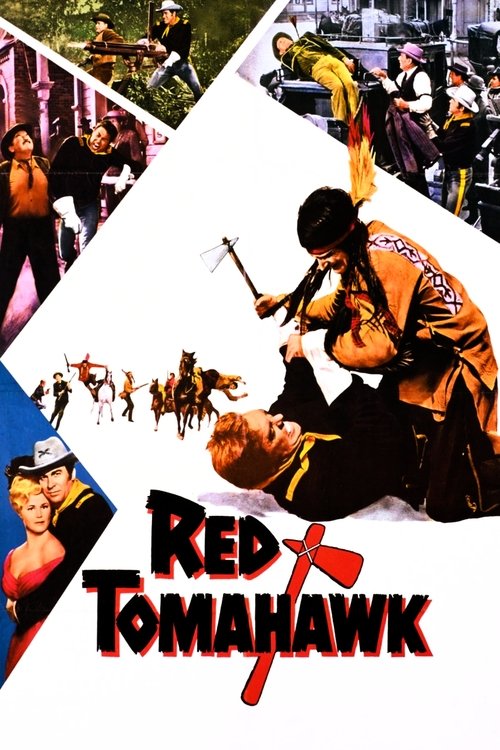
Representation Score
Minimal
1967
ApprovedDirector
R.G. Springsteen
Runtime
82 minutes
Average Rating
No ratings yetNew Showbiz Analysis
Red Tomahawk is a classic product of its time, adhering to established genre conventions. It relies heavily on familiar formulas that reinforce traditional social, racial, and gender hierarchies without challenging them. The film's structure centers on the masculine struggle for survival and territorial control, limiting the roles of women and Indigenous characters to narrow, conventional positions. Overall, the film supports the social norms of the 1960s. It does not delve into multi-layered identities or subvert mid-century power dynamics.
Category Breakdown
The film does not include any LGBTQ+ characters, sticking to a traditional framework typical of 1960s Westerns.
The narrative focuses almost entirely on male protagonists, while women are confined to traditional domestic roles, serving as secondary figures to the central masculine struggle.
The story uses a binary racial framework, portraying Indigenous tribes as antagonists. This reinforces a colonialist perspective with little character development for Native Americans.
The narrative upholds traditional Western institutions and values such as frontier survival and patriotism. It does not critique Western expansionism or systemic power structures.
The film does not incorporate any visible or invisible disabilities into the character arcs. Characters are defined solely by the physical requirements needed for frontier survival.
Present on Screen
Limited or Absent
Official Synopsis
After Custer's defeat an army captain tries to warn a small town that the Sioux are coming. The inhabitants own two machine-guns but don't want to lend them to him.
1951
1969
1954
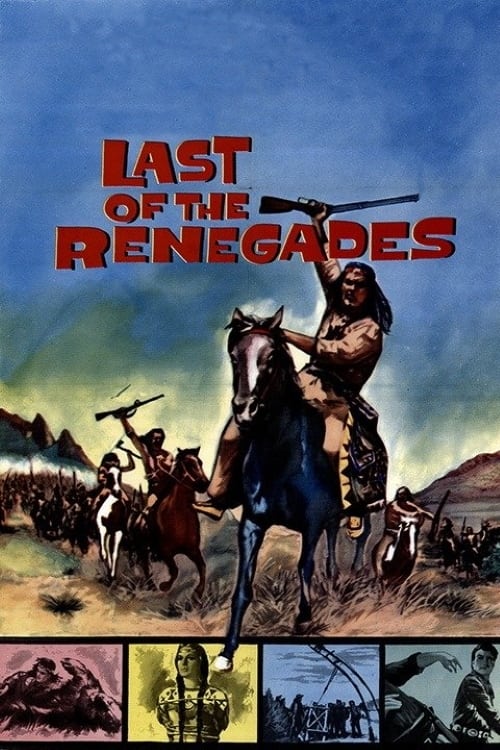
1964
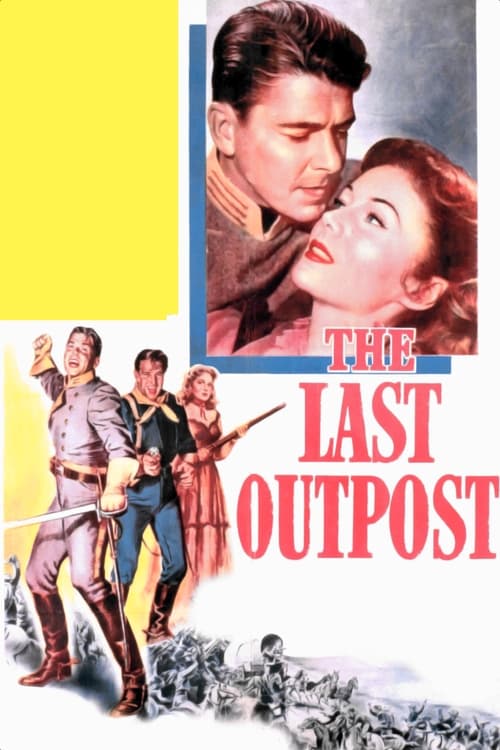
1951
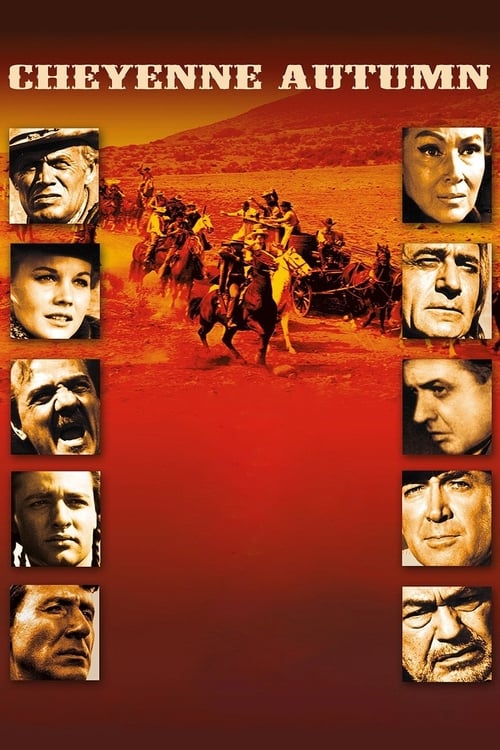
1964
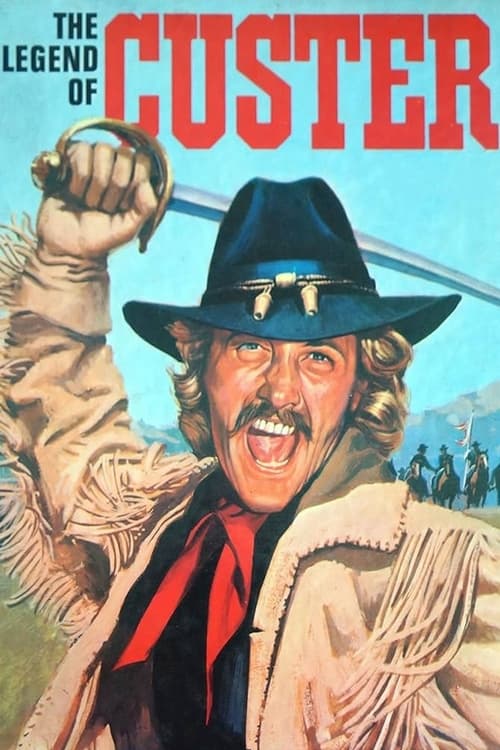
1968
1959
No reviews yet. Be the first to share your thoughts on this movie!
Use the rating form above to leave a star rating and optional review.