
She Wore a Yellow Ribbon
1949
No user ratings available yet
Representation score: 1.0 out of 10
Representation Score
Limited
1964
ApprovedDirector
John Ford
Runtime
157 minutes
Average Rating
No ratings yetNew Showbiz Analysis
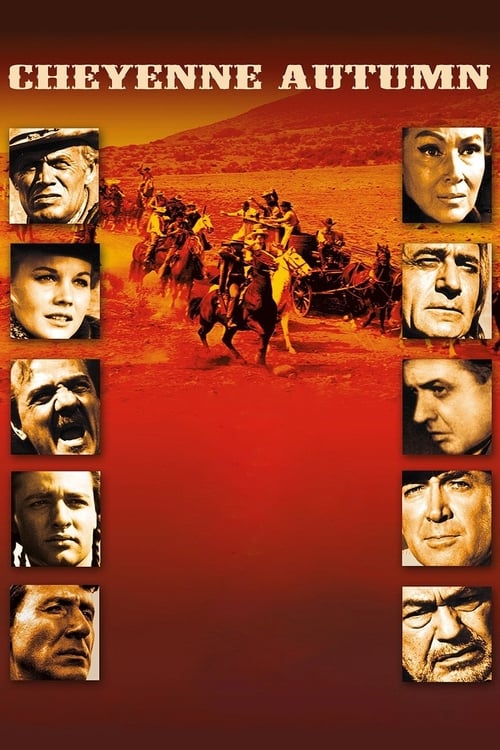
John Ford’s work here marks a significant departure from traditional Western clichés by deconstructing the myths he helped create. Instead of a triumphalist narrative, the film offers a somber examination of the human cost of frontier expansion and the impact of colonialism. By centering Indigenous ability to act and critiquing the institutional authority of the U.S. government, the film challenges the standard hero/villain dichotomy of the American frontier. However, it remains constrained by the social norms of 1964, maintaining rigid gender hierarchies and lacking any representation of queer identities or disability.
Category Breakdown
The film does not include any LGBTQ+ characters or non-straight relationships. It focuses solely on traditional masculine bonds and tribal structures.
The narrative emphasizes male-dominated hierarchies within both the Cavalry and Cheyenne warrior structures. Women primarily serve in domestic or supportive roles rather than driving the main storyline.
The Cheyenne are portrayed as central protagonists with significant influence and emotional depth. Using many Native American actors adds authenticity, challenging typical whitewashing of the era.
The film critiques Western expansionism by presenting the Cavalry as a disruptive force causing displacement. It highlights the survival of a displaced culture over nationalistic glorification.
There are no prominent depictions of visible or invisible disabilities that significantly impact the plot or character development.
Present on Screen
Limited or Absent
Official Synopsis
A reluctant cavalry Captain must track a defiant tribe of migrating Cheyenne.
1949
1965
1961
1954
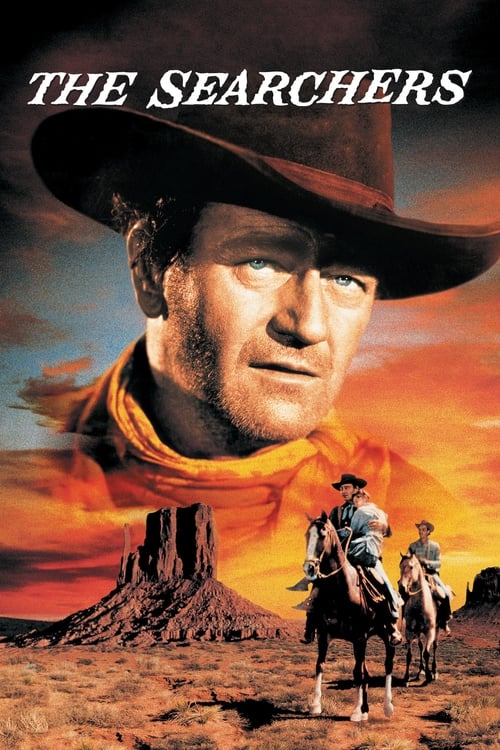
1956
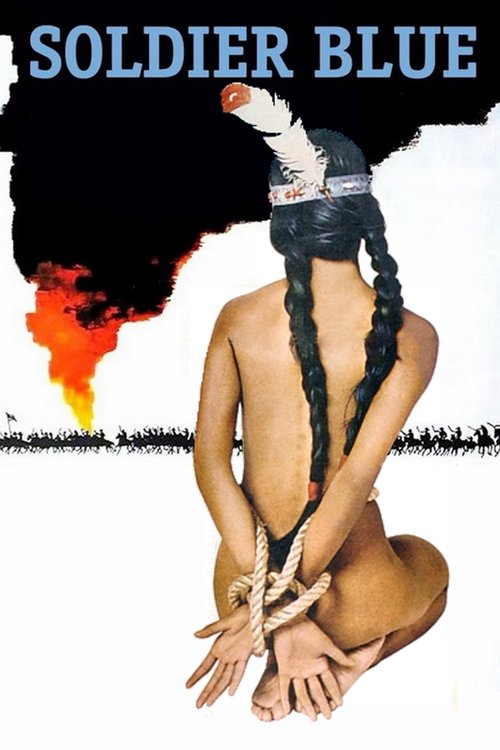
1970
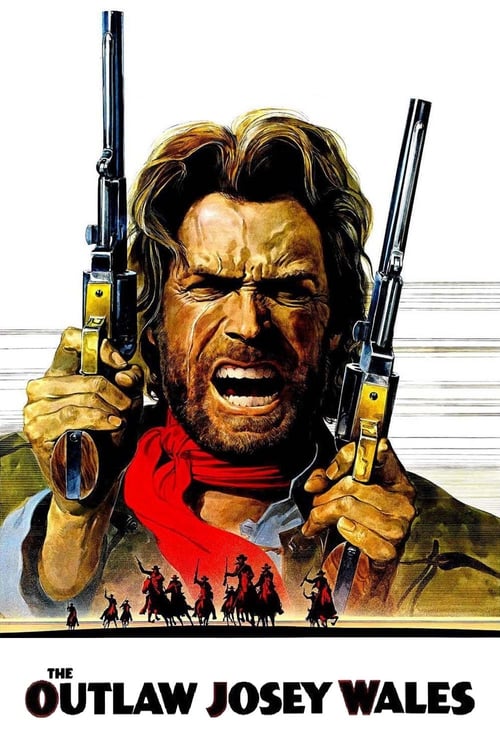
1976
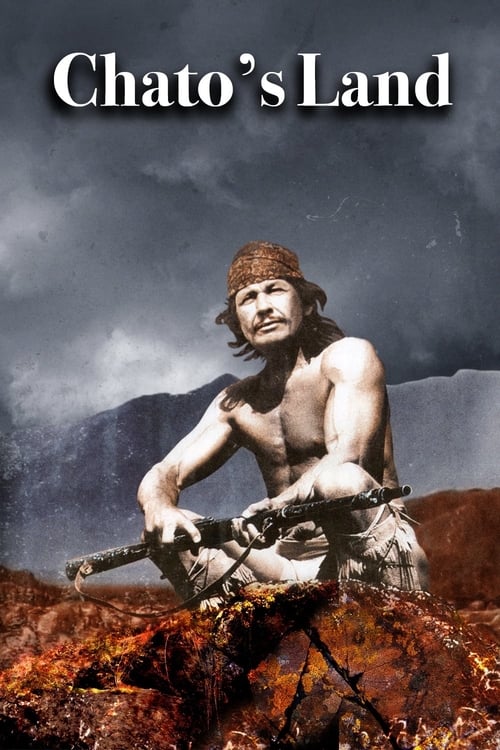
1972
No reviews yet. Be the first to share your thoughts on this movie!
Use the rating form above to leave a star rating and optional review.