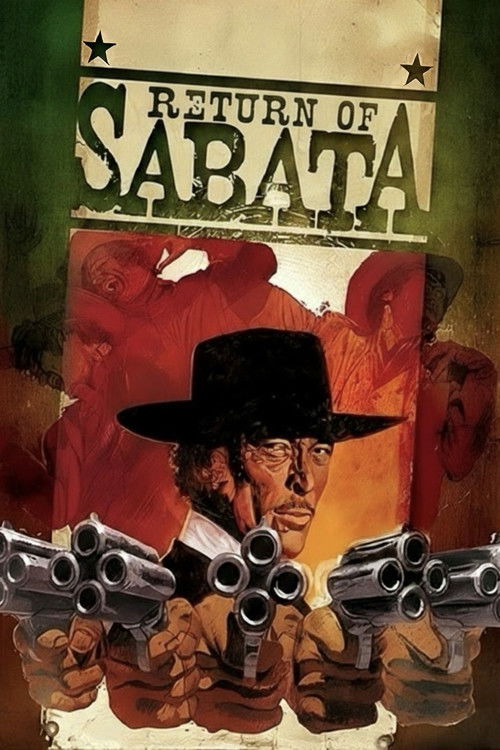
Return of Sabata
1971
No user ratings available yet
Representation score: 1.0 out of 10
Representation Score
Minimal
1969
PG-13Director
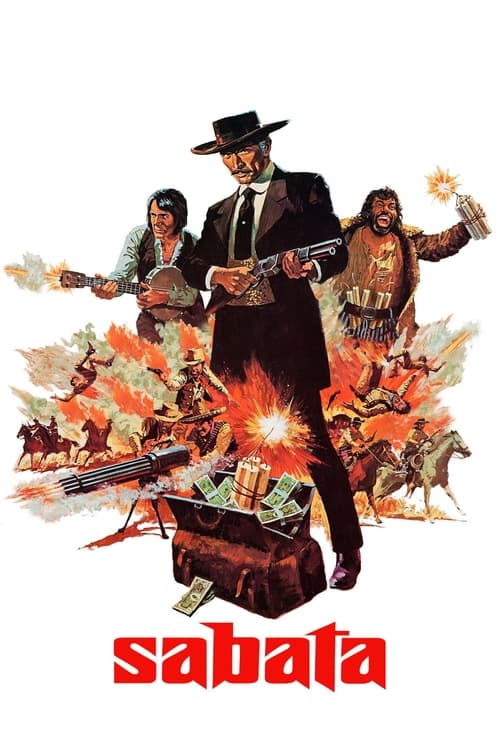
Gianfranco Parolini
Runtime
106 minutes
Average Rating
No ratings yetNew Showbiz Analysis
Sabata is a classic Spaghetti Western that emphasizes individual heroism over social complexity. It centers on masculine archetypes and passive female roles, reinforcing traditional gender roles. The predominantly white cast reflects the demographic norms of the time, with limited representation of people of color. The film focuses on personal survival rather than broader social issues.
Category Breakdown
The film follows traditional assumptions that everyone is straight and cisgender, with no representations of diverse sexual orientations or gender identities.
Men dominate the narrative, focusing on strong, masculine characters. Women play minor, passive roles and do not significantly influence the plot.
The cast is mainly white and Anglo-Saxon, lacking significant representation of people of color. Characters of color have limited impact on the story.
Corruption within Western institutions is explored, but through the lens of individual survival rather than a broader social critique.
There are no visible or invisible disabilities depicted. Characters are defined by their physical strength and combat skills.
Present on Screen
Limited or Absent
Official Synopsis
Several pillars of society have robbed an Army safe containing $100,000 so they can buy the land upon which the coming railroad will be built. But they haven't reckoned on the presence of the master gunslinger, Sabata.
1971

1967

1968
1963
1970
1972
1970
1973
No reviews yet. Be the first to share your thoughts on this movie!
Use the rating form above to leave a star rating and optional review.