War Party
1965
No user ratings available yet
Representation score: 0.6 out of 10
Representation Score
Minimal
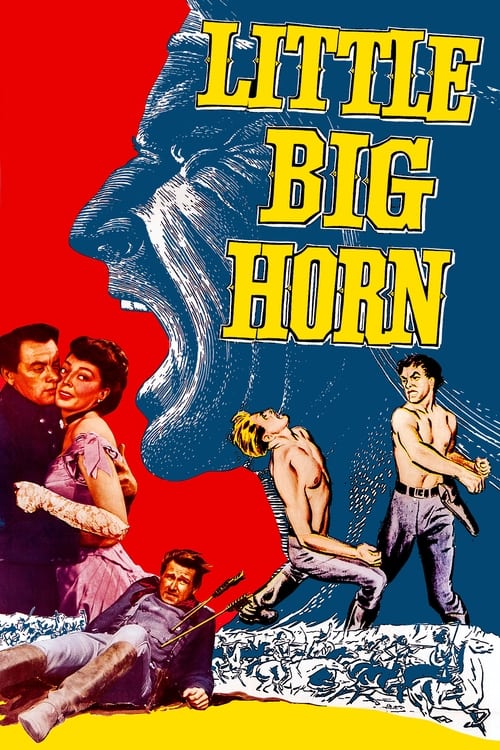
1951
Not RatedDirector
Charles Marquis Warren
Runtime
86 minutes
Average Rating
No ratings yetNew Showbiz Analysis
Little Big Horn is a typical mid-20th-century Western that adheres strictly to the genre's traditional conventions. The narrative structure emphasizes military hierarchy and the execution of orders, reinforcing the institutional status quo of the era. The film lacks complexity in its portrayal of diverse identities, offering no subversion of established social or cultural norms. Characters primarily serve the plot's military objectives rather than representing varied lived experiences. Ultimately, the work reflects the era's cinematic norms, focusing on the clash of civilizations through a narrow, patriarchal, and archetypal lens.
Category Breakdown
The film focuses on military structures and does not engage with queer identities or non-binary gender expressions.
Women are confined to secondary, domestic roles without any significant influence on the plot. The narrative centers on male-dominated military command.
Indigenous characters play a central role in the historical conflict but are portrayed using outdated stereotypes. The cast remains predominantly white.
The film highlights military authority and institutional order. It presents Western expansionism through a standard historical dramatization without moral relativism.
There is no focus on physical, sensory, or neurodivergent disabilities. Characters are defined solely by their military rank and combat utility.
Present on Screen
Limited or Absent
Official Synopsis
Two cavalry officers (Lloyd Bridges, John Ireland) lead a patrol to warn Gen. Custer about an ambush.
1965
1966

1953
1939
1967

1949
1968
1955
No reviews yet. Be the first to share your thoughts on this movie!
Use the rating form above to leave a star rating and optional review.