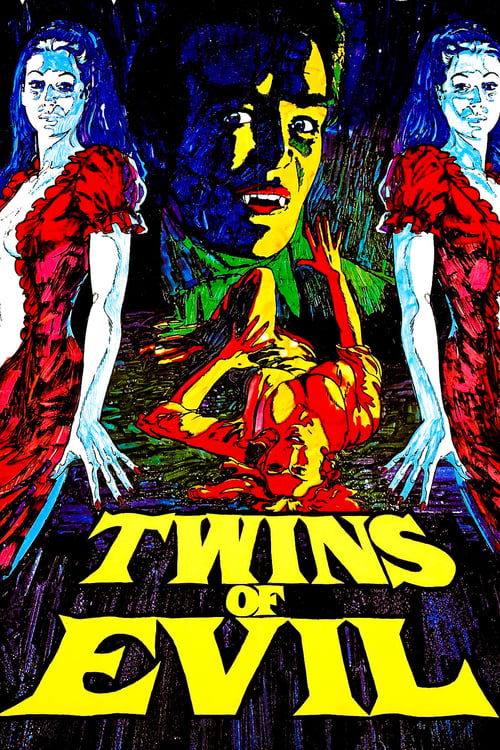
Twins of Evil
1971
No user ratings available yet
Representation score: 1.1 out of 10
Representation Score
Limited
1971
RDirector
Piers Haggard
Runtime
97 minutes
Average Rating
No ratings yetNew Showbiz Analysis
The film is a study in folk horror that emphasizes atmospheric dread and the breakdown of social cohesion over demographic diversity. It does not intentionally represent multi-layered identities or use diverse casting, staying true to its historical context. However, the narrative structure questions traditional authority by depicting the collapse of communal norms and the ineffectiveness of religious hierarchies. This challenges the perceived stability of the traditional Western social order. Ultimately, the film focuses on the vulnerability of established social structures when faced with chaotic, primal forces, rather than offering overt social commentary through diverse characterizations.
Category Breakdown
The film is set in a 17th-century framework where there are no depictions of LGBTQ+ identities or non-assuming gender matches what was assigned at birth characters.
The film upholds traditional patriarchal hierarchies but challenges the expectation of female passivity. Young women play a significant role in driving the chaotic plot progression.
The cast is primarily white and homogeneous, reflecting the 17th-century English setting. The film does not include diverse ethnic representation or race-bent casting.
The narrative critiques Western institutions by showing religious structures as ineffective against chaos. It suggests traditional morality is inadequate to manage primal human instincts.
The film does not provide meaningful representation of disability or neurodivergence. Instead, possession is used as a supernatural plot device.
Present on Screen
Limited or Absent
Official Synopsis
After a landsman in 18th century England discovers a corpse covered in fur buried in a field, the town becomes infected by "the devil's skin," leading the local children to engage in demonic rituals and criminal behavior.
1971
1966
2006
1968
1996
1963
1970
1961
No reviews yet. Be the first to share your thoughts on this movie!
Use the rating form above to leave a star rating and optional review.