Love-Hotel in Tirol
1978
No user ratings available yet
Representation score: 1.8 out of 10
Representation Score
Minimal
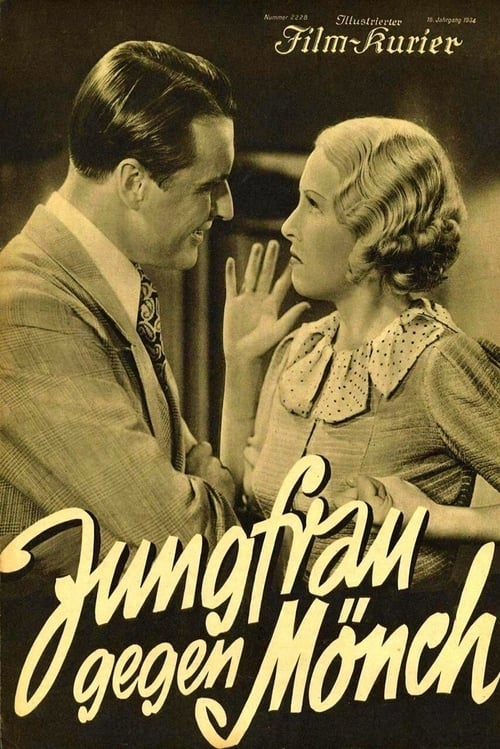
1934
PassedDirector
E.W. Emo
Runtime
84 minutes
Average Rating
No ratings yetNew Showbiz Analysis
Maiden vs. Monk is a period comedy that emphasizes traditional rivalry over social critique. While the protagonist, Mutz, stands out due to her business ambitions, the film remains within the social norms of its time. The story lacks complexity, focusing on local competition and family inheritance. It serves as conventional entertainment that upholds existing social hierarchies. Overall, the film's narrow focus on heterosexual norms and ethnic homogeneity creates a limited viewing experience.
Category Breakdown
The film depicts a typical romance between Mutz and Konrad, without showing any non-cisgender identities or same-sex relationships. It sticks to the heterosexual norms of 1934 cinema.
Mutz Hagedorn inherits a business and competes with a male rival, showing her economic independence. However, the conflict focuses on romantic competition rather than breaking down traditional gender roles.
The film's setting and cast seem ethnically uniform, centered around local family conflicts near Lake Constance. There is no indication of racial diversity or varied casting.
The story revolves around private property, inheritance, and regional rivalry, reinforcing traditional social structures and family importance without questioning established norms.
There is no mention of characters with physical or neurodivergent disabilities in this production.
Present on Screen
Limited or Absent
Official Synopsis
Mutz Hagedorn has just graduated from grammar school, much to the delight of her aunt Jenny, who cares for her like a mother. Then she learns from notary Strohbein that she has inherited the hotel “Zur Jungfrau” from her uncle, it is located on Lake Constance in Üttlisborn. On the way there, she meets the winsome Konrad on the train. Both have the same destination, only at the train station, their paths split. When she then stands before “her” hotel, she’s appalled. The “Jungfrau” is an old, dilapidated eyesore, because people with taste put up at the “Mönch”, which is owned by the Leitner family. Both families have been at odds with each other for years. Then, Mutz learns from Konrad that he as well is a Leitner and the owner of the “Mönch”. Now, she wants to be victorious, win the trial once and for all. Konrad accepts the challenge. Firstly, the “Jungfrau” is turned into a modern hotel in no time.
1978

1934
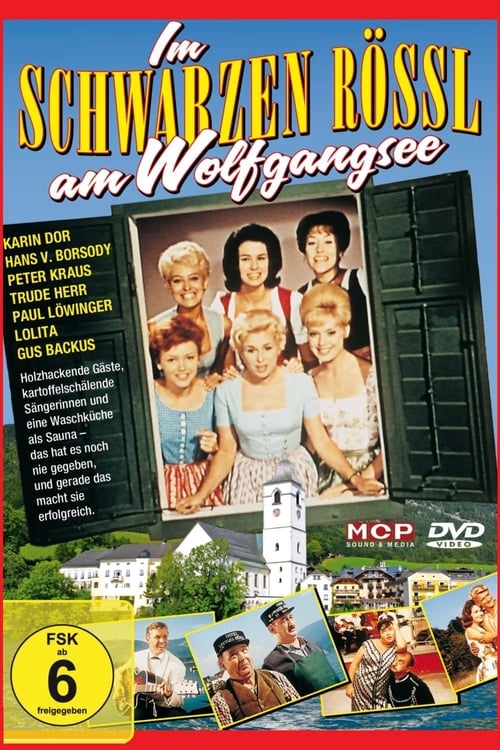
1961
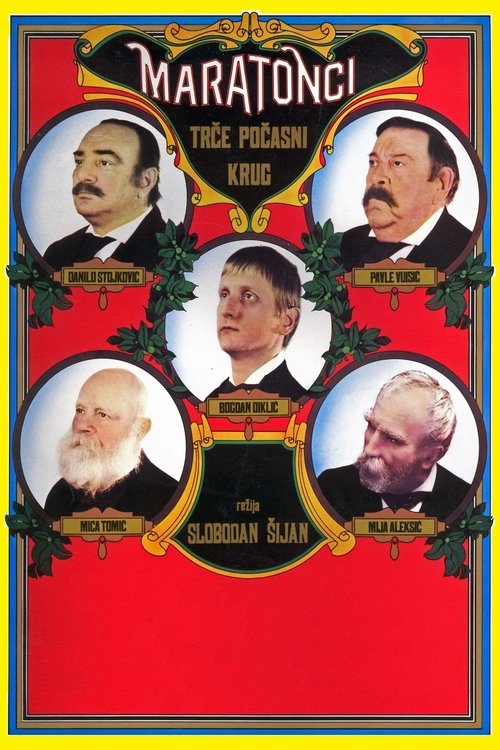
1982

1997
1937
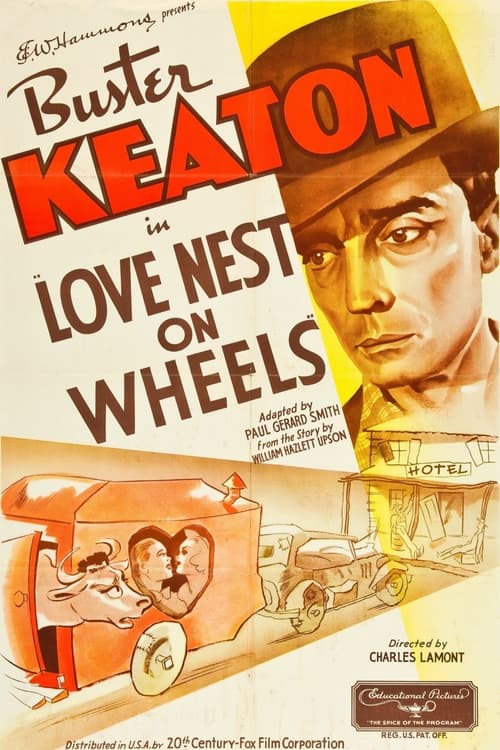
1937

2018
No reviews yet. Be the first to share your thoughts on this movie!
Use the rating form above to leave a star rating and optional review.