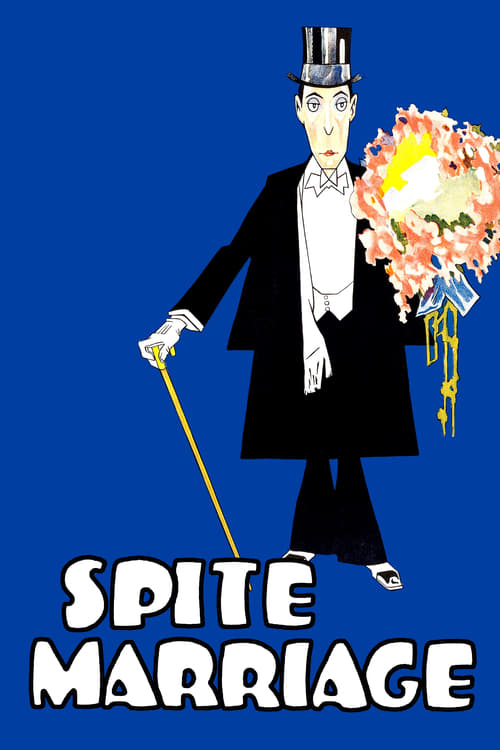
Spite Marriage
1929
No user ratings available yet
Representation score: 1.6 out of 10

Representation Score
Minimal
1929
PassedDirector
Arvid E. Gillstrom
Runtime
21 minutes
Average Rating
No ratings yetNew Showbiz Analysis
Melancholy Dame is a conventional silent-era comedy that relies on well-established clichés of domestic jealousy and workplace competition. The plot centers on a wife's plan to have her husband's star singer fired, emphasizing interpersonal conflict over broader social critiques. The film strictly adheres to the social and narrative conventions of 1929. It serves as a traditional period piece that does not aim to disrupt expectations regarding identity or social hierarchies. Ultimately, the work focuses on localized drama rather than exploring broader social or gendered power dynamics.
Category Breakdown
The film does not include any characters with non-straight identities or same-sex relationships. The main conflict revolves around traditional marriage dynamics.
Although female characters play key roles in driving the plot, their involvement is confined to domestic and emotional conflicts. Their portrayal may reinforce stereotypes of unstable or emotionally erratic women.
The cast lacks diversity and includes only Anglo-Saxon actors. The film adheres to the homogeneous casting standards prevalent during its time period.
Themes of jealousy and nightclub settings align with typical Western social concerns. The story follows conventional moral frameworks common in early Hollywood.
There is no mention of characters with visible or invisible disabilities in the film.
Present on Screen
Limited or Absent
Official Synopsis
A nightclub owner's wife, jealous of his attentions to his star singer, schemes to get her fired.
1929
1933
1927
1930
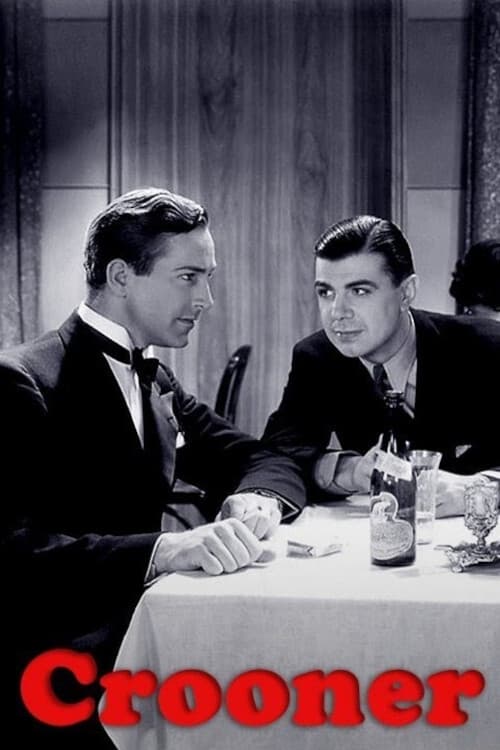
1932
1937
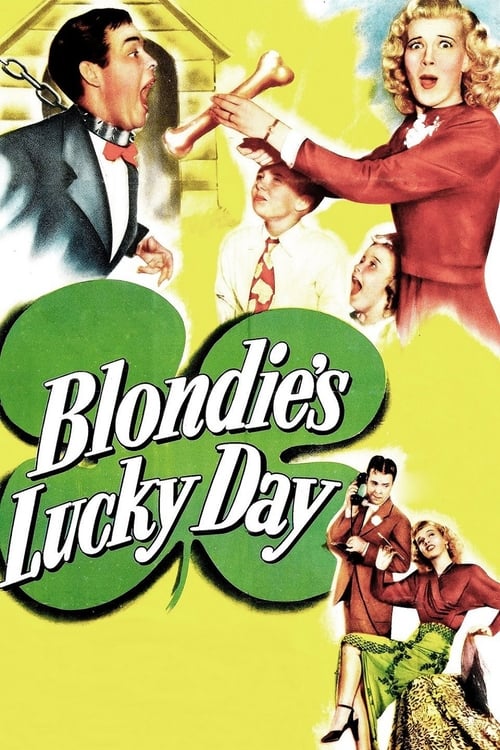
1946
1935
No reviews yet. Be the first to share your thoughts on this movie!
Use the rating form above to leave a star rating and optional review.