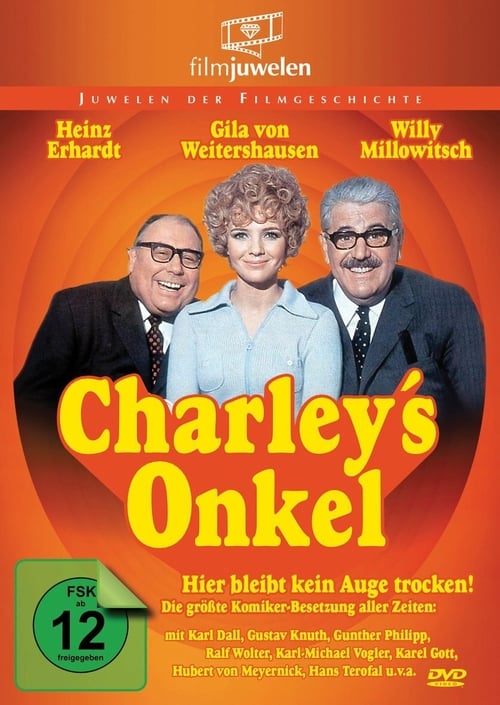
Charleys Onkel
1969
No user ratings available yet
Representation score: 1.7 out of 10
Representation Score
Minimal
1959
Director
Hans Deppe
Runtime
90 minutes
Average Rating
No ratings yetNew Showbiz Analysis
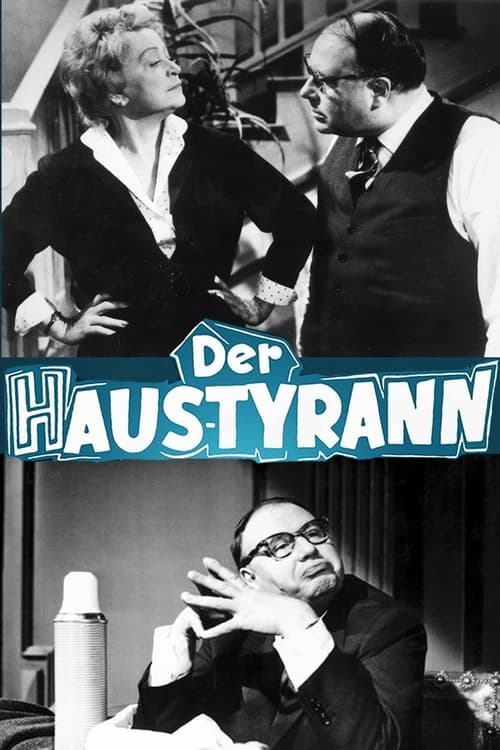
Der Haustyrann is a mid-century comedy that operates strictly within the social hierarchies of its era. While it offers a slight critique of the respected patriarch by depicting Paul Perlacher as a social pariah, this critique remains focused on individual character flaws rather than systemic issues. The film lacks complexity in representing different aspects of identity, presenting a world that is racially and culturally homogeneous. The resolution of conflict through legal institutions suggests a reinforcement of the existing social order rather than a challenge to it. Ultimately, the film serves as a period-typical entertainment that prioritizes traditional romantic and familial structures over progressive representation.
Category Breakdown
The film does not include any LGBTQ+ characters or narratives that challenge the assumption that everyone is straight or cisgender.
Amalie Hartning shows significant strength and resilience against a tyrannical landlord. While women are often defined by their relational roles, the film challenges traditional masculine authority by portraying the male lead as ineffective.
The production reflects the homogeneous demographic standards of 1959 West German cinema. There is no indication of racial blending or diverse characters in roles of high ability to act.
The story centers on landlord-tenant conflicts and legal disputes. It reinforces a traditional moral order where institutional corrections, such as court orders, resolve antisocial behavior.
The narrative contains no mention of characters with visible or invisible disabilities.
Present on Screen
Limited or Absent
Official Synopsis
Cafe owner Paul Perlacher is a real pig: not only are his daughter and sister Trude embarrassed constantly by his disgusting behavior, but his tenants are subjected to every legal trick under the Sun to get them to move out. Nevertheless, Amalie Hartning's a stubborn woman and can take care of herself well when it comes to her tyrannical landlord. If that weren't enough for Paul, his daughter's gone and fallen in love with the nephew of this pain in rear! And when Paul's ordered to jail by the courts, that really is the last straw.
1969
1990
1970

1985

1999
1966
1962

1982
No reviews yet. Be the first to share your thoughts on this movie!
Use the rating form above to leave a star rating and optional review.