
Passing Fancy
1933
No user ratings available yet
Representation score: 5.3 out of 10
Representation Score
Limited
1931
Director
Yasujirō Ozu
Runtime
91 minutes
Average Rating
No ratings yetNew Showbiz Analysis
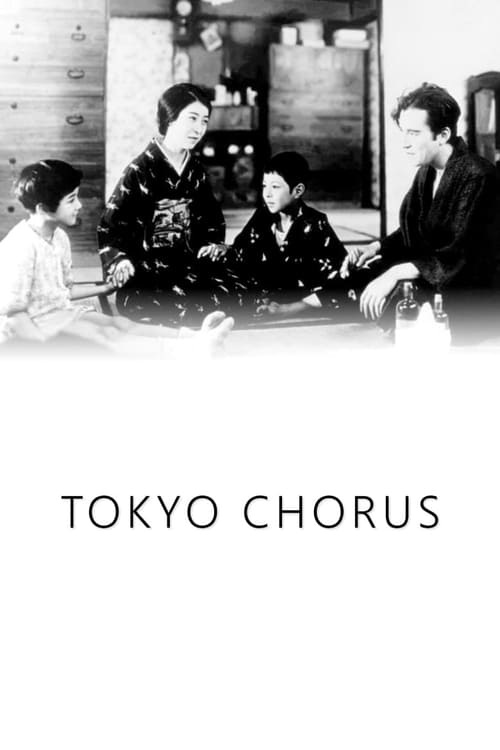
Tokyo Chorus is a foundational shomingeki that examines the tension between individual morality and systemic economic structures. While it lacks modern multi-layered diversity, it provides a sophisticated look at the vulnerabilities of the working class during the Great Depression. The film's strength lies in its social commentary regarding the indifference of urban capitalism. However, it remains firmly rooted in the traditional gender and social hierarchies of 1931 Japan, offering little subversion of period-specific norms. Ultimately, the work serves as a culturally authentic portrait of a specific era, prioritizing systemic critique over diverse character representation.
Category Breakdown
The film does not include any LGBTQ+ characters or narratives. It focuses on the domestic and economic struggles of a central family unit.
The narrative emphasizes the male protagonist's role as a provider, adhering to traditional gender hierarchies and social expectations of the time.
The cast is culturally homogeneous, reflecting its specific Japanese historical context. It maintains cultural authenticity without imposing Western casting norms.
The story offers a nuanced critique of modern capitalism and urban modernity. It highlights the friction between rural traditions and the pressures of the city.
There are no prominent depictions of physical or neurodivergent disabilities in the narrative.
Present on Screen
Limited or Absent
Official Synopsis
During the Depression, a young man struggles to provide for his family after he is sacked for defending an older colleague.
1933
1932
1957
1958
1949
1928
1952
1936
No reviews yet. Be the first to share your thoughts on this movie!
Use the rating form above to leave a star rating and optional review.