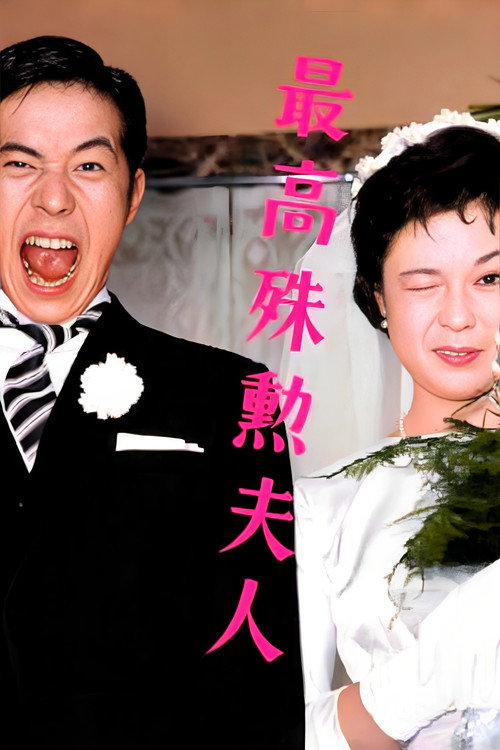
The Most Valuable Wife
1959
No user ratings available yet
Representation score: 5.5 out of 10
Representation Score
Limited
1958
GDirector
Yasujirō Ozu
Runtime
118 minutes
Average Rating
No ratings yetNew Showbiz Analysis
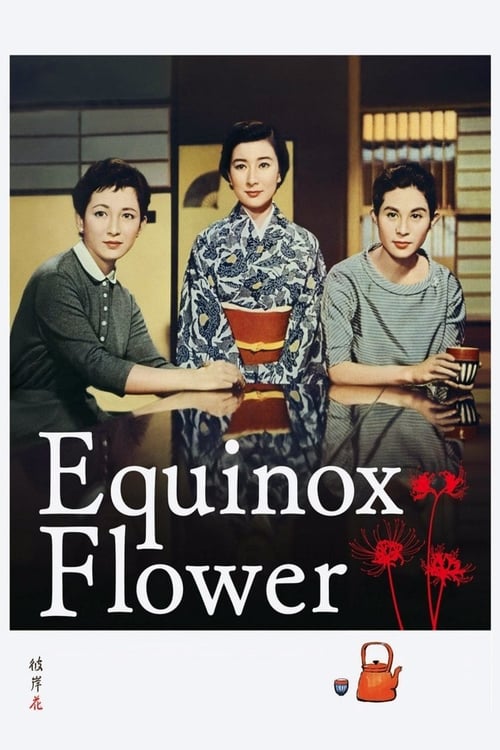
Equinox Flower is a sophisticated exploration of the tension between traditional social structures and individual autonomy in post-war Japan. It excels in the domestic setting, using family dynamics to examine shifts in power balance. The film challenges traditional masculine leadership by highlighting women's strategic roles. By positioning women as the primary influencers of the family's emotional landscape, the story redefines the traditional power structure. However, the film is limited by its focus on a specific, homogeneous Japanese cultural context. It lacks representation of LGBTQ+ identities, racial diversity, and disability as narrative elements.
Category Breakdown
The film adheres to an assumption that everyone is straight or cisgender. It does not include narratives that challenge this perspective through queer viewpoints.
The movie disrupts traditional male dominance by emphasizing women's ability to drive the story. Women are not passive; they have emotional independence that propels the plot forward.
The film portrays a uniform Japanese society. It highlights the specifics of middle-class Japanese life during a time of national change.
The story examines the conflict between social norms and personal freedom. The daughter's rejection of an arranged marriage questions strict, traditional social agreements.
The film does not prominently feature visible or invisible disabilities that play a central role in the narrative.
Present on Screen
Limited or Absent
Official Synopsis
Wataru's outwardly liberal views on marriage are severely tested when his daughter declares her love for a coworker and is adamant to live her own way, instead of agreeing to an arranged marriage. Outwitted by his female relatives, Hirayama stubbornly refuses to admit defeat.
1959

1960
1949
1952
1931
1952
1967

1933
No reviews yet. Be the first to share your thoughts on this movie!
Use the rating form above to leave a star rating and optional review.