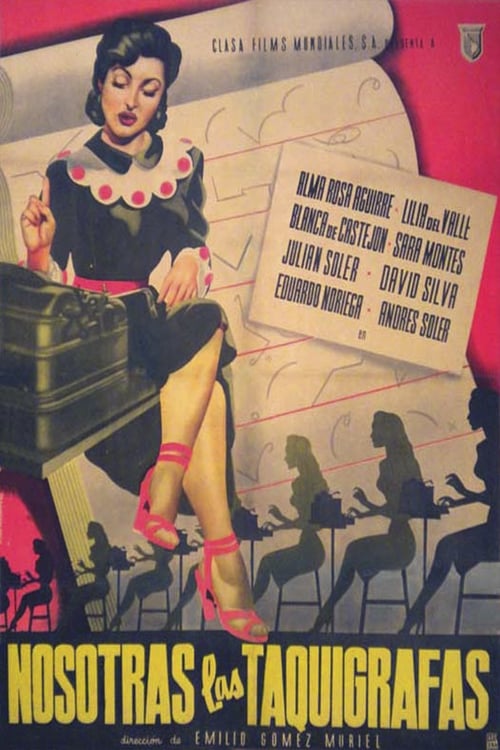
Nosotras, las taquígrafas
1950
No user ratings available yet
Representation score: 4.5 out of 10

Representation Score
Fair
1938
Director
Manuel Romero
Runtime
87 minutes
Average Rating
No ratings yetNew Showbiz Analysis
Manuel Romero’s film looks at how social status changes when a wealthy woman moves into a pension with working-class residents. This storyline breaks down class barriers and explores how gender and work intersect in 1930s Argentina. By focusing on a group of working women, the film highlights their active roles and collective experiences. Moving the main character from a life of luxury to a shared struggle challenges traditional ideas about gender and social hierarchy. While the film suggests a blend of cultures and backgrounds among the women, it doesn’t provide clear information about LGBTQ+ identities or disabilities. The story mainly deals with class and gender issues.
Category Breakdown
The film doesn't show any clear examples of non-straight or non-cisgender identities. It focuses more on the friendship between women and their struggles.
The story centers around women who are active and influential. This shifts away from traditional gender roles where women are passive.
The women in the pension come from various backgrounds, hinting at a mix of ethnicities and cultures. However, there are no specific details about their races.
The story criticizes strict class systems by showing how the main character loses her upper-class status. It highlights the importance of community in a shared living space.
There are no characters with physical or mental disabilities in the film.
Present on Screen
Limited or Absent
Official Synopsis
A rich lady is suddenly in the street after her father's suicide and moves to a pension with many working women from different origins whom she had previously humiliated.
1950

1984

1980

1988
1995

1970
1984

2013
No reviews yet. Be the first to share your thoughts on this movie!
Use the rating form above to leave a star rating and optional review.