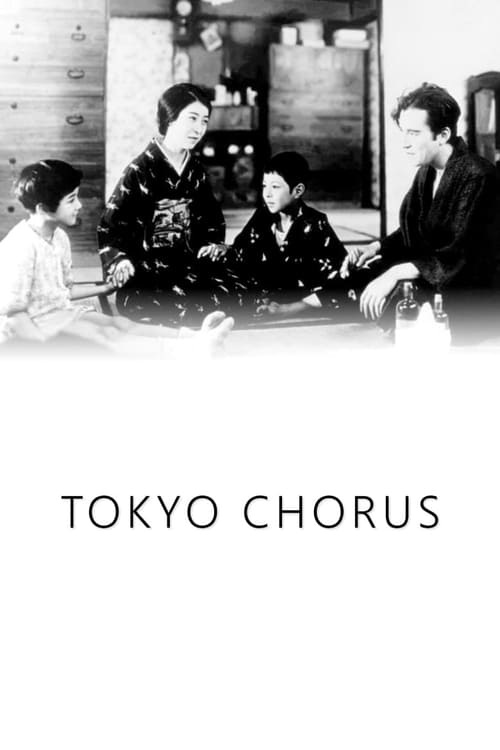
Tokyo Chorus
1931
No user ratings available yet
Representation score: 2.3 out of 10
Representation Score
Minimal
1932
Not RatedDirector
Yasujirō Ozu
Runtime
91 minutes
Average Rating
No ratings yetNew Showbiz Analysis
Ozu’s work serves as a sophisticated social critique rather than a study in modern identity politics. While the film lacks representation for LGBTQ+ identities, diverse racial backgrounds, or significant women's ability to drive the story, it stands strong in its cultural depth and its ability to frame modernization as a site of conflict. The narrative uses the disillusionment of two brothers to challenge the sanctity of professional and familial hierarchies. By highlighting the indignity of the father's subservience, the film critiques the transition into a modern, capitalist society. Ultimately, the film's value lies in its cultural depth and its ability to highlight the tension between tradition and modernity.
Category Breakdown
The film focuses on the domestic and social hierarchies of 1930s Tokyo without depicting any non-straight relationships or queer subtext.
The movie centers on a patriarchal family and male-dominated office environments, reinforcing traditional roles without giving women significant control over the story.
The film portrays a homogeneous Japanese middle-class setting with no evidence of diverse racial backgrounds or non-Anglo-Saxon majority casting.
The film excels in critiquing established institutions and social hierarchies, offering a skeptical view of rapid modernization and urban pressures.
There are no prominent depictions of physical or neurodivergent disabilities used as central narrative drivers.
Present on Screen
Limited or Absent
Official Synopsis
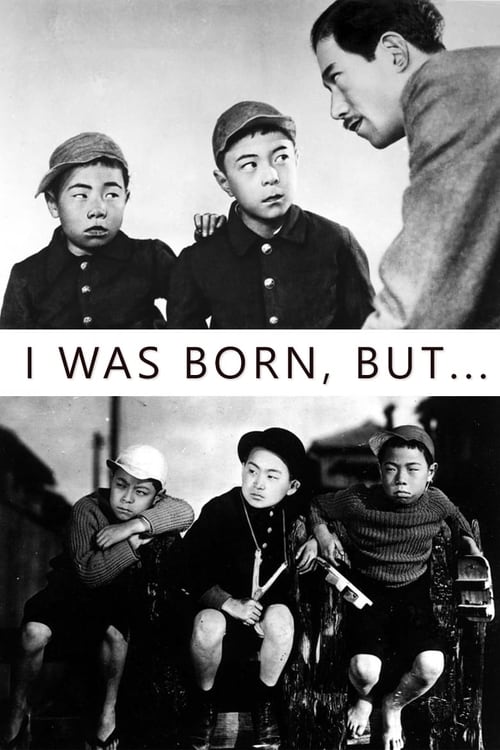
Brothers Keiji and Ryoichi move to a new neighborhood in the Tokyo suburbs after their father, an office clerk, is promoted. The boys join the local gang as lowly new kids and emerge as natural leaders after defeating a bully. While visiting the home of their father's boss, the brothers witness the ridicule their father endures to please his superior. Angry and embarrassed, the boys find their naive ideas about power being challenged.
1931
1933
1952
1959

1933
1937

2006

2002
No reviews yet. Be the first to share your thoughts on this movie!
Use the rating form above to leave a star rating and optional review.