The Jester
1937
No user ratings available yet
Representation score: 4.2 out of 10
Representation Score
Minimal
1938
Not RatedDirector
Marcel Pagnol
Runtime
133 minutes
Average Rating
No ratings yetNew Showbiz Analysis
Marcel Pagnol’s work is a naturalist character study rooted in the demographic realities of early 20th-century rural France. The film prioritizes the lived experiences of the working class and the disruption of domestic stability over the advancement of diverse identities. While the film subtly deconstructs the myth of the infallible patriarchal provider through Aimable's vulnerability, it remains culturally and racially homogenous. The narrative architecture is built around traditional social structures and communal surveillance. Ultimately, the film functions as a study of human frailty within a specific socioeconomic framework, lacking the diversity required by contemporary standards.
Category Breakdown
The film focuses on traditional heterosexual relationships and marital infidelity. There are no queer identities or subtext in this Provencal setting.
The story challenges the stereotype of the stoic provider by showing his total collapse. However, women's roles are limited to impulsive actions rather than structural empowerment.
The cast depicts a homogenous white, working-class community. This reflects the specific historical and geographical context of 1930s rural France.
The narrative centers on communal morality and social cohesion within a tight-knit village. It explores interpersonal passion within a traditional agrarian economy.
No physical or neurodivergent disabilities serve as central character traits or drive the narrative forward.
Present on Screen
Limited or Absent
Official Synopsis
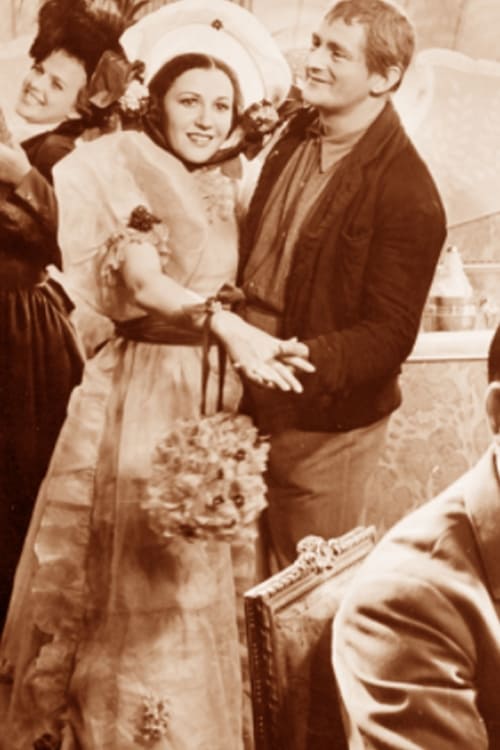
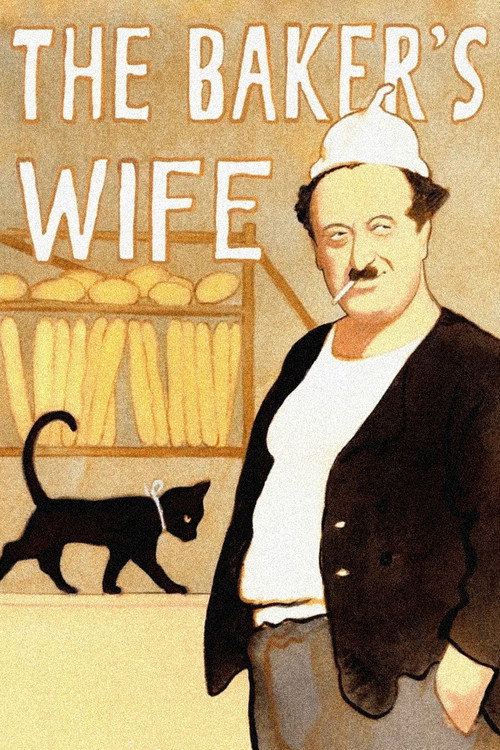
In this little Provencal village, a new baker, Aimable, settles down. His wife Aurelie is beautiful and much younger than he. She departs with a shepherd the night after Aimable produces his first breads. Aimable is so afflicted that he can not work anymore. Therefore, the villagers, who initially laughed at his cuckoldry, take the matter very seriously (they want the bread) and organize a plan to find Aurelie and to bring her back to the bakery.
1937

1934
1928

2005

1932

1921

1936

1955
No reviews yet. Be the first to share your thoughts on this movie!
Use the rating form above to leave a star rating and optional review.