
That Way with Women
1947
No user ratings available yet
Diversity score: 1.4 out of 10

1948
NRDirector
Frederick de Cordova
Runtime
90 minutes
Average Rating
No ratings yetSynopsis
Young girl gets a job at the White House as a switchboard operator and gets mixed up in politics.
Overall Score
Limited
Category Breakdown
LGBTQ+ Representation
The film lacks any presence of non-heteronormative identities. The romantic plot focuses entirely on traditional courtship within a standard heteronormative framework.
Gender Representation
Mary occupies a professional role as a switchboard operator, yet her agency remains secondary to male-driven plot developments. The story reinforces post-war gender tropes rather than subverting them.
Racial & Ethnic Diversity
The cast appears homogeneous, reflecting the era's focus on Anglo-Saxon social norms. There is no evidence of intersectional casting or diverse ethnic perspectives.
Religious & Cultural Diversity
The narrative reinforces Western institutional stability and patriotic values. It portrays the White House through a lighthearted lens without offering any systemic critique.
Disability Representation
There are no visible or invisible depictions of disability within the narrative.
Strengths
Areas for Improvement
AI Analysis
For the Love of Mary is a quintessential mid-century romantic comedy that prioritizes escapism over social complexity. It functions as a period piece that reinforces the established social hierarchies and traditional romantic archetypes of 1948. The film adheres strictly to the era's conventions, presenting a world defined by conventional social structures. It lacks intentionality regarding intersectional representation, focusing instead on lighthearted political misunderstandings. Ultimately, the work serves as a standard example of mid-century cinema, offering stability and traditionalism rather than any meaningful subversion of gender, race, or institutional norms.
1947
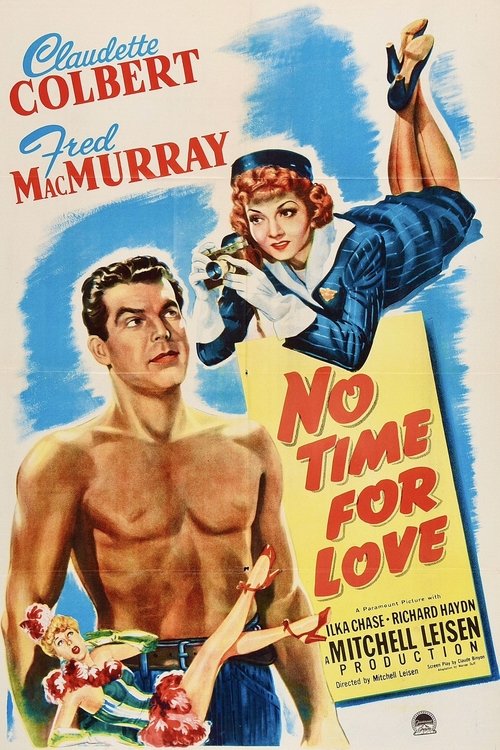
1943
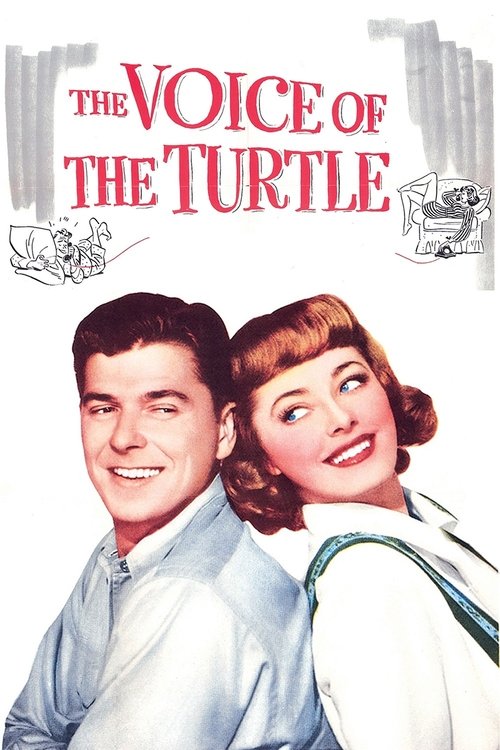
1947
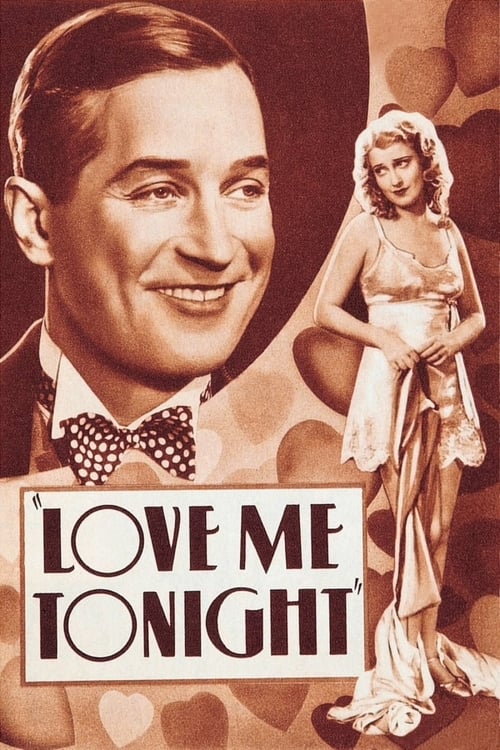
1932
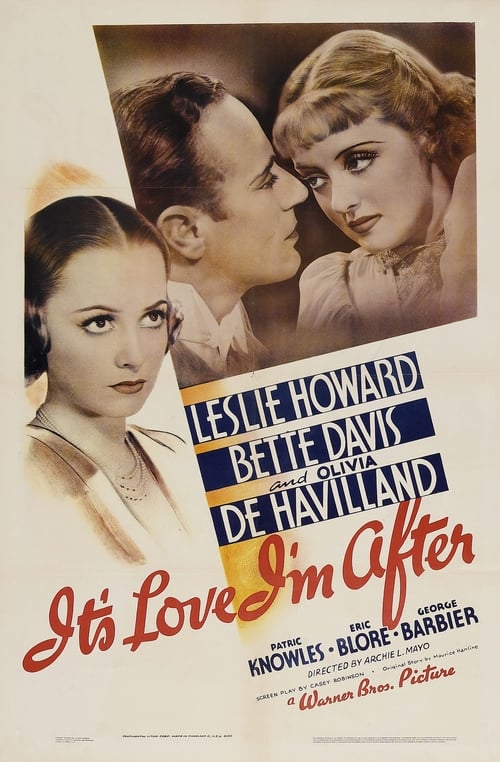
1937

1929
1935

1931
1951
1932
1963
1942
No reviews yet. Be the first to share your thoughts on this movie!
Use the rating form above to leave a star rating and optional review.