Bluebeard's 8th Wife
1938
No user ratings available yet
Diversity score: 2.2 out of 10
1938
NRDirector
Garson Kanin
Runtime
65 minutes
Average Rating
No ratings yetSynopsis
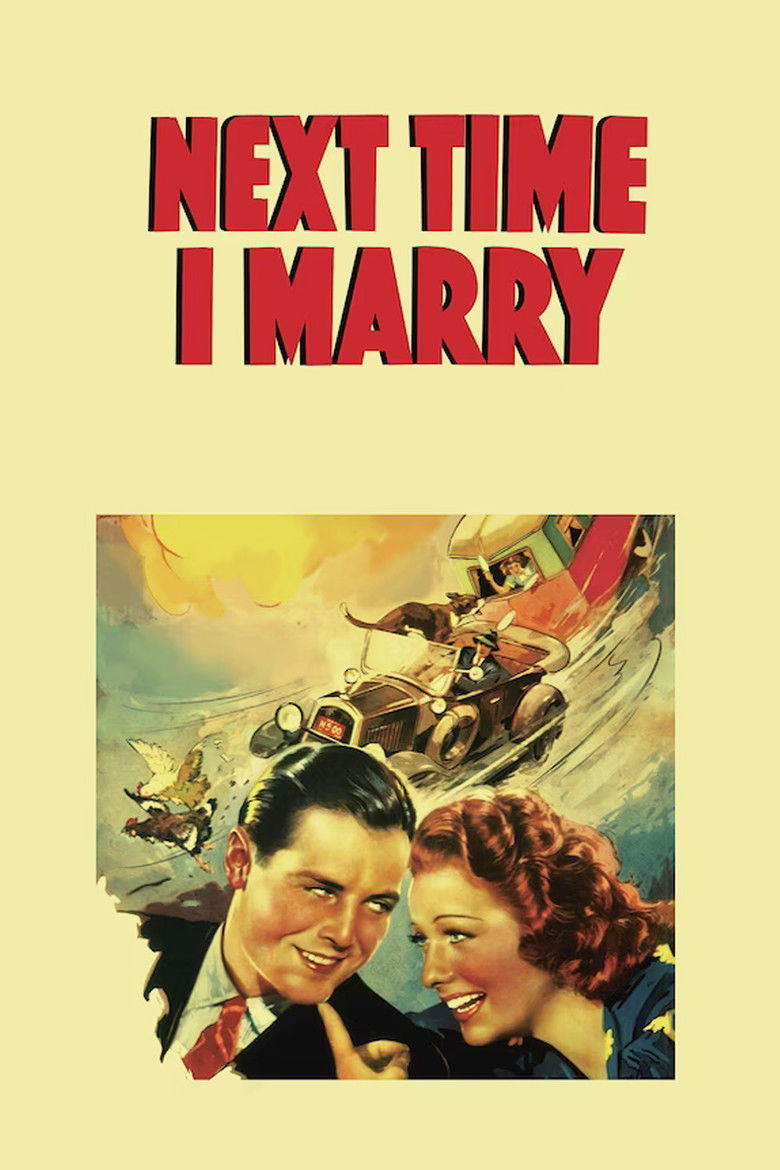
Heiress Nancy Crocker Fleming will only receive her inheritance if she marries a "plain American." Her late father was afraid a foreign gigolo would steal her heart and money. So Nancy pays Tony Anthony, working on a WPA road project, to marry, then divorce her. When Nancy inadvertently drives off with Tony's dog, Tony seemingly kidnaps her to retrieve the pooch, which leads to a cross-country race between the two to reach Reno and the divorce court since neither one wants to be the second to file papers.
Overall Score
Limited
Category Breakdown
LGBTQ+ Representation
The film follows a strictly heteronormative structure. The plot focuses entirely on the romantic tension and eventual union between the male and female leads.
Gender Representation
Nancy Crocker Fleming displays significant agency by initiating the marriage scheme to secure her inheritance. This disrupts the era's typical passive heiress archetype through intellectual parity.
Racial & Ethnic Diversity
The cast is highly homogeneous, focusing on white, upper-class characters. The story lacks meaningful racial blending or characters of color with agency.
Religious & Cultural Diversity
The narrative operates within a traditional Western framework centered on inheritance and legal marriage. It uses class friction as a comedic device rather than a systemic critique.
Disability Representation
No visible or invisible disabilities are portrayed. The characters are presented as able-bodied, with no exploration of neurodivergence or physical impairment.
Strengths
Areas for Improvement
AI Analysis
Next Time I Marry is a quintessential screwball comedy that prioritizes genre tropes over intersectional representation. While it offers a refreshing level of female agency for 1938, it remains deeply rooted in the social hierarchies of its time. The film's strength lies in its subversion of gender roles through its female lead. However, this progress is offset by a lack of racial, cultural, and LGBTQ+ diversity, resulting in a very narrow social lens. Ultimately, the film uses class distinctions between an heiress and a WPA worker for comedic effect rather than to challenge the status quo.
1938
1932

1937

1936
1936

1938
1936
1944

1936

1950
1935
1941
No reviews yet. Be the first to share your thoughts on this movie!
Use the rating form above to leave a star rating and optional review.