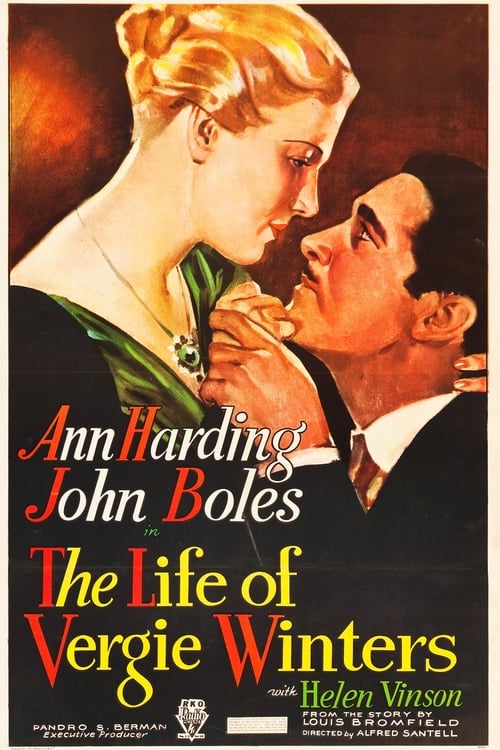
The Life of Vergie Winters
1934
No user ratings available yet
Representation score: 1.8 out of 10

Representation Score
Minimal
1934
NRDirector
William Dieterle
Runtime
64 minutes
Average Rating
No ratings yetNew Showbiz Analysis
The Secret Bride is a period drama that adheres strictly to the conventional social and political frameworks of the 1930s. The narrative centers on a traditional romance and the preservation of institutional integrity. While the female lead demonstrates moral decision-making, her character remains tied to patriarchal structures. The film lacks significant representation of diverse racial, ethnic, or LGBTQ+ identities, reflecting the era's standard studio demographics. Ultimately, the film functions as a study of legalistic morality and political reputation, operating entirely within established Western social hierarchies.
Category Breakdown
The story centers on a romance between Ruth Vincent and Robert Sheldon, which follows traditional heterosexual norms. There is no evidence of LGBTQ+ identities or narratives that challenge traditional social structures.
Ruth Vincent has moral decision-making in the central conflict, but her identity is heavily defined by her status as a governor's daughter within patriarchal political hierarchies.
The film focuses on Western political intrigue and state governance, reflecting the homogeneous demographic norms typical of 1930s studio productions.
The plot explores political corruption and institutional morality, operating within traditional Western values, focusing on the preservation of legal systems and political careers.
The narrative contains no mention of characters with visible or invisible disabilities.
Present on Screen
Limited or Absent
Official Synopsis
Before Ruth Vincent, daughter of a state governor, and state attorney general Robert Sheldon can announce their marriage, the governor is accused of bribe-taking. To avoid the appearance of a conflict of interest, they decide to keep their marriage secret. The political intrigue becomes more involved, and no one is quite what they seem. Soon Sheldon and Ruth must decide between saving the governor's career and an innocent person's life.
1934
1933
1932
1942
1947

1946
1935
1932
No reviews yet. Be the first to share your thoughts on this movie!
Use the rating form above to leave a star rating and optional review.