Two Against the World
1932
No user ratings available yet
Diversity score: 2.7 out of 10
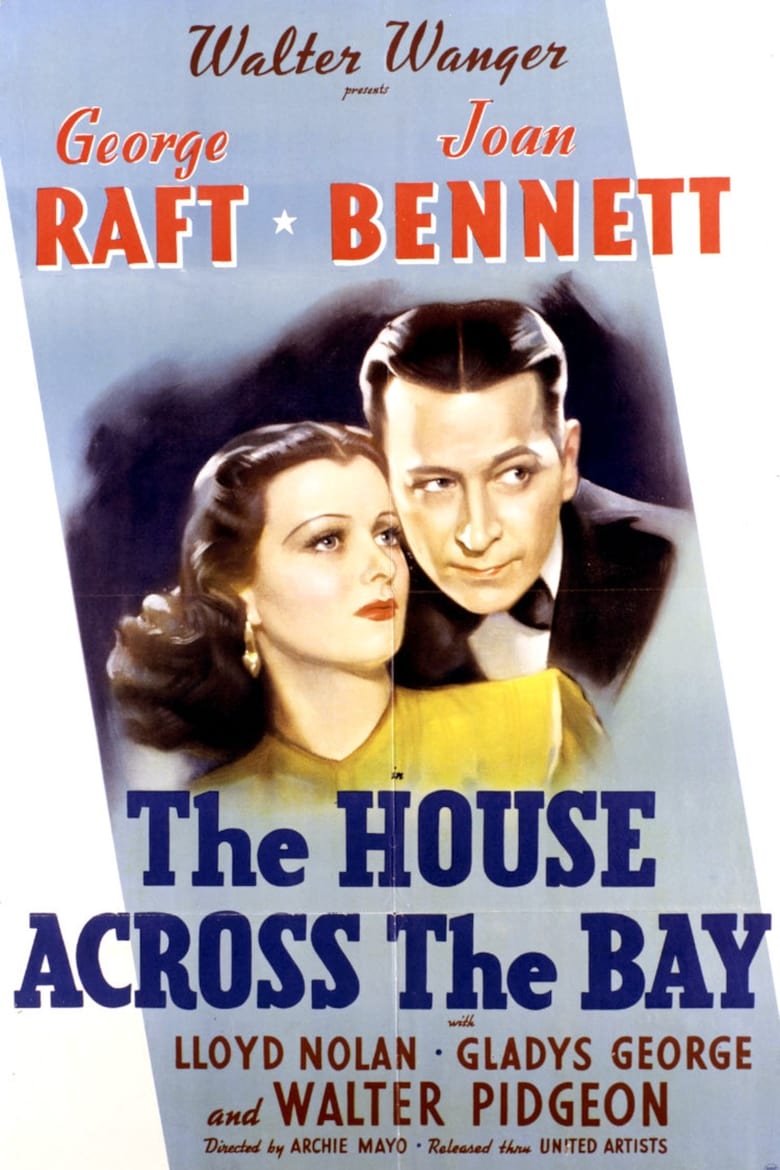
1940
NRDirector
Archie Mayo
Runtime
88 minutes
Average Rating
No ratings yetSynopsis
Nightclub owner Steve Larwitt sees his empire of investments collapse as he faces tax evasion charges and attacks by rivals. Believing Steve will be safer in prison for one year, his wife, Brenda, testifies against him on advice from his lawyer, Slant Kolma, who is in love with her. After Steve receives 10 years in Alcatraz, Brenda moves to be near him and avoids advances of airplane builder Tim Nolan, who knows nothing about her past.
Overall Score
Limited
Category Breakdown
LGBTQ+ Representation
The film lacks any discernible LGBTQ+ characters or non-heteronormative narratives. Romantic tension is strictly centered on heterosexual dynamics, specifically the marital bond and subsequent pursuit by Tim Nolan.
Gender Representation
Brenda demonstrates agency by testifying against her husband and managing her own life. However, male characters hold primary power, and her motivations remain framed through devotion to her husband.
Racial & Ethnic Diversity
The cast and setting reflect the demographic homogeneity of 1940s Hollywood. There is no evidence of a multi-ethnic cast or engagement with racial identity within the narrative.
Religious & Cultural Diversity
The story adheres to traditional Western moral frameworks and emphasizes the sanctity of marriage. It critiques individual greed through a corrupt lawyer rather than deconstructing systemic institutions.
Disability Representation
There is no documented presence of characters with visible or invisible disabilities in the film's narrative or historical record.
Strengths
Areas for Improvement
AI Analysis
The film is a quintessential product of the 1940s studio system, prioritizing crime drama conventions over social critique. It operates within a narrow demographic framework that lacks intersectional representation. While the female lead, Brenda, exercises significant decision-making power, the narrative remains anchored in traditional gender roles and moral hierarchies. The story focuses on individual morality and the consequences of criminal enterprise. Ultimately, the film reinforces the social structures of its era, offering a homogeneous view of class and criminality without addressing racial, ethnic, or LGBTQ+ identities.
1932
1933
1932
1939

1933

1932
1939
1936
1948
1934
1944
1932
No reviews yet. Be the first to share your thoughts on this movie!
Use the rating form above to leave a star rating and optional review.