
A Woman at Her Window
1976
No user ratings available yet
Diversity score: 3.3 out of 10

1974
Director
Pierre Granier-Deferre
Runtime
88 minutes
Average Rating
No ratings yetSynopsis
Julien Dandieu, leader of the socialist political party PRU is asked to be part of the new conservative government as minister of foreign affairs. However his reputation is somewhat tarnished by his adulterous relationship with Creezy, a fashion model seen on every magazine cover. Ready to sacrifice his family for his career, he is eventually faced with the ultimate choice: his career ambitions or a lifetime with his beautiful girlfriend, who has recently mysteriously disappeared.
Overall Score
Limited
Category Breakdown
LGBTQ+ Representation
The film lacks LGBTQ+ characters or themes. The central conflict relies on a traditional adulterous affair, reinforcing conventional romantic and gendered dynamics.
Gender Representation
Creezy possesses cultural capital as a fashion icon, yet her agency is tied to her role as an object of desire. The narrative prioritizes the male protagonist's struggle with patriarchal responsibilities.
Racial & Ethnic Diversity
The story focuses on a homogenous European political and social elite. There is no evidence of significant racial or ethnic diversity within the primary character arcs.
Religious & Cultural Diversity
The film critiques political institutions and the performative nature of the ruling class. It focuses on maintaining social status rather than subverting Western institutional norms.
Disability Representation
There is no evidence of characters with visible or invisible disabilities within the narrative.
Strengths
Areas for Improvement
AI Analysis
Creezy is a character study of the friction between political institutionalism and the transient world of high fashion. The film operates within the established social and moral frameworks of 1970s European cinema, focusing on class-based dynamics and individual psychological conflict. The narrative lacks intersectional complexity, centering instead on the tension between the ruling elite and personal transgression. The protagonist's struggle highlights a traditional hierarchy where female presence serves as a disruption to male professional stability. Ultimately, the film examines the personal costs of navigating existing power structures. It prioritizes the preservation of reputation and social status over systemic deconstruction or diverse representation.
1976
1956

1961
1965
1969

1989
1934
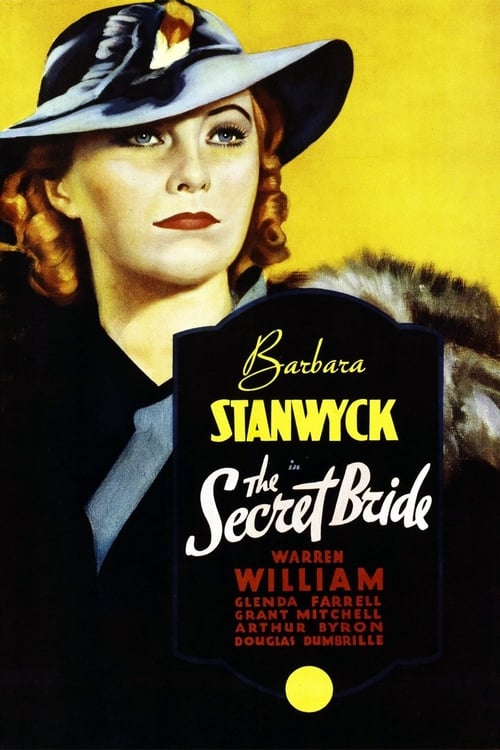
1934
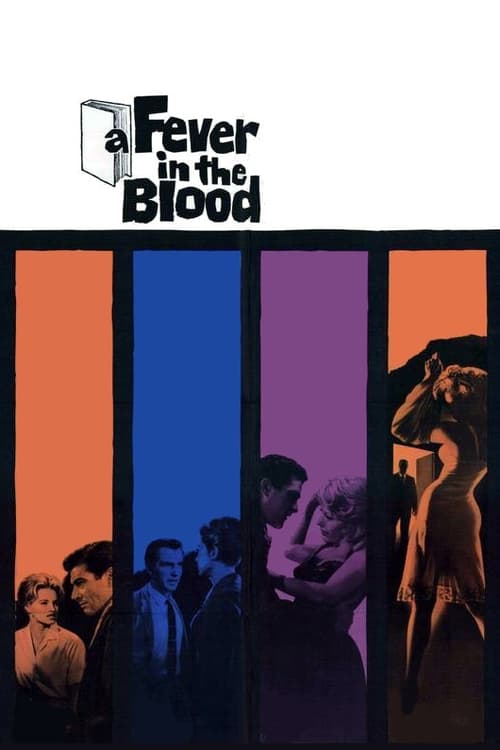
1961
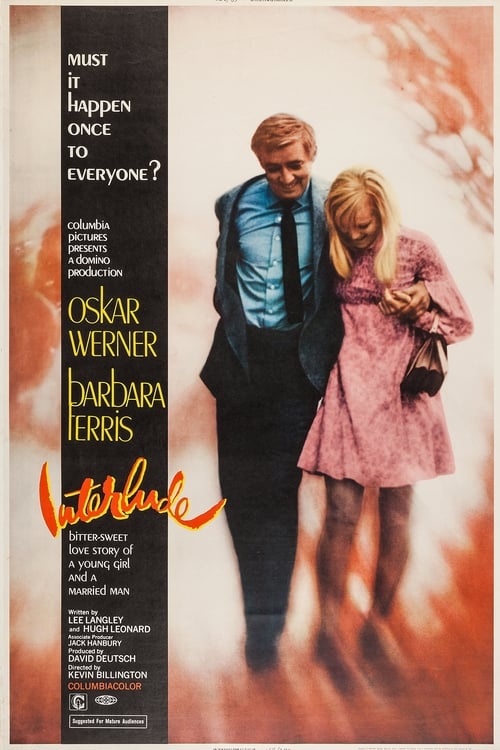
1968
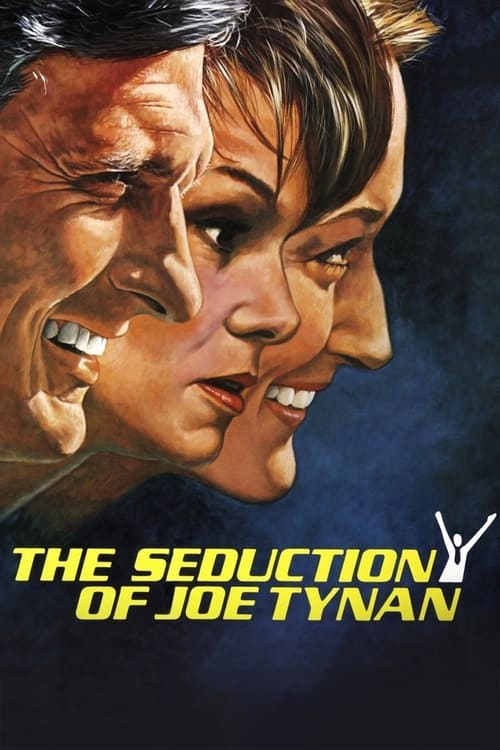
1979

1961
No reviews yet. Be the first to share your thoughts on this movie!
Use the rating form above to leave a star rating and optional review.