Gambling Ship
1938
No user ratings available yet
No diversity score available

1933
PassedDirector
Louis J. Gasnier, Max Marcin
Runtime
72 minutes
Average Rating
No ratings yetSynopsis
Tired of the dangerous life as gambling boss, Ace Corbin 'retires' from the racket and travels cross-country by train to begin a new life with a new name. On the train, he meets Eleanor and they fall in love. Eleanor is afraid to tell Ace she's a soiled dove and Ace doesn't tell Eleanor of his shady past. Old enemies won't let Ace begin his new life, and old commitments's won't free Eleanor of her sordid ties. Ace's old life and Eleanor's deception collide with the typical results. But love conquers all!
Overall Score
Limited
Category Breakdown
LGBTQ+ Representation
The film lacks any depiction of non-heteronormative identities. The story follows a standard romantic trajectory between the two central protagonists.
Gender Representation
Eleanor's agency is limited by her social reputation and sordid past. The plot reinforces traditional masculine roles through Ace's journey of reformation.
Racial & Ethnic Diversity
The narrative focuses on individual redemption without mentioning a diverse cast. It appears to reflect the homogeneous casting norms of the early 1930s.
Religious & Cultural Diversity
The story relies on a traditional moral framework where love conquers all. It emphasizes individual reform rather than systemic or institutional critique.
Disability Representation
There is no information available regarding the portrayal of physical or neurodivergent disabilities in this film.
Strengths
Areas for Improvement
AI Analysis
Gambling Ship is a conventional period melodrama that prioritizes traditional romantic tropes and moral clarity. The narrative structure reinforces established social hierarchies rather than challenging them. The film centers on a heteronormative romance and follows a standard path of individual redemption. It lacks intersectional complexity or any significant representation of diverse identities. Ultimately, the work functions as a product of its era, adhering to rigid social norms and traditional gender roles common to early studio cinema.
1938

1949
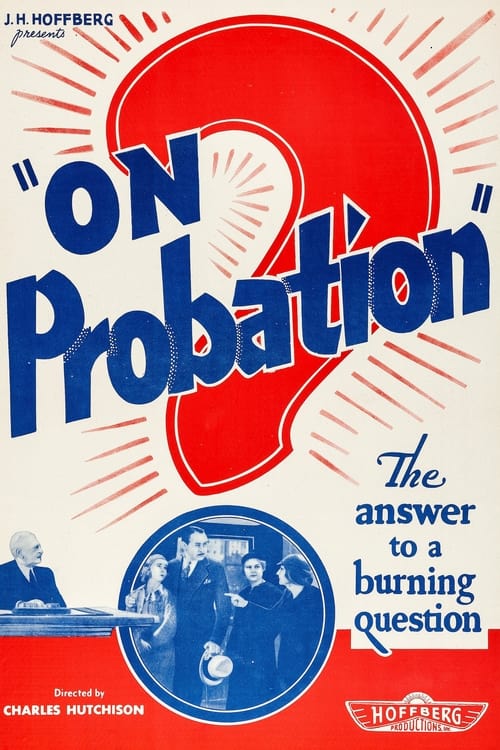
1935
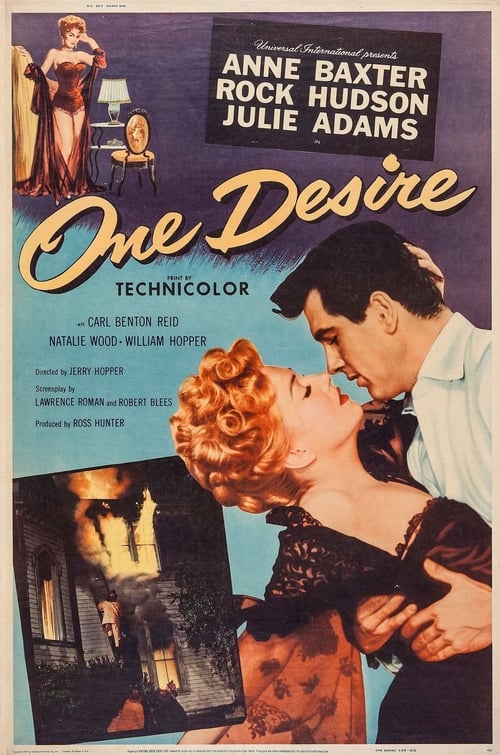
1955
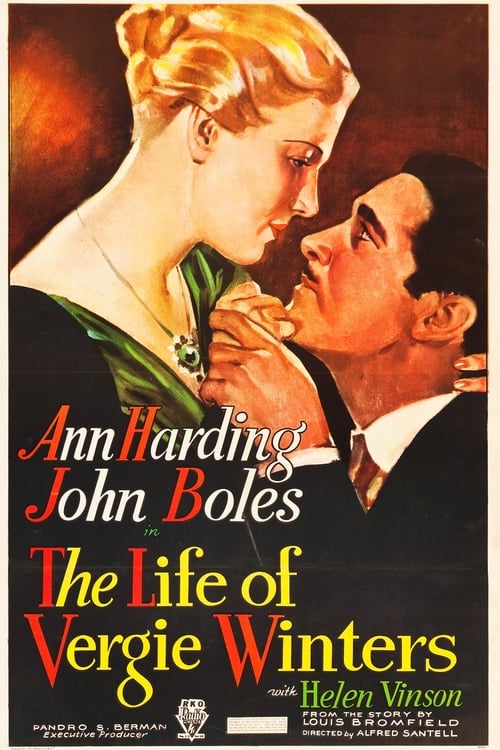
1934
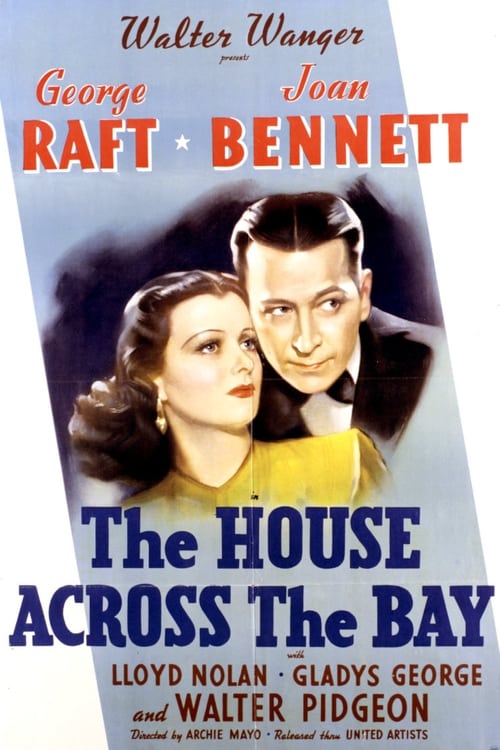
1940
1931
1934
1932
1949

1934
1933
No reviews yet. Be the first to share your thoughts on this movie!
Use the rating form above to leave a star rating and optional review.