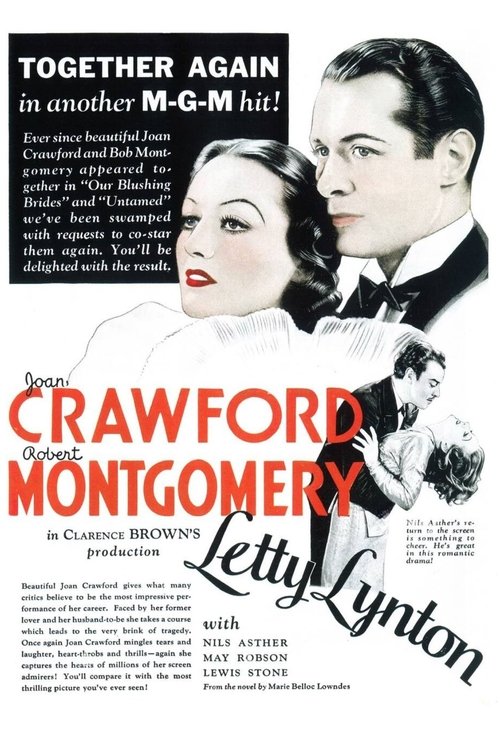
Letty Lynton
1932
No user ratings available yet
Representation score: 2.3 out of 10
Representation Score
Minimal
1933
PassedDirector
Paul Sloane
Runtime
73 minutes
Average Rating
No ratings yetNew Showbiz Analysis
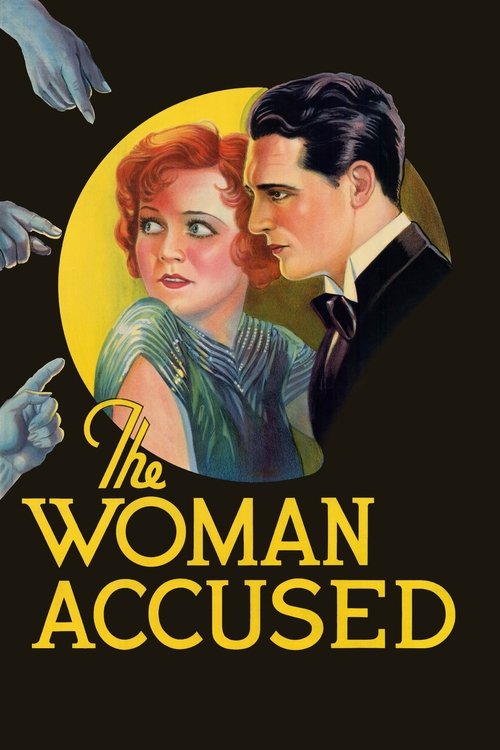
The film is a period-specific legal drama that adheres to the demographic homogeneity of 1930s cinema. While the female lead breaks some passive stereotypes, the social framework remains very narrow. The narrative reinforces established hierarchies and traditional masculine roles in the legal system. It lacks any meaningful representation of racial, ethnic, or LGBTQ+ identities. Ultimately, the film functions as a conventional thriller that prioritizes legal drama over social deconstruction or diverse perspectives.
Category Breakdown
The film focuses on a traditional heterosexual relationship between Glenda and Jeffrey. There are no depictions of same-sex relationships or non-cisgender identities.
Glenda plays a significant role by taking violent action against her former lover. However, the plot's resolution relies on male characters and legal structures to navigate her crisis.
The narrative centers on a specific social class of attorneys and travelers. There is no mention of racial or ethnic diversity within the primary cast.
The story explores situational ethics and morality through a legal lens. It ultimately reinforces the authority of Western legal institutions and the attorney class.
The synopsis contains no mention of characters with physical, sensory, or neurodevelopmental disabilities.
Present on Screen
Limited or Absent
Official Synopsis
Jeffrey and Glenda are two lovers about to embark on a three-day cruise to nowhere. Their plan is to be married on board by the ship's captain. As Glenda is packing to leave, she receives a threatening phone call from her obsessed, former lover Leo. Glenda confronts Leo and tells him that it's over. Leo, a high-powered attorney calls a hit man to have Jeffrey eliminated. Glenda knocks Leo over the head before he can give the hit man a name. Leo is dead. Glenda sneaks back into her apartment, goes off on the cruise with Jeffrey and pretends that all is swell. Leo's partner, Stephen Bessemer, suspects Glenda and follows her to the ship. Bessemer stages a mock trial aboard the ship and cleverly draws a confession from Glenda. Jeffrey, also an attorney, represents Glenda when she is arrested upon arriving on shore. A skeptical district attorney, and the fact that Jeffrey horsewhips the star witness (the hit man), combine to get Glenda completely off the hook.
1932
1937
1932

1930
1936
1944

1932
1947
No reviews yet. Be the first to share your thoughts on this movie!
Use the rating form above to leave a star rating and optional review.